Scientists have plenty of ideas about why aging impairs memory. Reductions in blood flow in the brain, shrinking brain volume, and malfunctioning neural repair systems have all been blamed. Now, new research in mice points to another possible culprit: microbes in the gut.
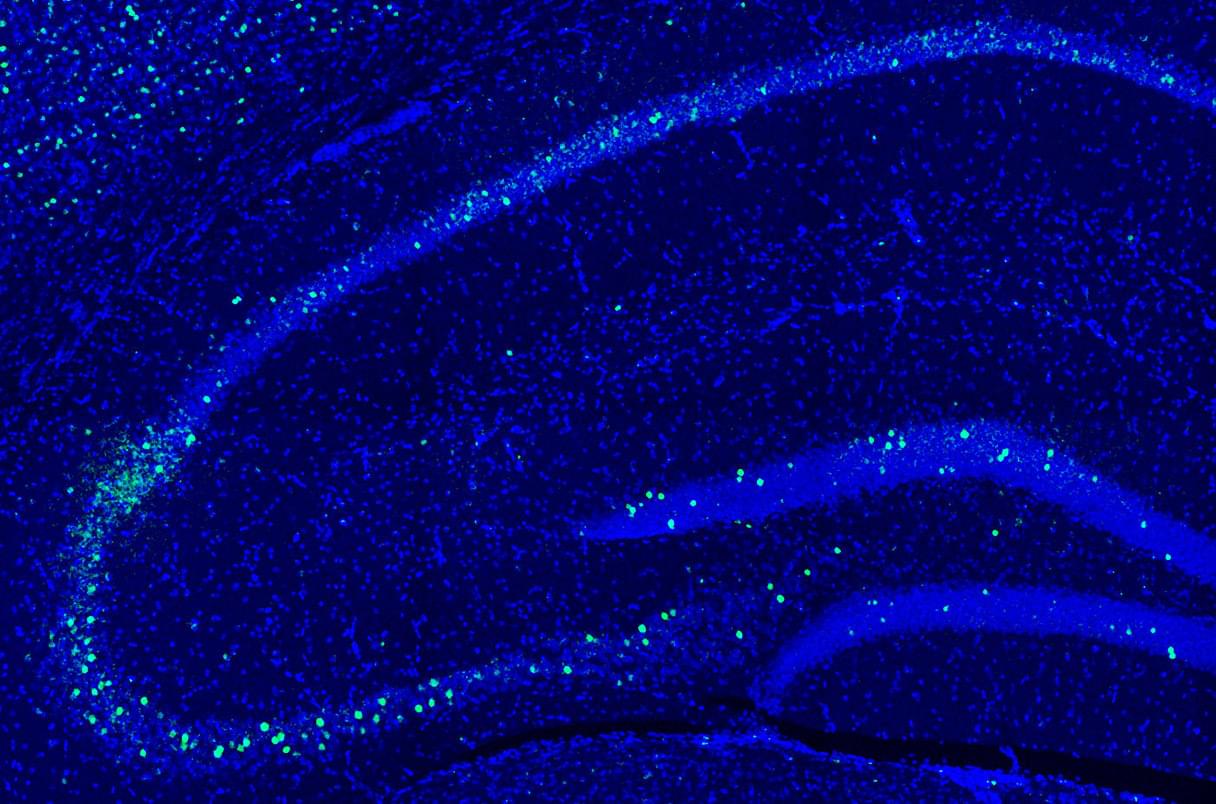
In a new study, scientists show how a bacterium that is particularly common in older animals can drive memory loss. This microbe makes compounds that impair signaling along neurons connecting the gut with the brain, dampening activity in brain regions associated with learning and memory, the team found.
Research suggests the microbiome may contribute to cognitive decline—but its relevance in humans is unclear.