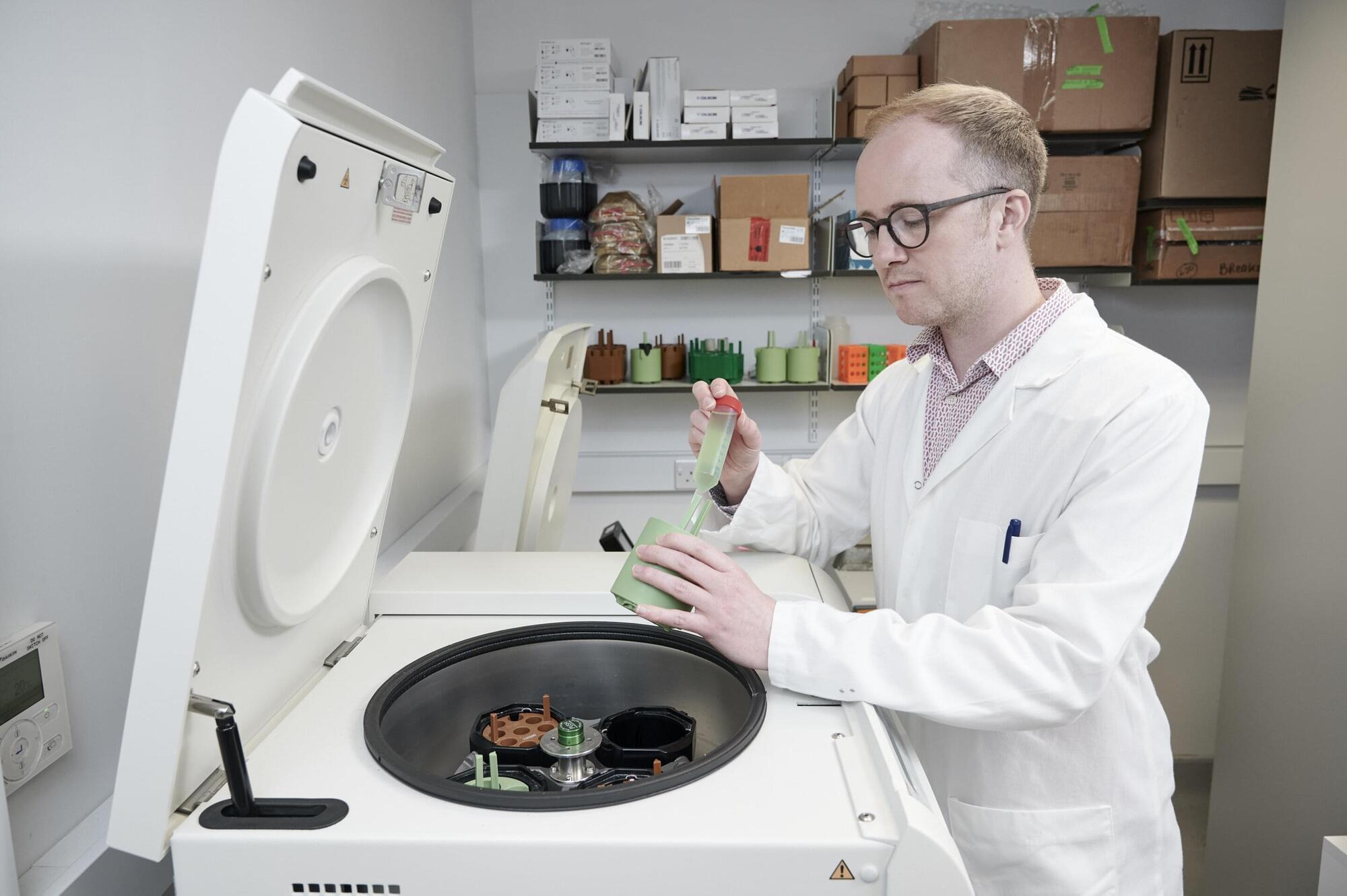
A drug to treat Parkinson’s disease can be made from waste plastic bottles using a pioneering method, a study shows. The approach harnesses the power of bacteria to transform post-consumer plastic into L-DOPA, a frontline medication for the neurological disorder. It is the first time a natural, biological process has been engineered to turn plastic waste into a therapeutic for a neurological disease, researchers say.
Scientists at the University of Edinburgh engineered E. coli bacteria to turn a type of plastic used widely in food and drink packaging—polyethylene terephthalate, or PET—into L-DOPA. The process involves first breaking down PET waste—some 50 million tonnes of which are produced annually—into chemical building blocks of terephthalic acid. Molecules of terephthalic acid are then transformed into L-DOPA by the engineered bacteria through a series of biological reactions.
Using the new technique to produce L-DOPA is more sustainable than traditional methods of making pharmaceuticals, which rely on the use of finite fossil fuels, the team says.