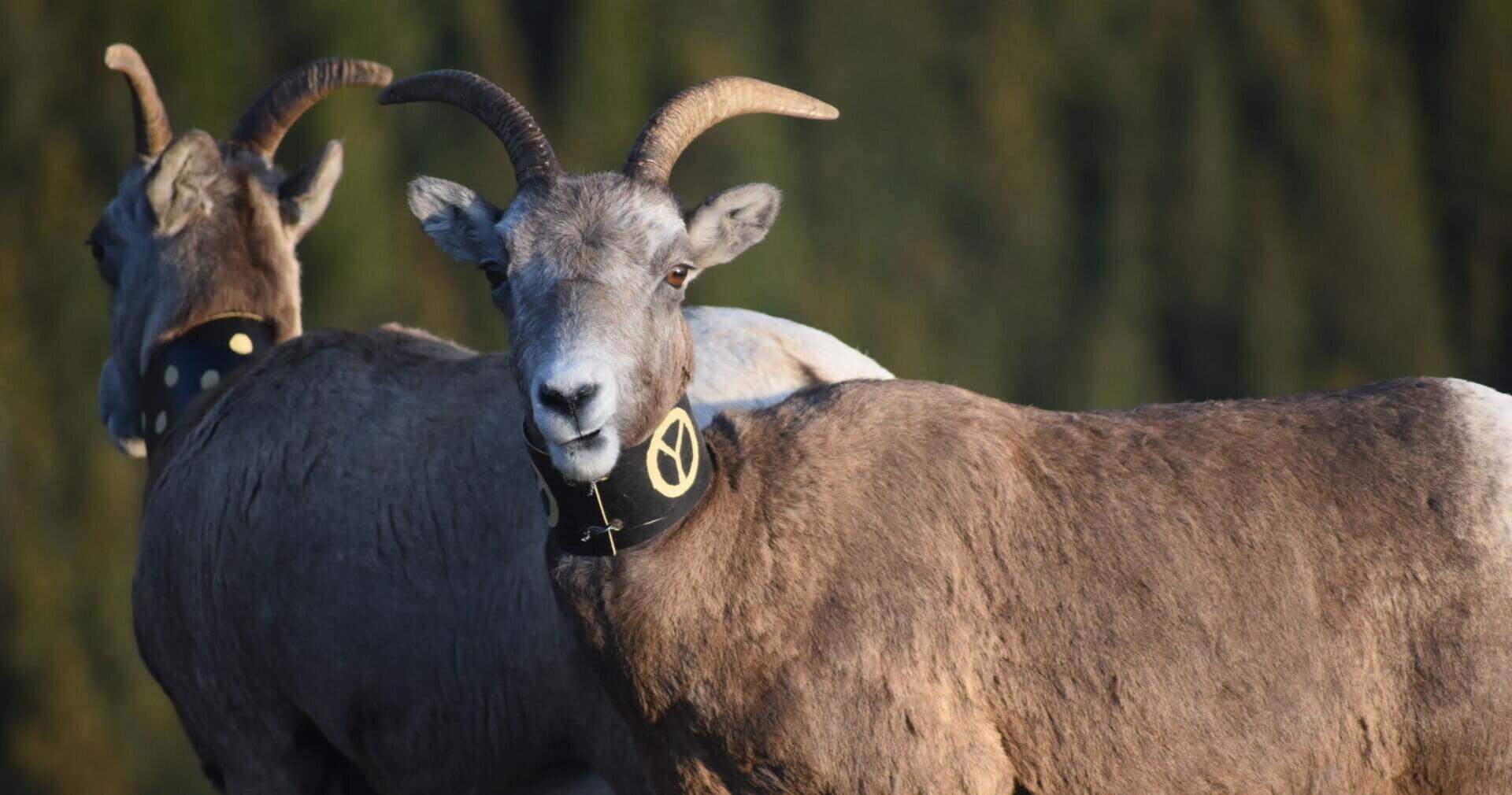
Wildlife populations that become small and isolated, often due to habitat loss, inevitably experience inbreeding which can lead to the loss of fitness and eventual extinction. One solution is to perform a genetic rescue: a management intervention where new blood is brought in by introducing outsiders to a population to reduce inbreeding and restore diversity. But how do researchers know the inbreeding problem has been solved?
A new long-term study from Western, led by biology professor and chair David Coltman, shows DNA-based tools detected changes in inbreeding more accurately than traditional pedigree methods in a wild population of bighorn sheep that was recently genetically rescued. The study was published in the journal Evolutionary Applications.
Pedigree approaches estimate genetic health from family history, whereas genomic approaches directly analyze DNA.