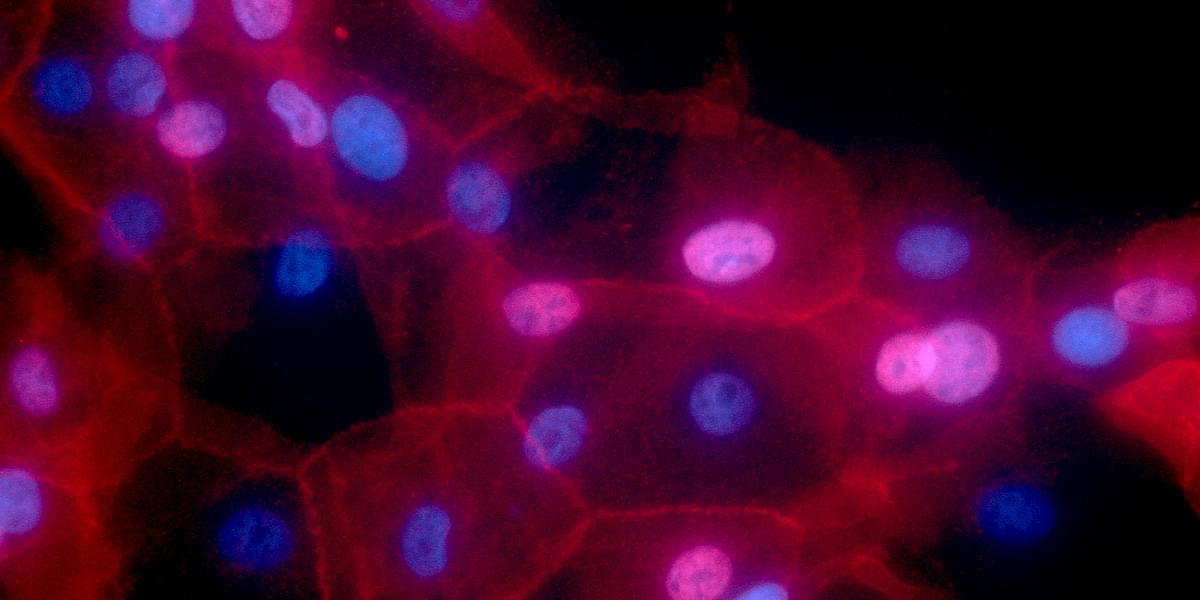
Heat shock proteins are emerging as potential targets in breast cancer research.
In Molecular & Cellular Proteomics, Tyelor Reynolds and colleagues determined that both NDNB1 and NDNB1182 display moderate selectivity for TNBC cells, and inhibition of Hsp90β using these inhibitors led to alterations in proteins associated with cell cycle functions, cell signaling pathways and DNA repair mechanisms.
➡️ Explore the findings:. ➡️ Read the paper: https://www.mcponline.org/article/S1535-9476(25)00142-2/fulltext MolCellProt BreastCancerResearch proteomics.
Researchers used a range of mass spectrometry-based techniques to identify how inhibition of select heat shock proteins impacts triple-negative breast cancer prognosis. This work unveiled isoform-specific targets on heat shock protein 90 which may be beneficial in therapeutic development.