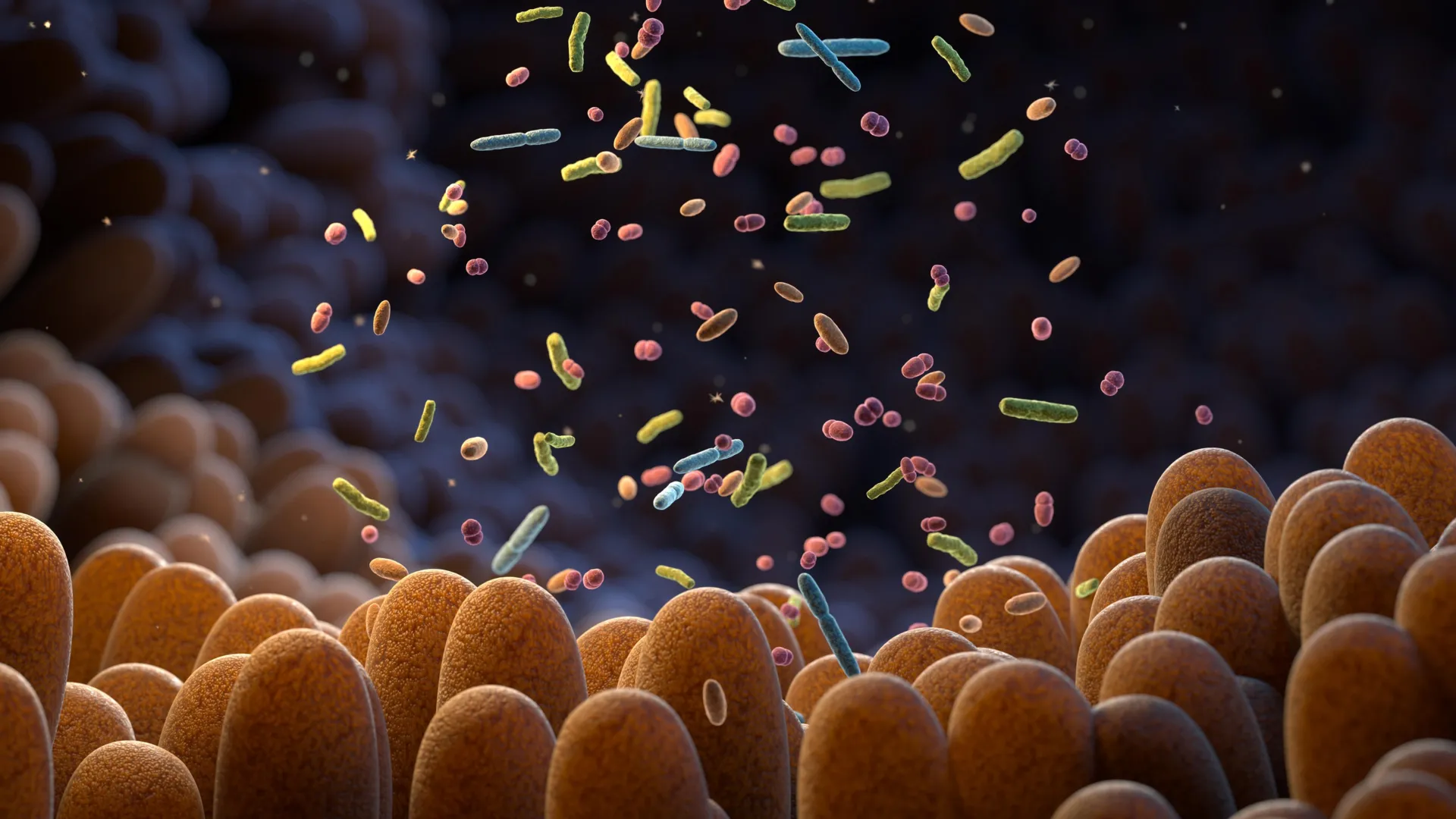
Your gut bacteria are chemical detectives—sniffing out nutrients and even feeding each other to keep your microbiome thriving. Your gut is home to trillions of bacteria that constantly “sense” their surroundings to survive and thrive. New research shows that beneficial gut microbes, especially common Clostridia bacteria, can detect a surprisingly wide range of chemical signals produced during digestion, including byproducts of fats, proteins, sugars, and even DNA. These microbes use specialized sensors to move toward valuable nutrients, with lactate and formate standing out as especially important fuel sources.
The gut microbiome, also called the gut flora, plays a vital role in human health. This enormous and constantly changing community of microorganisms is shaped by countless chemical exchanges, both among the microbes themselves and between microbes and the human body. For these interactions to work, gut bacteria must be able to detect nutrients and chemical signals around them. Despite their importance, scientists still know relatively little about the full range of signals that bacterial receptors can recognize.
A key question remains. Which chemical signals matter most to beneficial gut bacteria?