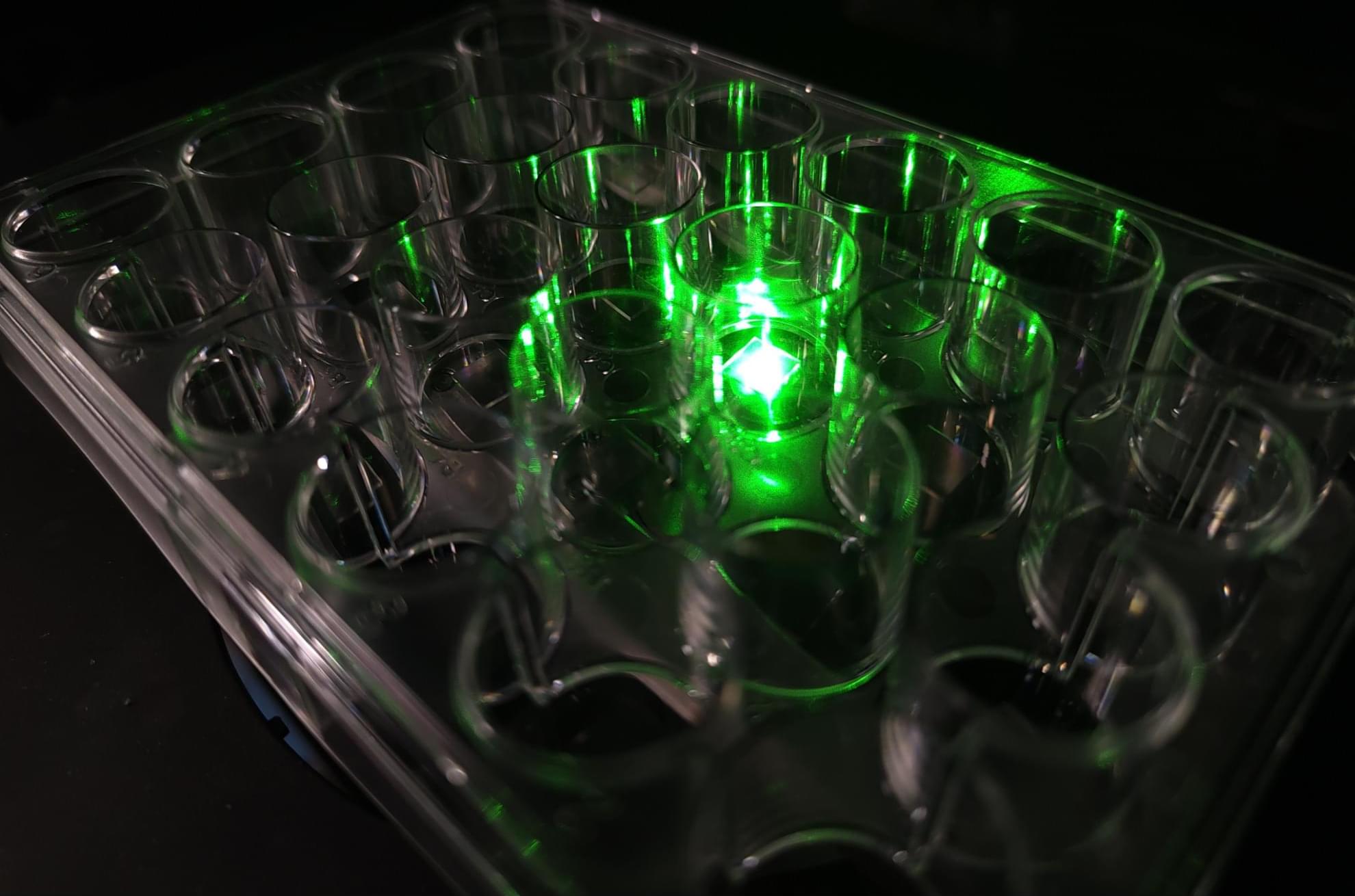
“Our system provides a pathway towards a fast, scalable tool for measuring real-time brain activity in synthetic tissue cultures that replicate human brain tissue,” Associate Professor Simpson said.
If successful, this brain-on-chip technology could help evaluate the effectiveness of treatments for neurological diseases, including Alzheimer’s, schizophrenia, epilepsy and anxiety, in the laboratory before moving into expensive and complex human trials.