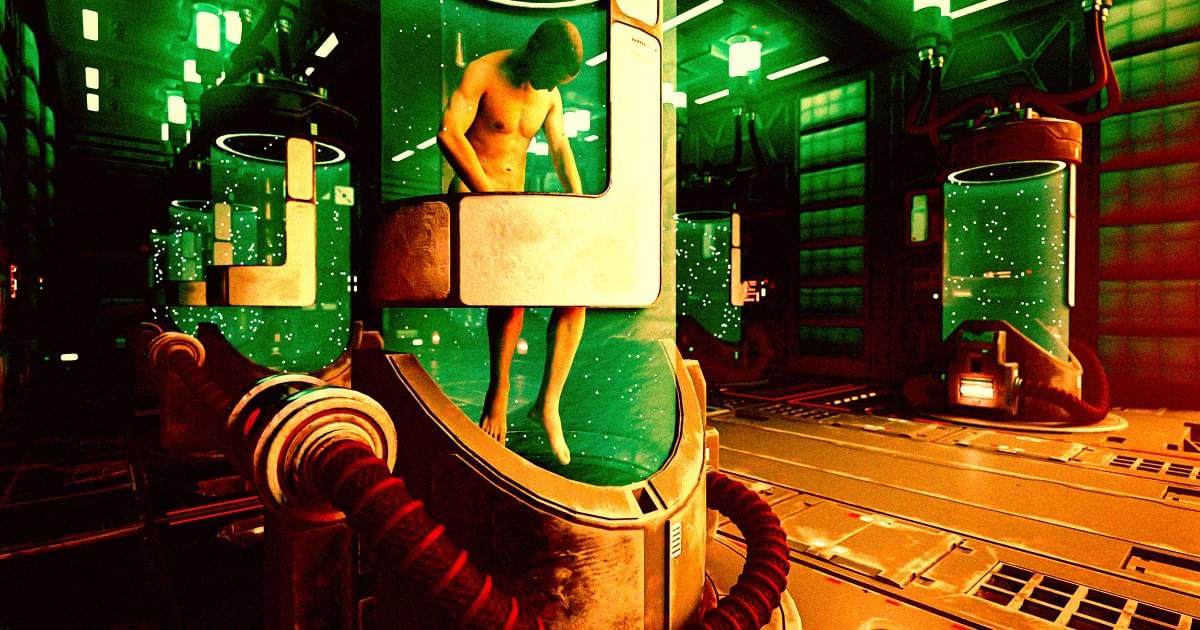
That hasn’t stopped some from exploring the idea as part of a secretive effort to realize an alternative to anti-aging tech that sounds like it was ripped straight out of a dystopian science fiction novel. A billionaire-backed stealth startup, called R3 Bio, recently announced that it was raising money to develop non-sentient monkey “organ sacks,” as Wired reported last week, an eyebrow-raising alternative to animal testing. Such structures would contain all typical organs excluding the brain, ultimately serving as a source for donor organs and tissues.
But according to a sprawling followup investigation by MIT Technology Review, R3 Bio’s founders secretly have a far more ambitious goal in mind: creating entire “brainless clones” of the human body that aging or ill individuals could one day transplant their brain into. One advantage of not developing the brain in the donor bodies, albeit a ghoulish one: such a brain-free clone would neatly circumvent certain moral conundrums over the concept.
Still, to call the idea ethically fraught would be a vast understatement. Despite an insider likening a pitch they heard from R3’s founder, John Schloendorn, to a “close encounter of the third kind” with “Dr. Strangelove” in an interview with Tech Review, the company has since distanced itself from the idea of brainless human clones.