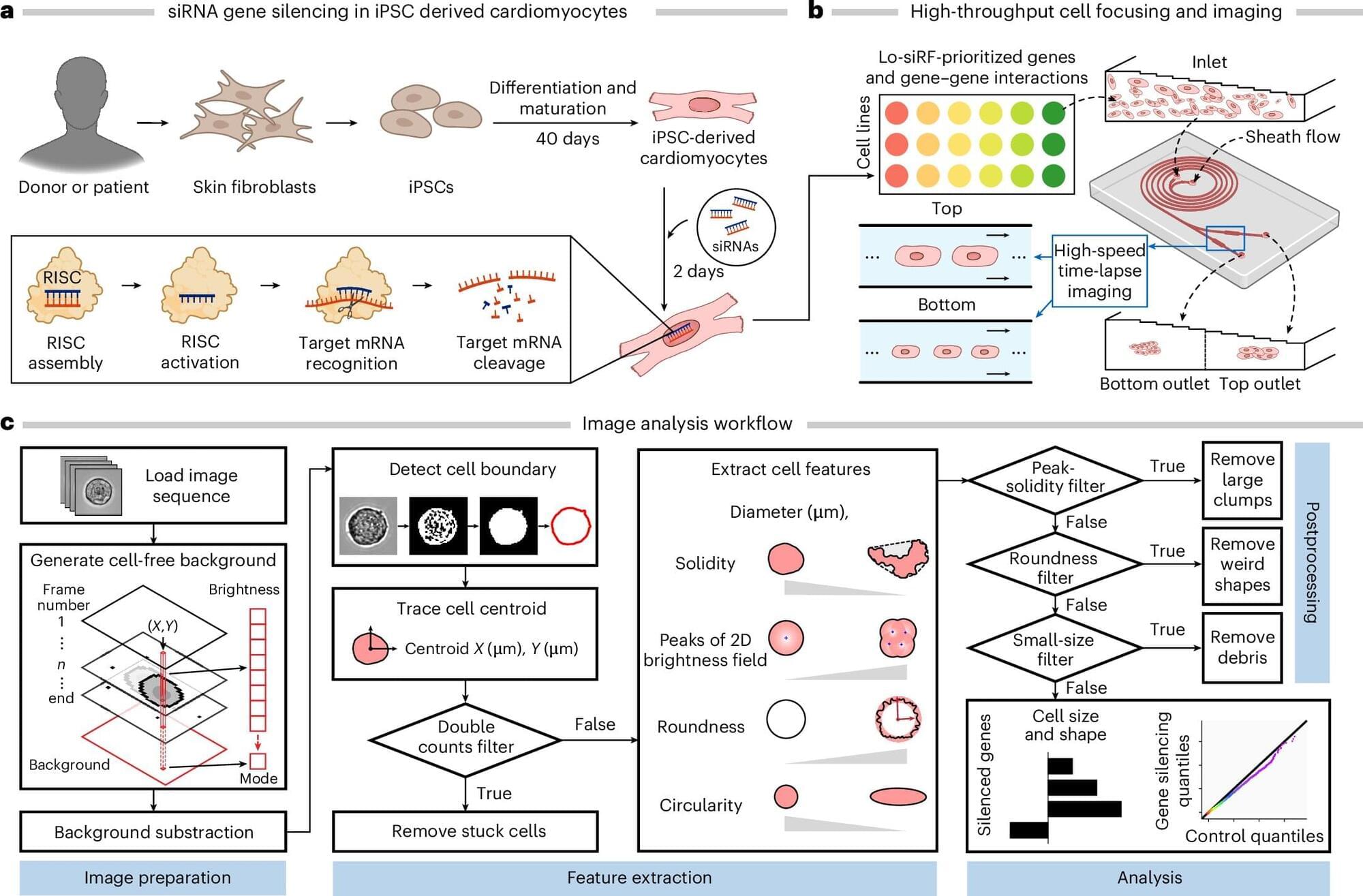
Euan Ashley’s lab explores the intricate interactions of gene variants. Tiny “typos,” or genetic mutations, can sneak into segments of DNA. Many of these are harmless, but some can cause health problems. Two or more genes can team up and change the outcome of a physical or molecular trait. This phenomenon, known as epistasis, occurs through complex interactions between genes that are functionally related—such as those that support protein creation.
Identifying these group dynamics provides crucial clues to how genetic diseases manifest and should be treated. But they’re not easily detected and often fly under the radar.
To help root out these connections, Ashley, MB ChB, DPhil, professor of genetics and of biomedical data science, and a team of scientists, including co-corresponding author Bin Yu, Ph.D., a professor of statistics and of electrical engineering and computer sciences at the University of California, Berkeley, have developed computational techniques to identify and understand the hidden ways epistasis influences inherited diseases.