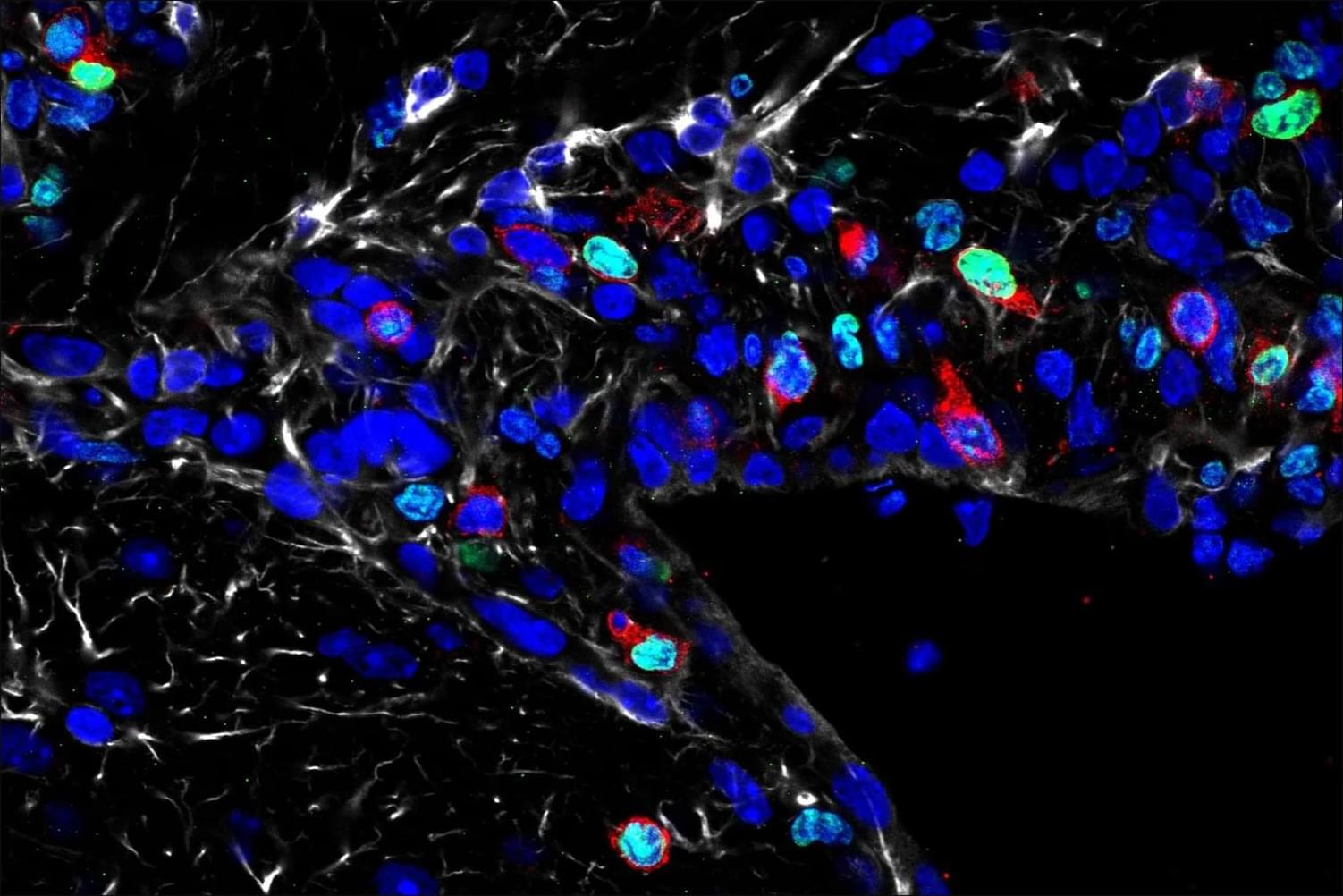
Researchers at Stanford University engineered a modified version of the immune protein interleukin-10 (IL-10) that retains only its anti-inflammatory properties while eliminating its pro-inflammatory ones. When injected into aged mice, this modified protein stimulated the growth of new neurons and improved performance on memory and learning tasks, such as maze navigation and object recognition. The study, published in Immunity, suggests that age-related cognitive decline is linked to the accumulation of exhausted T-lymphocytes in the brain, chronic inflammation, and impaired microglial function — all of which reduce neurogenesis. The findings indicate that selectively modulating immune signaling could open new avenues for treating neurodegenerative diseases. The team plans to further investigate the protein’s mechanisms and explore ways to target specific cell types more precisely to minimize potential side effects.
A modified immune protein developed by Stanford researchers points to a novel strategy for combating age-related cognitive decline.