Improvements in public health have allowed humankind to survive to older ages than ever before, but, for many people, these added golden years are not spent in good health. Aging is a natural part of life, but it is associated with a greatly increased incidence of most chronic diseases, including various cancers, diabetes, and Alzheimer’s disease.
The laboratory of Kris Burkewitz, assistant professor of cell and developmental biology, wants to figure out if there is a way to break the links between the aging process and disease so that we can stay healthy longer, allowing us to better enjoy our later years. To accomplish this goal, the Burkewitz lab focuses on how cells organize their internal compartments, or organelles, and how organelle structures can influence cellular function, metabolism, and disease risk.
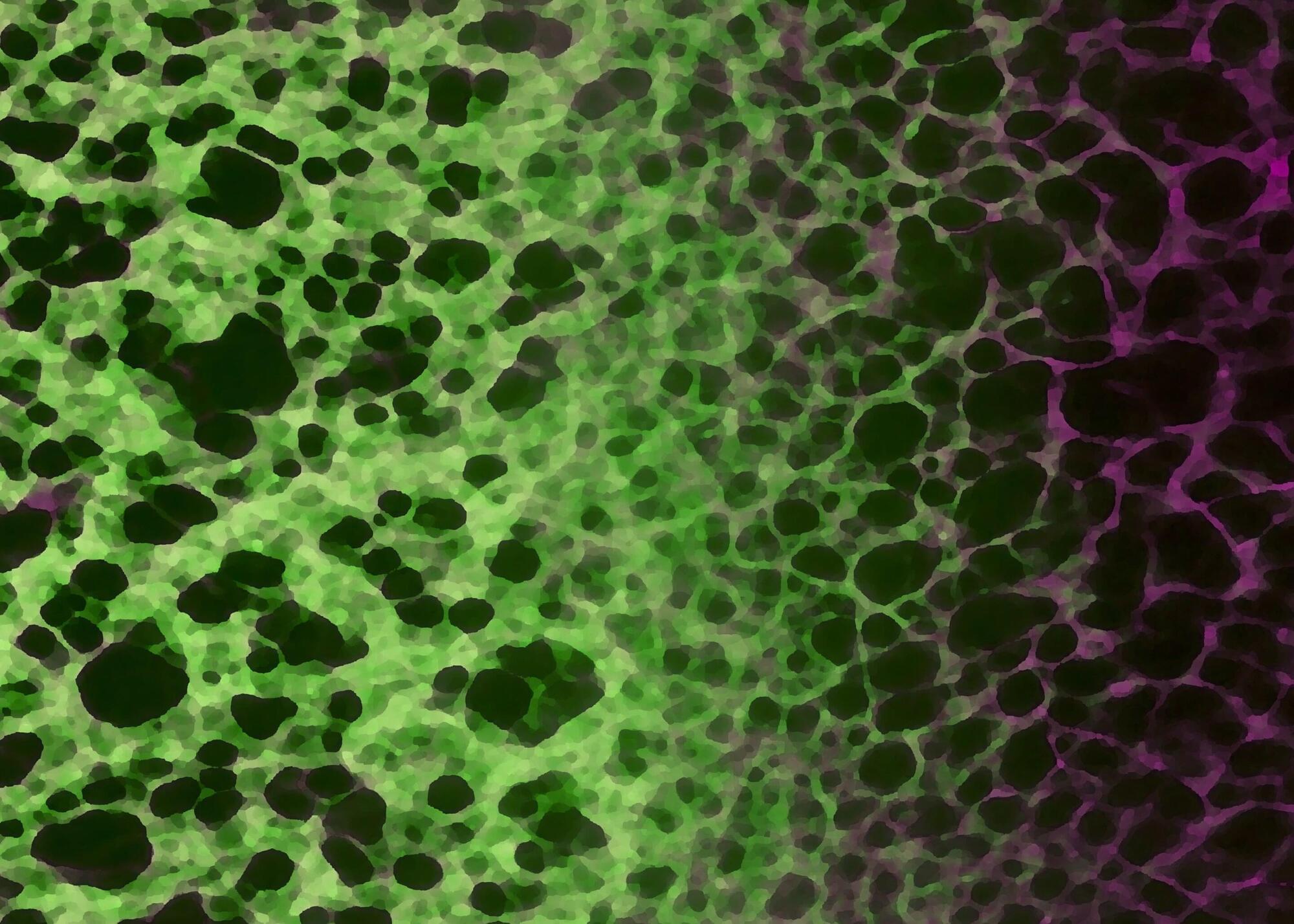
In his most recent paper, published in Nature Cell Biology, Burkewitz describes a new way by which cells adapt to the aging process: by actively remodeling the endoplasmic reticulum, one of the cell’s largest and most complex organelles. His team found that aging cells remodel their ER through a process called ER-phagy, which selectively targets specific ER subdomains for breakdown. The discovery that ER-phagy is involved in aging highlights this process as a possible drug target for age-related chronic conditions such as neurodegenerative diseases and various metabolic disease contexts.