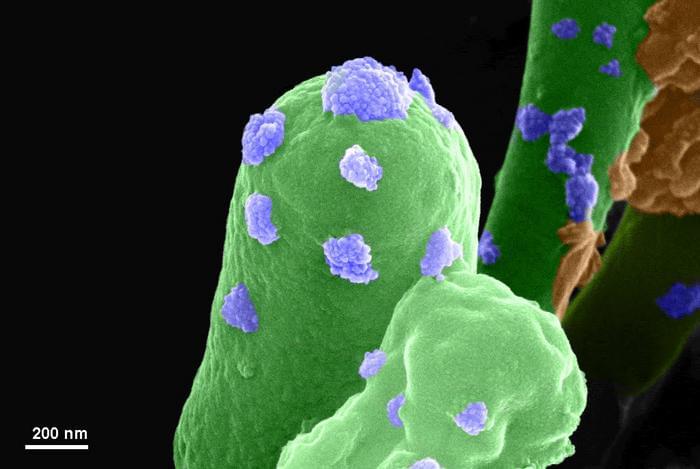
“When the effect of perchlorate on just the bacteria is studied in isolation, it is a stressful factor,” said Swati Dubey. “But in the bricks, with the right ingredients in the mixture, perchlorate is helping.”
How can engineers design bricks on Mars for future habitats despite the toxic Martian regolith, also called perchlorates? This is what a recent study published in PLOS One hopes to address as an international team of scientists investigated how bacteria can be used to construct strong bricks on Mars despite the presence of perchlorates. This study has the potential to help scientists, engineers, and future Mars astronauts develop novel methods for designing future Mars habitats.
For the study, the researchers tested perchlorates on Martians bricks built with regolith simulant and bacteria, also called biocementation, to ascertain how the perchlorates affected the integrity of the bricks, and specifically how the bacteria responded to the perchlorates. The goal of the study was to ascertain how perchlorates could influence Martian brick construction methods using bacteria, the latter of which has been explored in past studies using the soil bacterium Sporosarcina pasteurii. In the end, the researchers found that despite the perchlorates slowing the growth of the bacteria within the bricks, the process resulted in stronger bricks.