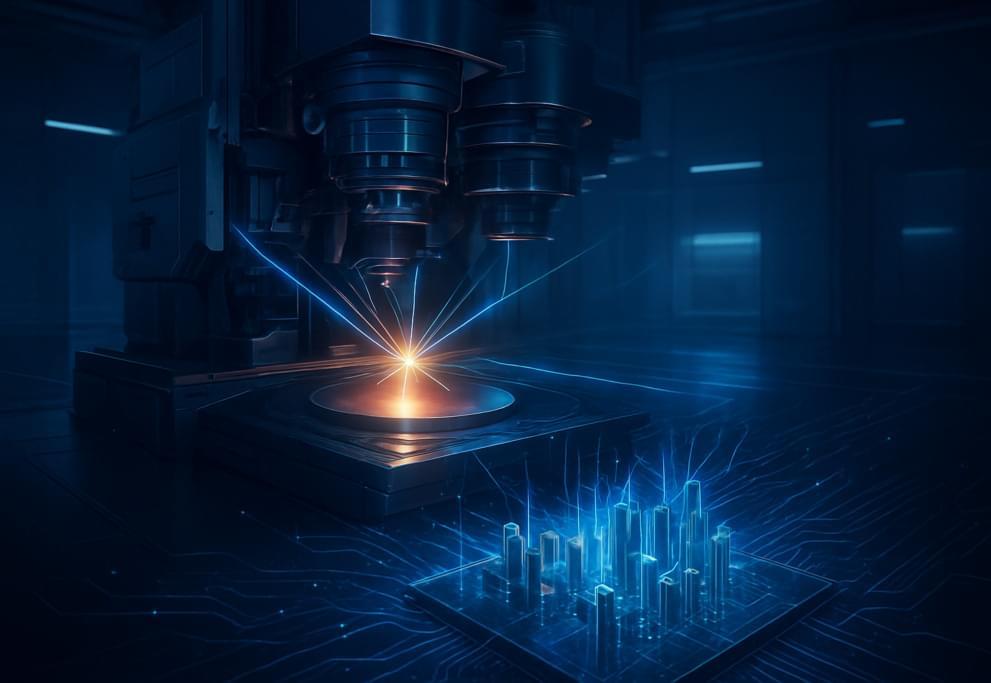
As of January 2026, the global race for semiconductor supremacy has reached a fever pitch, centered on a massive, truck-sized machine that costs more than a fleet of private jets. ASML (NASDAQ: ASML) has officially transitioned its “High-NA” (High Numerical Aperture) Extreme Ultraviolet (EUV) lithography systems into high-volume manufacturing, marking the most significant shift in silicon fabrication in over a decade. While the industry grapples with the staggering $350 million to $400 million price tag per unit, Intel (NASDAQ: INTC) has emerged as the aggressive vanguard, betting its entire “IDM 2.0” turnaround strategy on being the first to operationalize these tools for the next generation of “Angstrom-class” processors.
The transition to High-NA EUV is not merely a technical upgrade; it is a fundamental reconfiguration of how the world’s most advanced AI chips are built. By enabling higher-resolution circuitry, these machines allow for the creation of transistors so small they are measured in Angstroms (tenths of a nanometer). For an industry currently hitting the physical limits of traditional EUV, this development is the “make or break” moment for the continuation of Moore’s Law and the sustained growth of generative AI compute.