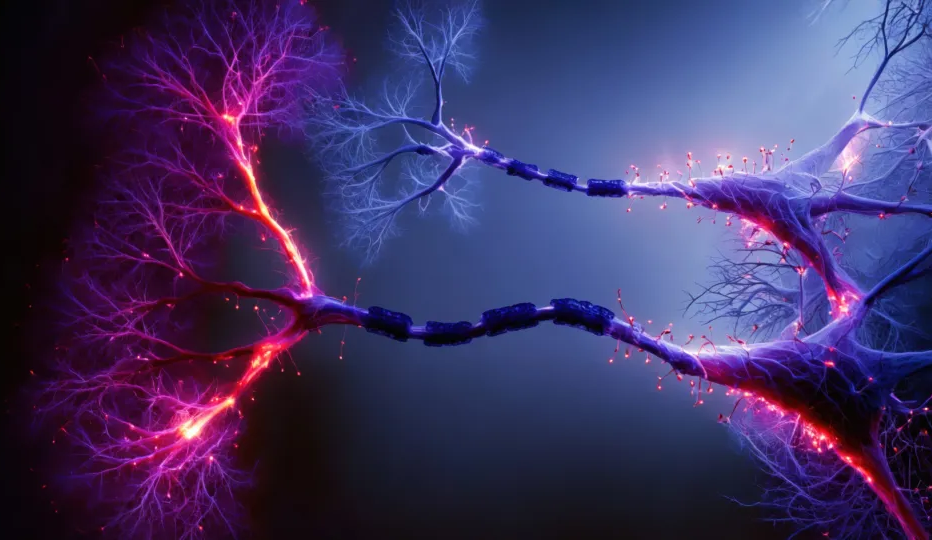
Researchers at Lund University have developed a new method to reprogram the brain’s support cells into parvalbumin neurons, the cells that help keep brain activity in balance. These cells are key in conditions like epilepsy, and creating them in the lab has long been a challenge.
By bypassing the stem-cell stage, the team can now generate these neurons faster and more efficiently. The breakthrough opens new possibilities for studying disease mechanisms, and, in the future, for replacing damaged brain cells.
Read about the research here: https://www.lunduniversity.lu.se/article/researchers-create-…p-its-cool.
Photo: Hal Gatewood, Unsplash.
Lund University. Parvalbumin cells play a central role in keeping brain activity in equilibrium. They control nervcell signalling, reduce overactivity and make sure that the brain is working to a rhythm. Researchers sometimes describe them as the cells that “make the brain sound right”.When these cells malfunction or decrease in number, the balance of the brain is disrupted. Previous studies suggest that damaged parvalbumin cells may contribute to disorders such as schizophrenia and epilepsy.