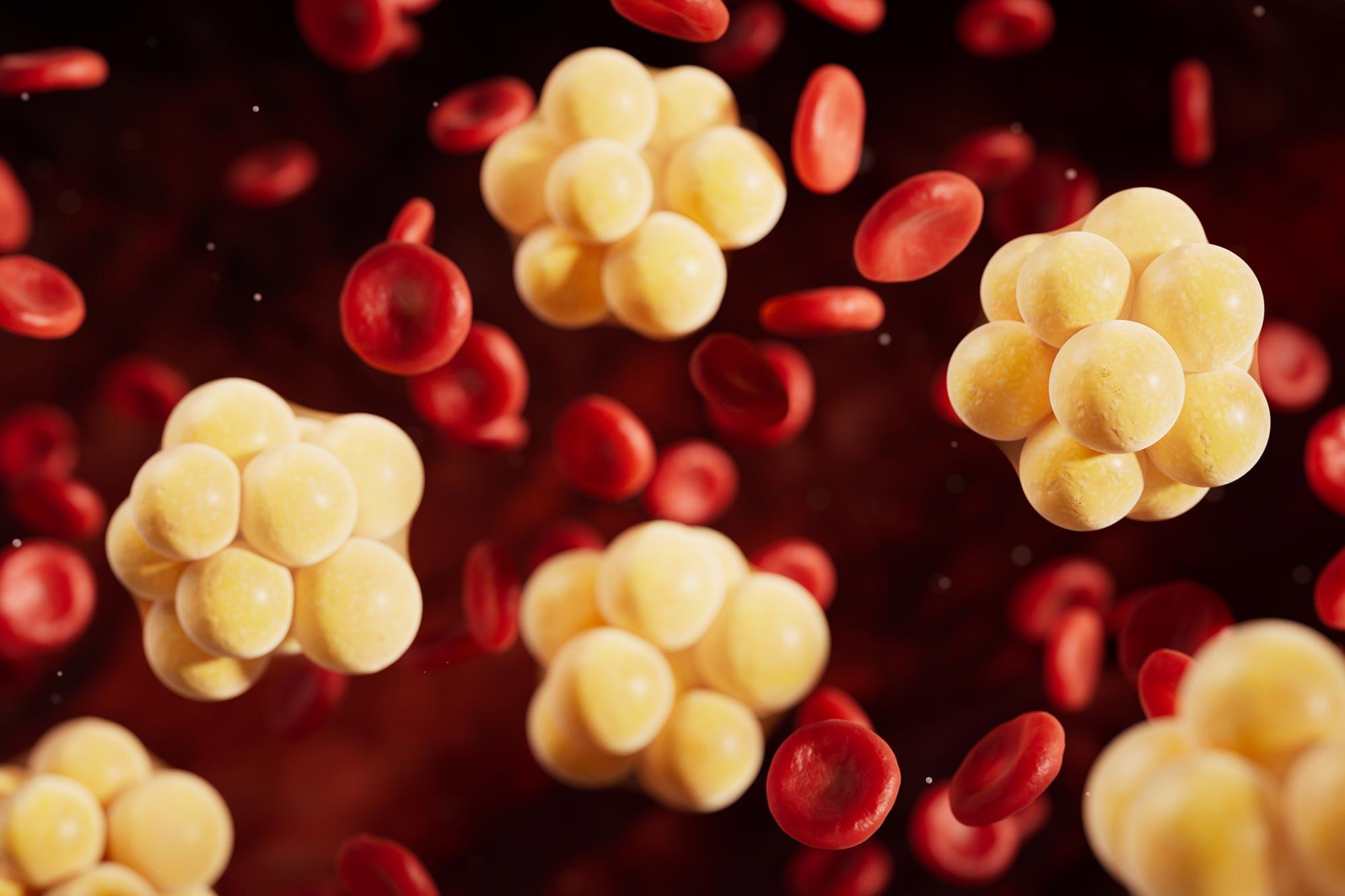
When we eat, the body turns surplus calories into molecules called “triglycerides”, especially when those calories come from carbs, sugar, fats, and alcohol. Triglycerides are a type of fat or “lipid”, and the body stores them in fat cells to use as fuel between meals.
However, too much of this fat can become harmful. High triglyceride levels can lead to “hypertriglyceridemia” (“excess triglycerides in the blood”), a condition tied to a much higher risk of heart disease, stroke, and pancreatitis. That is why people are widely encouraged to support healthy triglyceride levels through diet and exercise, while more severe cases may require medication.