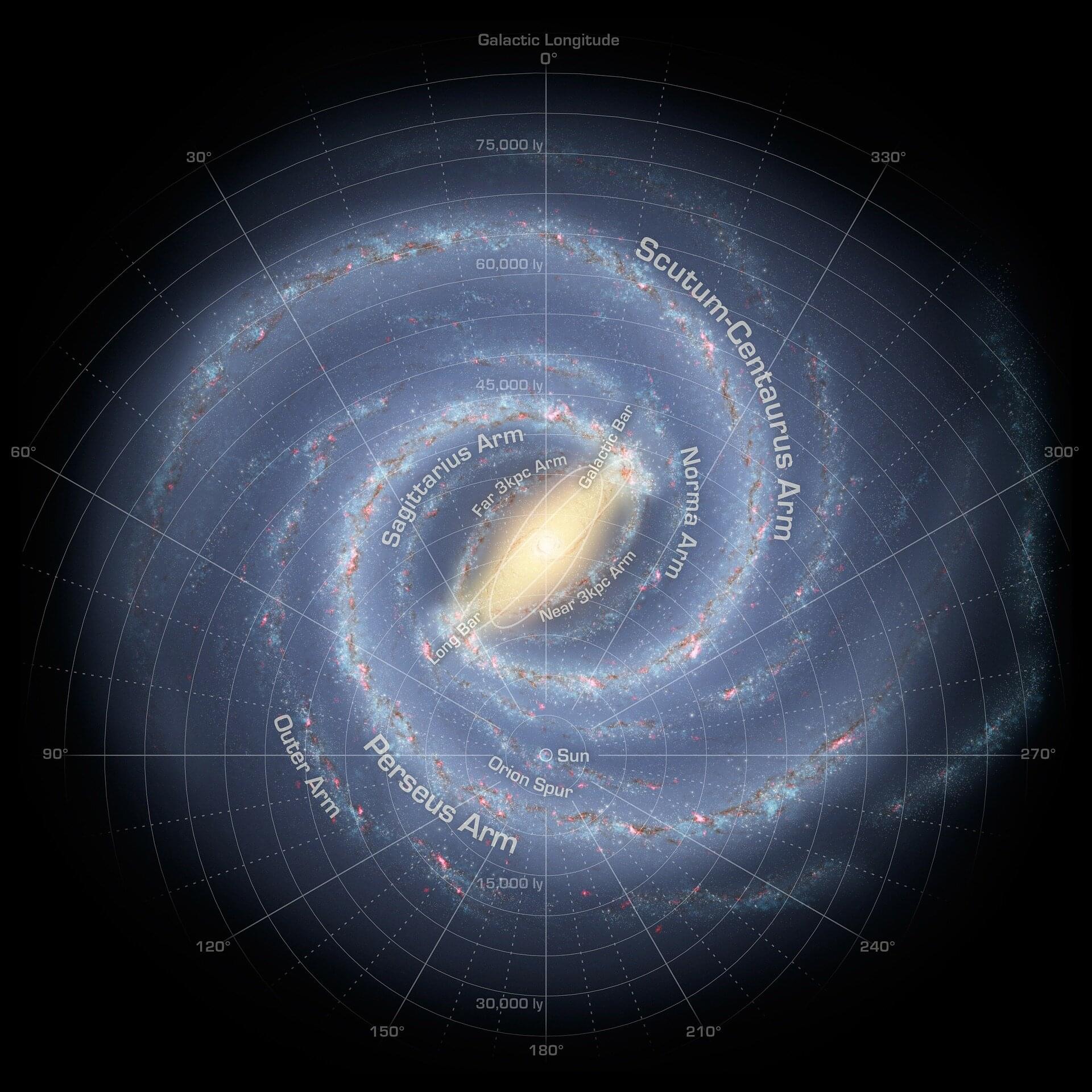
Researchers from the Institute of Cosmos Sciences of the University of Barcelona (ICCUB) and the Institute of Space Studies of Catalonia (IEEC), in collaboration with the Institute of Astrophysics of the Canary Islands (IAC), have led the most extensive observational study to date of runaway massive stars, which includes an analysis of the rotation and binarity of these stars in our galaxy.
This study, published in the journal Astronomy & Astrophysics, sheds new light on how these stellar “runaways” are ejected into space and what their properties reveal about their fascinating origins.
Runaway stars are stars that move through space at unusually high speeds, drifting away from the places where they were born. For a long time, the way massive runaway stars acquire these high velocities has remained a mystery to astronomers, who have considered two main scenarios: a violent kick when a companion explodes as a supernova in a binary system, or a gravitational ejection during close encounters in dense, young star clusters.