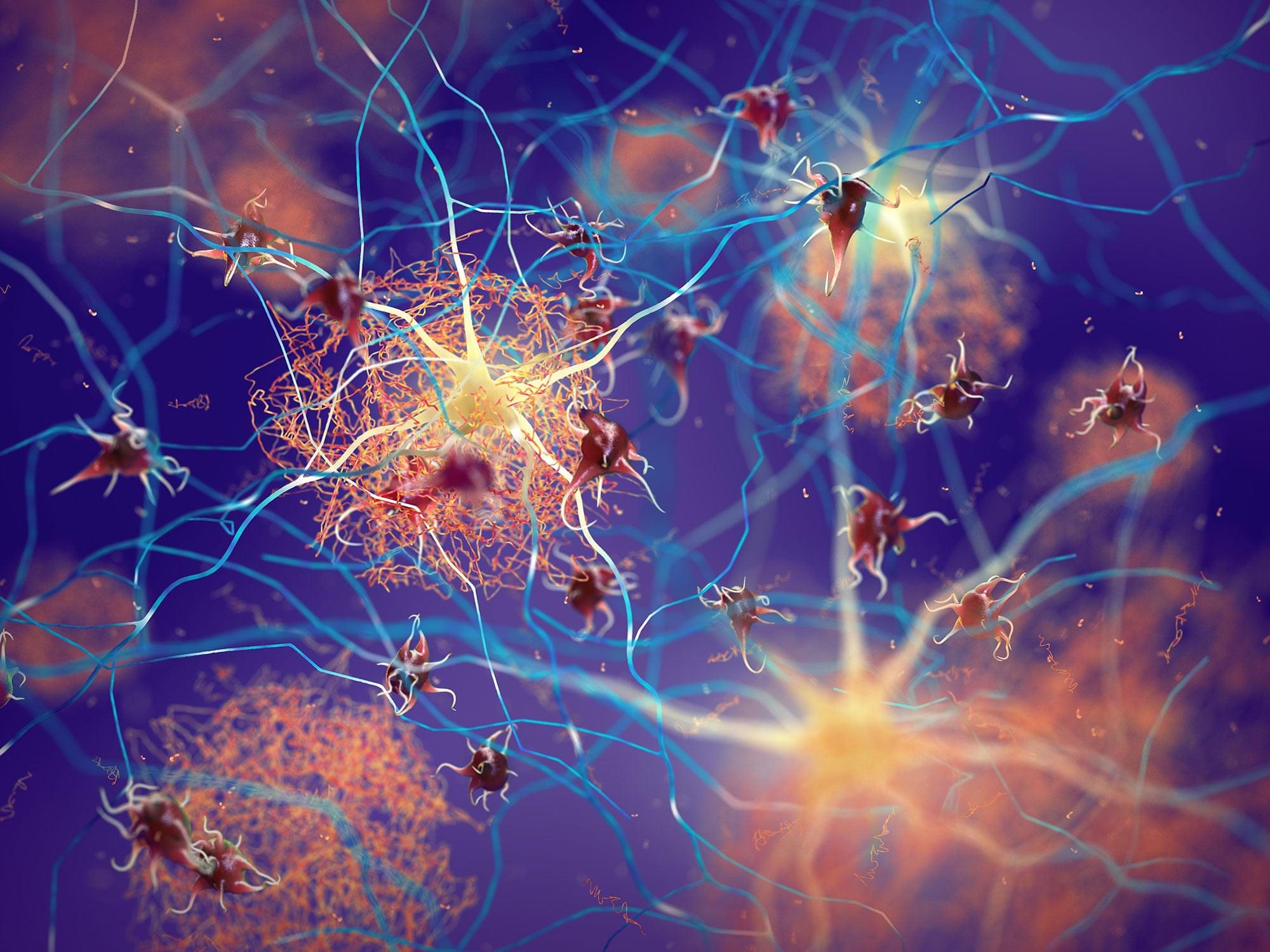
Researchers at Johns Hopkins Medicine report that findings from a new study funded by the National Institutes of Health are helping to identify a promising new biological target for Alzheimer’s disease. The focus is a protein that produces a crucial gas within the brain.
Studies in genetically engineered mice show that the protein Cystathionine γ-lyase, also known as CSE, plays an essential role in forming memories, says Bindu Paul, M.S., Ph.D., an associate professor of pharmacology, psychiatry and neuroscience at the Johns Hopkins University School of Medicine who led the research. CSE is best known for generating hydrogen sulfide, the gas responsible for the smell of rotten eggs, but the new findings highlight its importance in brain function.