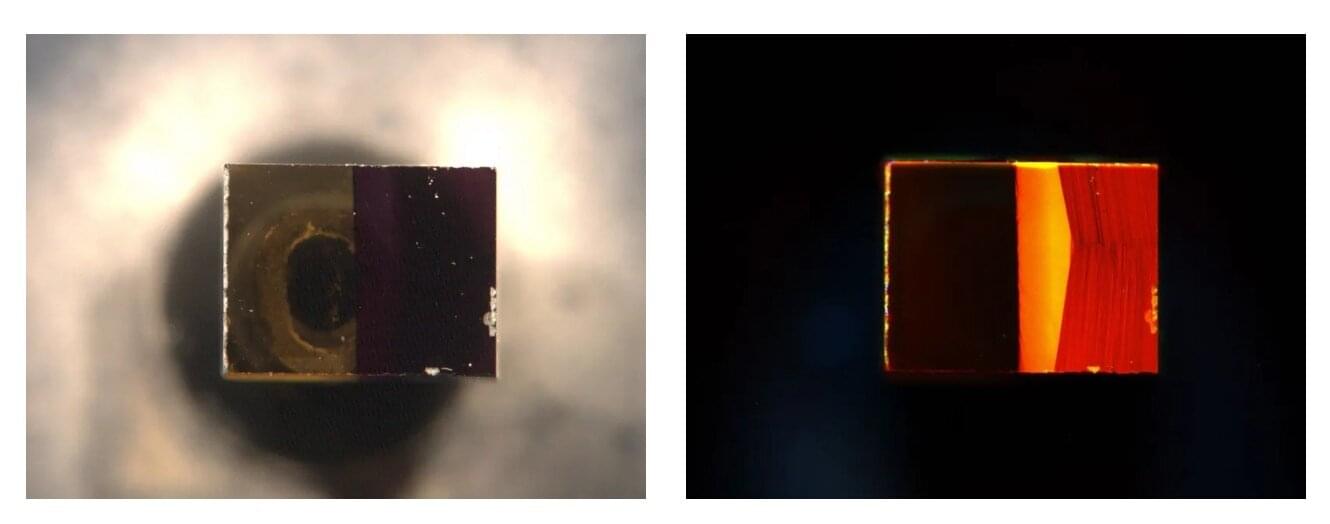
Diamond is famous in material science for being the best natural heat conductor on Earth—but new research reveals that, at the atomic scale, it can briefly trap heat in unexpected ways. The findings could influence how scientists design diamond-based quantum technologies, including ultra-precise sensors and future quantum computers.
In a study published in Physical Review Letters, researchers from the University of Warwick and collaborators showed that when certain molecular-scale defects in diamond are excited with light, they create tiny, short-lived “hot spots” that momentarily distort the surrounding crystal. These distortions last only a few trillionths of a second but are long enough to affect the behavior of quantum-relevant defects.
“Finding a hot ground state for a molecular-scale defect in diamond was extremely surprising for us,” explained Professor James Lloyd-Hughes, Department of Physics, University of Warwick. “Diamond is the best thermal conductor, so one would expect energy transport to prevent any such effect. However, at the nanoscale, some phonons—packets of vibrational energy—hang around near the defect, creating a miniature hot environment that pushes on the defect itself.”