Neuroscientists have been trying to understand how the human brain supports numerous advanced capabilities for centuries. The cerebral cortex, the outer layer of the brain, is now known to be responsible for many of these capabilities, including reasoning, decision-making, the processing of sensory information and voluntary movement.
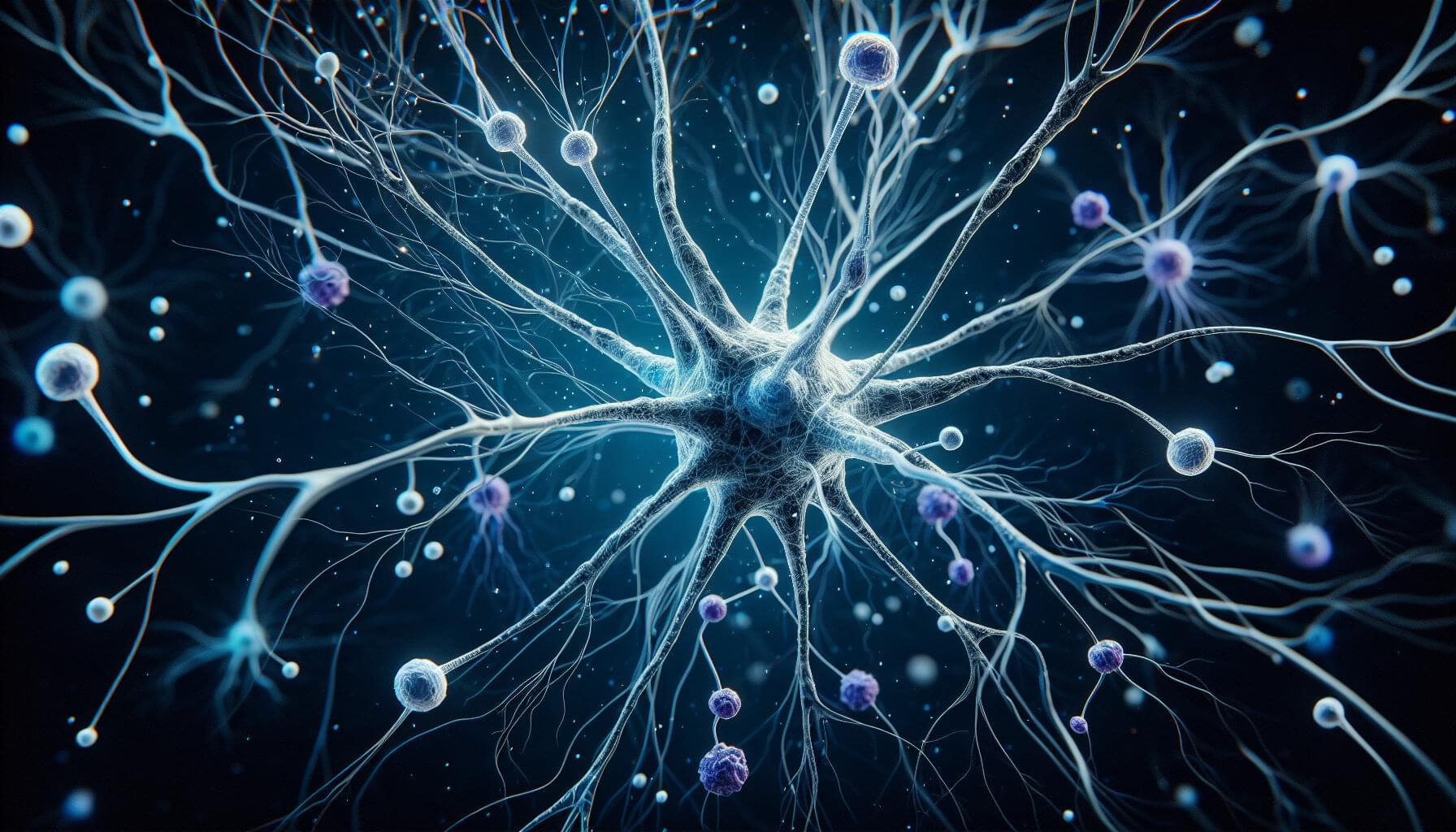
Neurons in the cerebral cortex often become active consecutively or simultaneously for brief periods of time, following recurrent patterns of activity. These recurring neuron firing patterns have been linked to sensorimotor coordination, the brain’s ability to link sensory inputs (i.e., the information collected via the senses) to movements.
For decades, repeating neuronal activity has been described in the context of attractor dynamics theory, a physics-based framework that frames recurring neuron firing patterns as so-called attractors. Attractors are stable states or activity patterns toward which a system naturally returns to.