Speaking more than one language can slow down the brain’s aging and lower risks linked to accelerated aging.
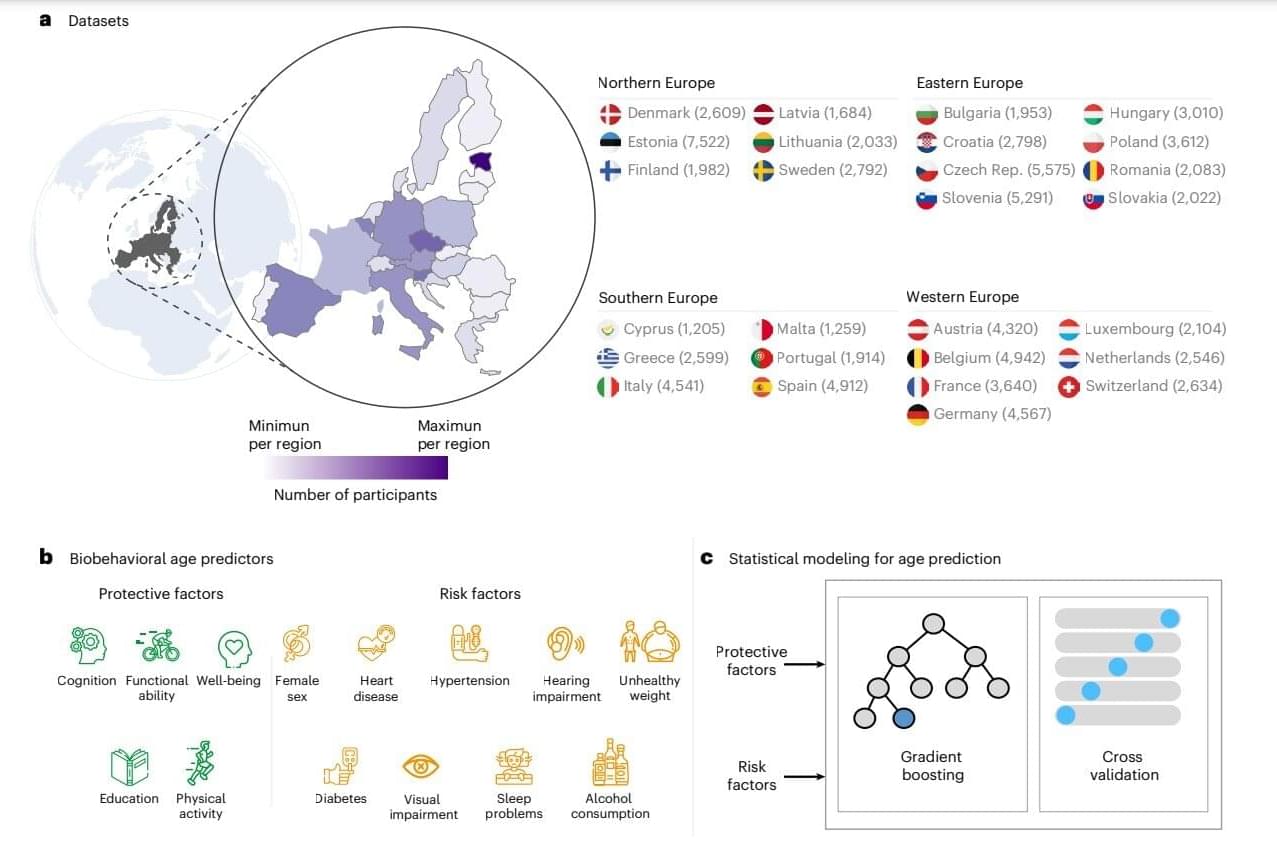
In a new study, researchers analyzed the Biobehavioral Age Gap (BAG) —a person’s biological age using health and lifestyle data, then compared it to their actual age—of over 80,000 participants aged 51–90 across 27 European countries. They found that people who speak only one language are twice as likely to experience accelerated aging compared to multilingual individuals.
Researchers suggest that the protective effect might arise from the constant ongoing mental effort required to manage more than one language. The findings of this study are published in Nature Aging.