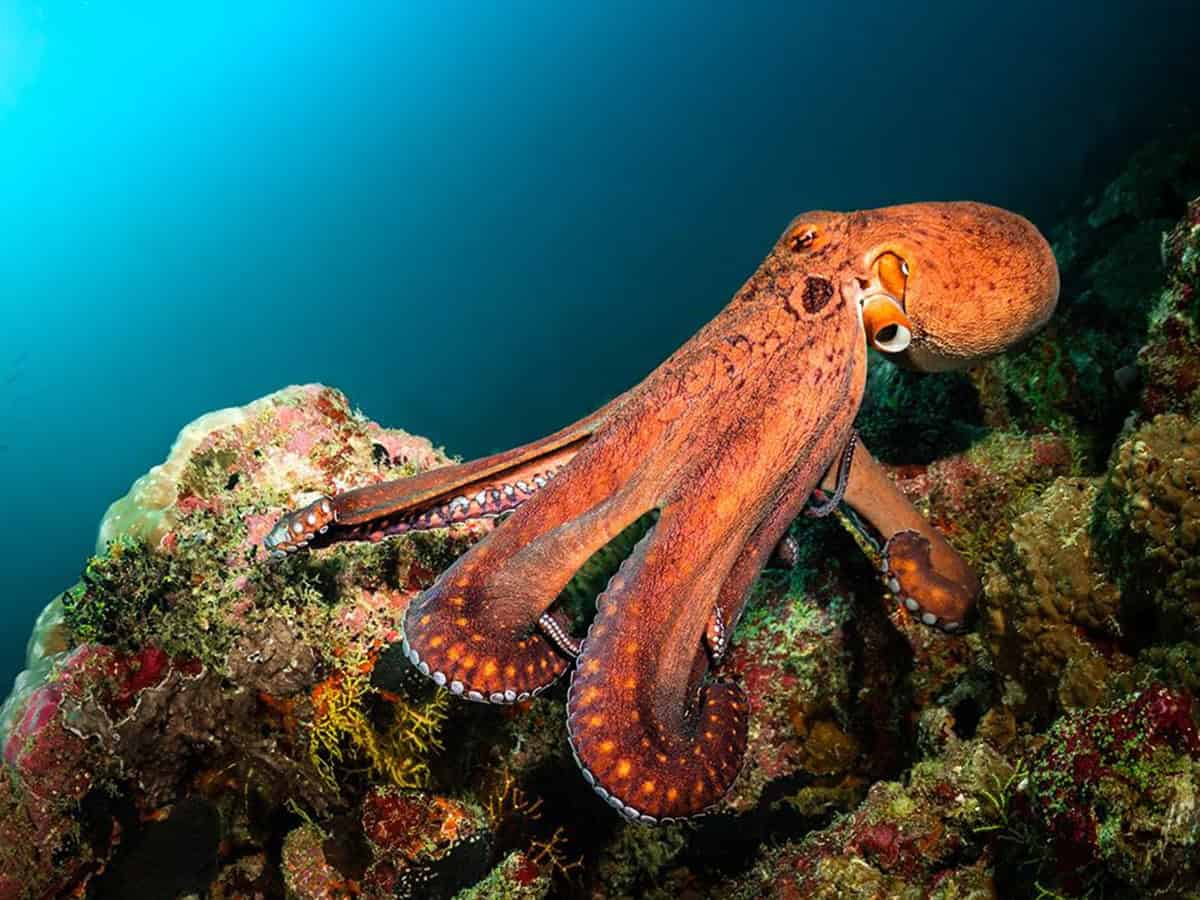
The team’s solution hinges on a clever trick of synthetic biology called “growth-coupled biosynthesis.” Most biomanufacturing efforts try to coax microbes into making a product as a side gig. But the bacteria often resist, directing their resources toward survival instead.
This research flipped the incentive. The scientists engineered a strain of Pseudomonas putida that could only survive if it produced xanthommatin—or more precisely, if it also made a byproduct called formic acid in the process. This formate, a one-carbon molecule, fuels critical metabolic cycles. No formate, no growth.