Toggle light / dark theme

NASA Just Released Its Incredibly Cool Concept for Houses on Mars

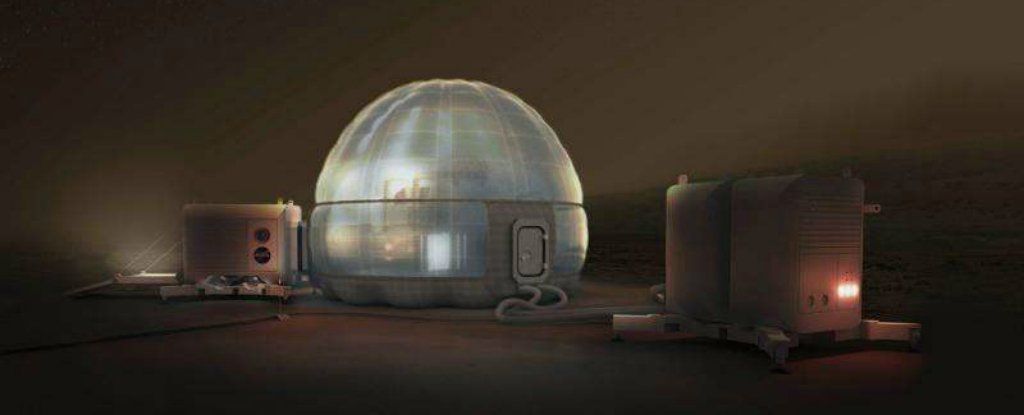
NASA researchers have a lot of problems to work through if they want astronauts to one day set foot on Mars. One of the biggest hurdles is where these early pioneers will sleep and live, and after a day of brainstorming, engineers might have come up with a solution – a conceptual ‘ice home’ design.

Yup, NASA is looking into creating inflatable domes covered in ice for astronauts to live and work in, providing them with protection from extreme temperatures and high-energy radiation.

“After a day dedicated to identifying needs, goals, and constraints we rapidly assessed many crazy, out of the box ideas and finally converged on the current Ice Home design, which provides a sound engineering solution,” said senior systems engineer Kevin Vipavetz, from NASA’s Langley Research Centre in Virginia.
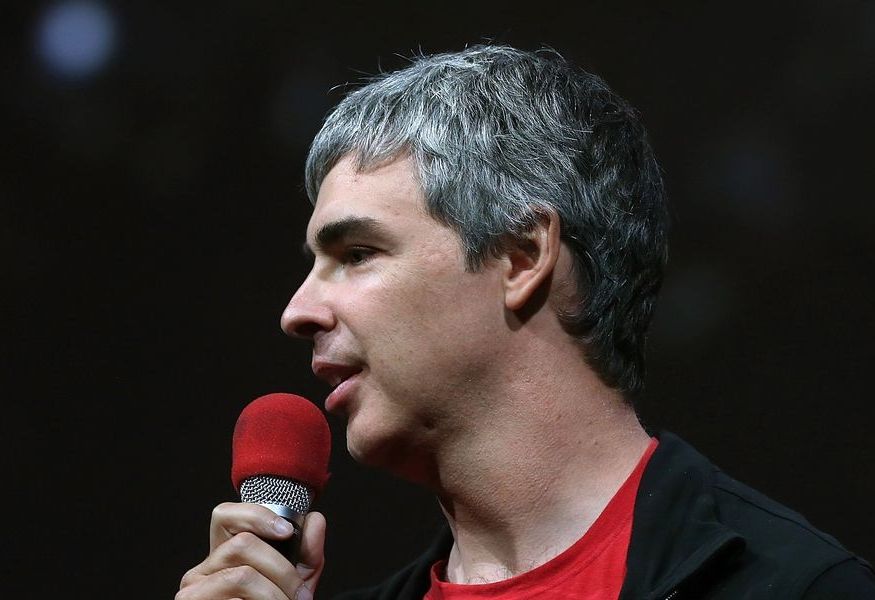
Why Google co-founder Larry Page is pouring millions into flying cars

Tiny electric airplanes could transform air travel.

On its own, swapping conventional aircraft engines for electric motors could have significant benefits, reducing the cost of air travel and emissions per flight. But the bigger opportunity here is to make air travel practical in situations where no one would think to take an airplane today.

Back in October, Uber published a white paper describing its vision of the future small VTOL aircraft could make possible. Uber envisions a network of on-demand aircraft carrying passengers among many landing spots distributed throughout a metropolitan area. For example, right now it takes at least an hour to drive from San Jose, California, to San Francisco — and closer to two hours during rush hour. In contrast, Uber estimates, the same trip could take 15 minutes in a VTOL airplane.

Your microbiota’s previous dining experiences may make new diets less effective

Struggling with your diet? Your microbiota could be to blame.


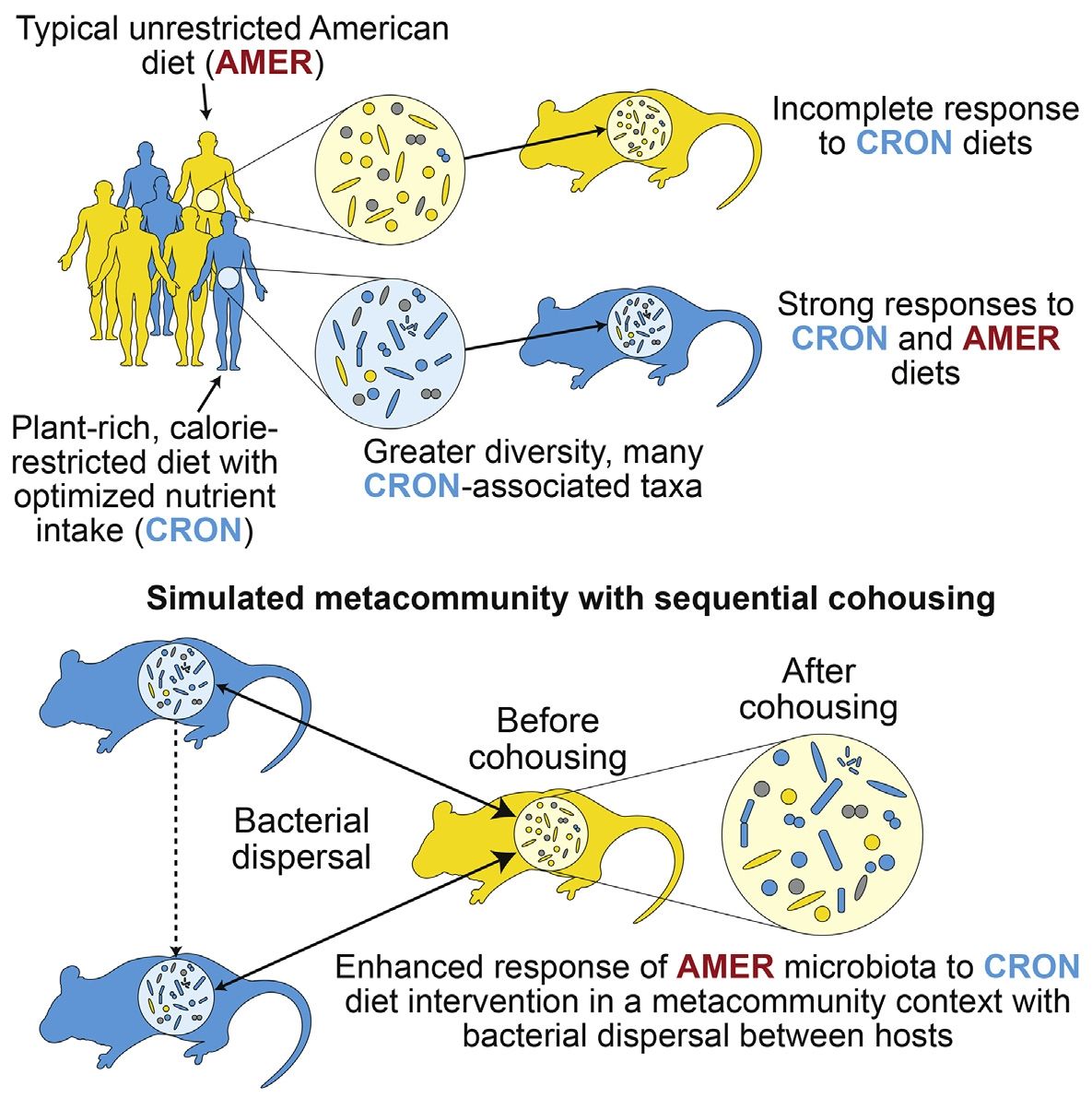
Your microbiota may not be on your side as you try improving your diet this New Year’s. In a study published December 29 in Cell Host & Microbe, researchers explore why mice that switch from an unrestricted American diet to a healthy, calorie-restricted, plant-based diet don’t have an immediate response to their new program. They found that certain human gut bacteria need to be lost for a diet plan to be successful.

“If we are to prescribe a to improve someone’s health, it’s important that we understand what help control those beneficial effects,” says Jeffrey Gordon, Director of the Center for Genome Sciences and Systems Biology at Washington University in St. Louis and senior author of the paper. “And we’ve found a way to mine the gut microbial communities of different humans to identify the organisms that help promote the effects of a particular diet in ways that might be beneficial.”

In order to study how human dietary practices influence the and how a microbiota conditioned with one dietary lifestyle responds to a new prescribed diet, Gordon and his collaborators first took fecal samples from people who followed a calorie-restricted, plant-rich diet and samples from people who followed a typical, unrestricted American diet. The researchers found that people who followed the restricted, plant-rich diet had a more diverse microbiota.

/* */