Toggle light / dark theme

Get the latest international news and world events from around the world.

Log in for authorized contributors

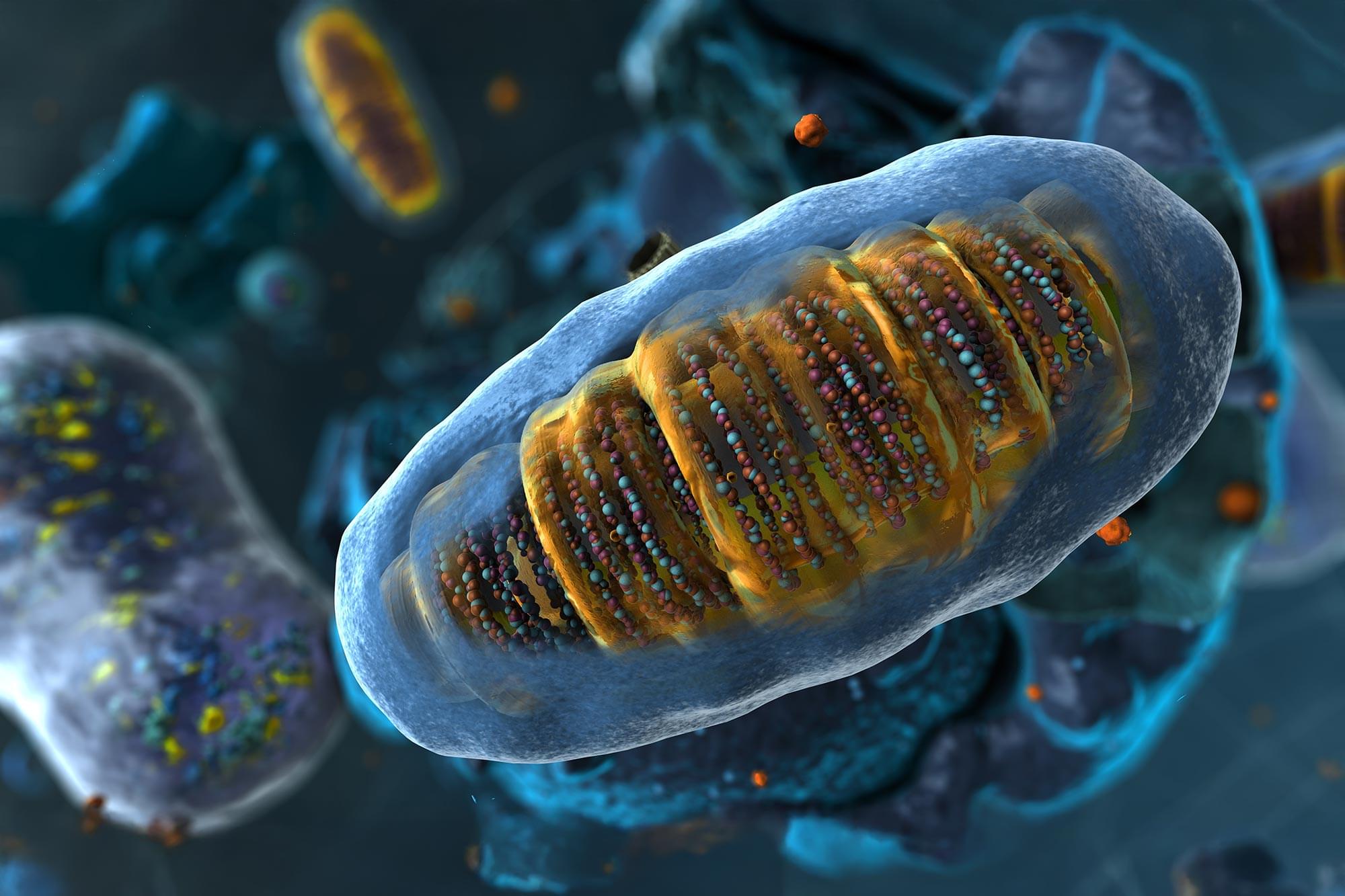
Breakthrough Shows How Cells Detect Stress Before Damage Spreads

Researchers at LMU have uncovered how ribosomes, the cell’s protein builders, also act as early warning sensors when something goes wrong inside a cell.

When protein production is disrupted, and ribosomes begin to collide, a molecule called ZAK detects the pileup and switches on protective stress responses.

Ribosomes as protein builders and stress sensors.

Sympathetic Activation Promotes Sodium Glucose Co-Transporter-1 Protein Expression in Rodent Skeletal Muscle

The hyperactivation of the sympathetic nervous system (SNS) is linked to obesity, hypertension, and type 2 diabetes, which are characterized by elevated norepinephrine (NE) levels. Previous research has shown increased sodium-dependent glucose cotransporter 1 (SGLT1) protein levels in kidneys of hypertensive rodents, prompting investigation into the expression of SGLT1 in various tissues, such as skeletal muscle. This study aimed to assess (i) whether skeletal muscle cells and tissue express SGLT1 and SGLT2 proteins; (ii) if NE increases SGLT1 levels in skeletal muscle cells, and (iii) whether the skeletal muscle of neurogenically hypertensive mice exhibits increased SGLT1 expression. We found that (i) skeletal muscle cells and tissue are a novel source of the SGLT2 protein and that (ii) NE significantly elevated SGLT1 levels in skeletal muscle cells. As SGLT2 inhibition (SGLT2i) with Empagliflozin increased SGLT1 levels, in vivo studies with the dual inhibitor SGLT1/2i, Sotagliflozin were warranted. The treatment of neurogenically hypertensive mice using Sotagliflozin significantly reduced blood pressure. Our findings suggest that SNS activity upregulates the therapeutic target, SGLT1, in skeletal muscle, potentially worsening cardiometabolic control. As clinical trial data suggest cardiorenal benefits from SGLT2i, future studies should aim to utilize SGLT1i by itself, which may offer a therapeutic strategy for conditions with heightened SNS activity, such as hypertension, diabetes, and obesity.

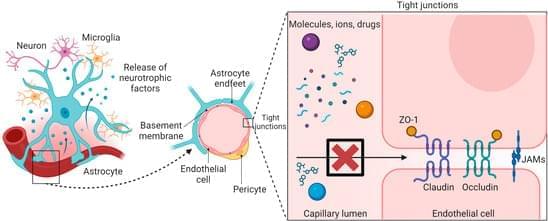
Blood–Brain Barrier-Targeting Nanoparticles: Biomaterial Properties and Biomedical Applications in Translational Neuroscience

This case-control study found that adults with schizophrenia had significantly greater frontal cortex serotonin release than healthy controls, and greater release correlated with more severe negative symptoms.


Question Is serotonin release altered in vivo in schizophrenia, and is it associated with negative symptom severity?

Findings In this case-control neuroimaging study that included 54 adults, frontal cortex serotonin release was significantly greater in the 26 people with DSM-5 schizophrenia compared with 28 matched healthy controls. In schizophrenia, greater frontal cortex serotonin release was associated with more severe baseline negative symptoms.

Meaning Findings suggest that serotonergic dysfunction in the pathophysiology of schizophrenia was associated with negative symptoms, identifying the regulation of serotonergic neurotransmission as a potential target to treat negative symptoms.

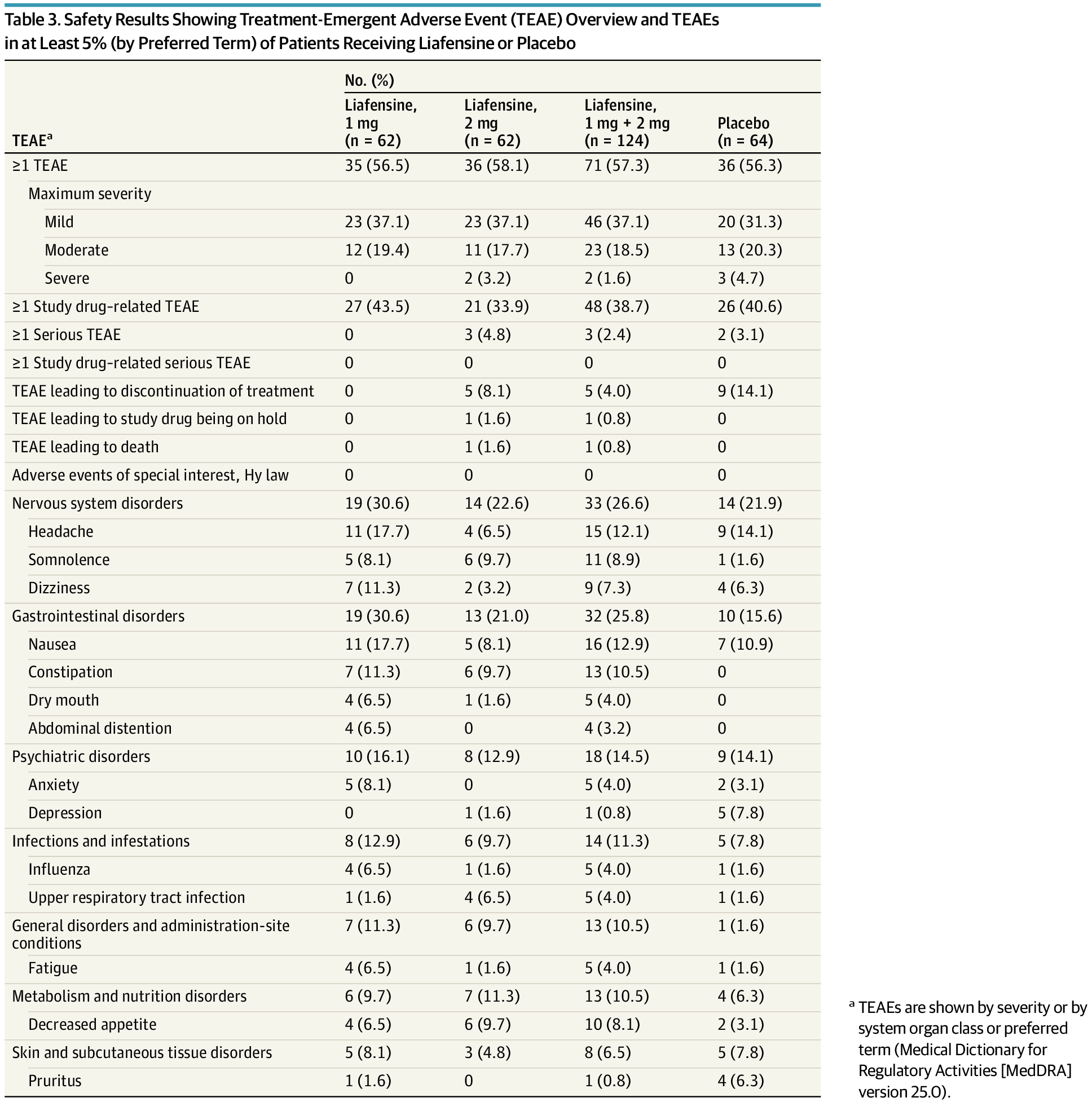
ANK3 as a Novel Genetic Biomarker for Liafensine in Treatment-Resistant Depression: The ENLIGHTEN Randomized Clinical Trial

Liafensine was efficacious and well tolerated in ANK3-positive patients with treatment-resistant depression, with clinically meaningful and statistically significant improvements over placebo, highlighting ANK3 as a predictive genetic biomarker for liafensine.


Question Does the newly discovered ANK3 pharmacogenomic biomarker predict the response of patients with treatment-resistant depression (TRD) to liafensine, a triple reuptake inhibitor, despite failure in a non–biomarker-selected TRD patient population in prior phase 2b trials?

Findings In this randomized clinical trial including 189 ANK3-positive patients with TRD, liafensine demonstrated a 4.4-point Montgomery-Åsberg Depression Rating Scale improvement over placebo, a clinically meaningful and statistically significant difference.

Meaning This represents a first successful genetic biomarker-guided clinical trial in psychiatry, advancing a new treatment for TRD and providing a new path for developing precision medicines in the field.

/* */