Toggle light / dark theme

Get the latest international news and world events from around the world.

Log in for authorized contributors

RGB multiplexer based on lithium niobate enables faster, more efficient light modulation for laser beam scanning

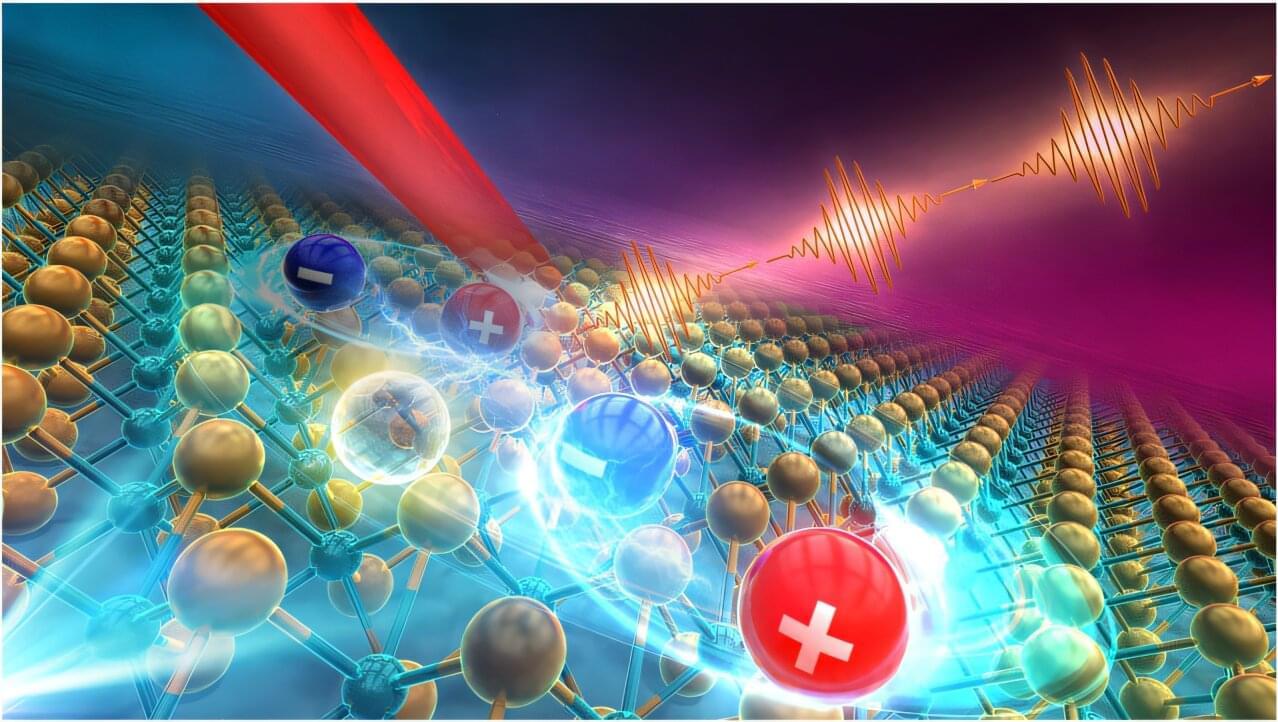
As technology advances, photonic systems are gaining ground over traditional electronics, using light to transmit and process information more efficiently. One such optical system is laser beam scanning (LBS), where laser beams are rapidly steered to scan, sense, or display information.

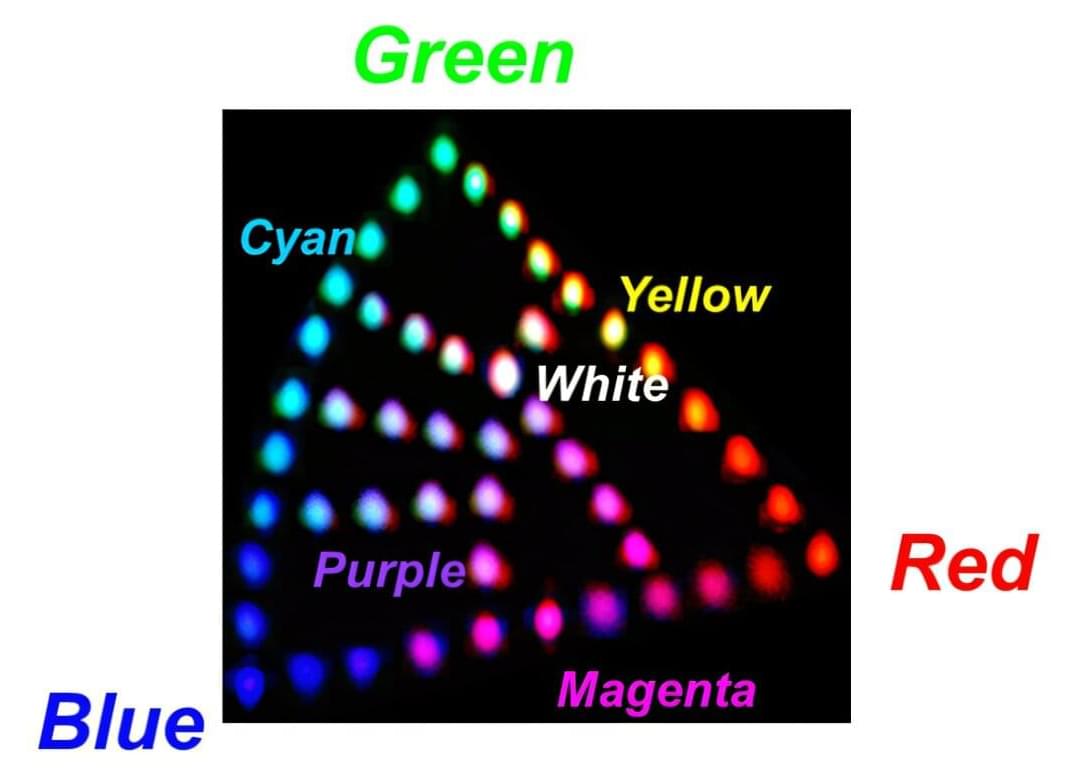
This technology is used in applications ranging from barcode scanners at grocery stores to laser projectors in light shows. To process a wider range of signals or enable full-color output, these systems utilize multiplexers that merge the red, green, and blue (RGB) laser beams into a single beam.

Traditionally, this was achieved by directly modulating each laser, turning them on and off to control the output. However, this approach is relatively slow and energy intensive. A recent study by researchers at the TDK Corporation (Japan) reports the development of a faster and more energy-efficient RGB multiplexer based on thin-film (TFLN).

Gold Does Something Unexpected When Superheated Past Its Melting Point

Gold remains perfectly solid when briefly heated beyond previously hypothesized limits, a new study reports, which may mean a complete reevaluation of how matter behaves under extreme conditions.

The international team of scientists behind the study used intense, super-short laser blasts to push thin fragments of gold past a limit known as the entropy catastrophe; the point at which a solid becomes too hot to resist melting. It’s like a melting point, but for edge cases where the physics isn’t conventional.

In a phenomenon called superheating, a solid can be heated too quickly for its atoms to have time enter a liquid state. Crystals can remain intact way past their standard melting point, albeit for a very, very brief amount of time.

/* */