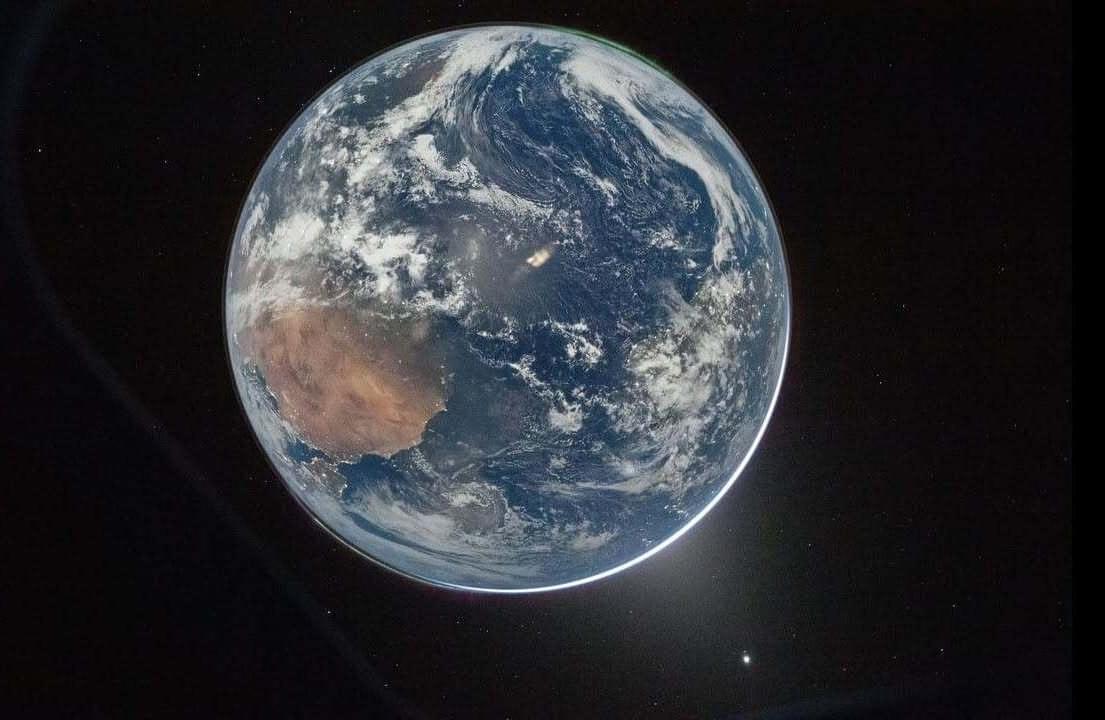
While Artemis 2 was a moon mission, the astronauts also took breathtaking pictures of the Earth.
Get the latest international news and world events from around the world.
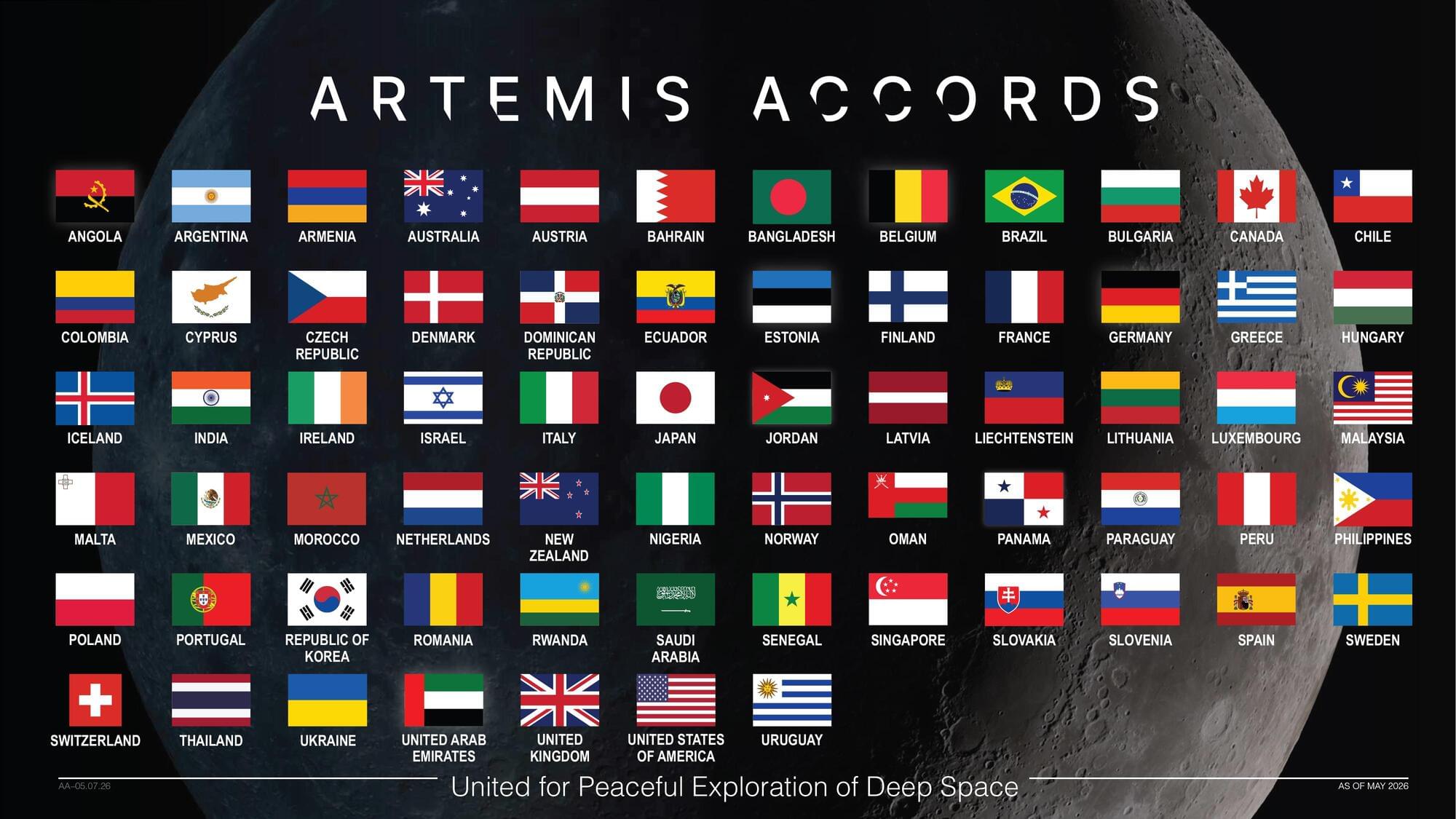
NASA Welcomes Paraguay as 67th Artemis Accords Signatory
The Republic of Paraguay signed the Artemis Accords on Thursday during a ceremony in Asunción, becoming the latest nation to commit to the shared principles guiding civil space exploration.
“Today, I am proud to welcome Paraguay as the 67th signatory to the Artemis Accords,” said NASA Administrator Jared Isaacman. “They join an ever-growing coalition of like-minded nations committed to the peaceful, transparent, and responsible exploration of space. Established by President Trump in his first term, the Artemis Accords provided the principles for how we explore the Moon, Mars, and beyond. Now, with his national space policy, we are putting the Artemis Accords into practice with our Moon Base. We are creating opportunities for all Artemis Accords signatories, including Paraguay, to join us on the lunar surface and advance our shared objectives in this next era of exploration.”
U.S. Embassy Asunción Chargé d’Affaires ad interim Aaron Pratt shared Isaacman’s remarks during the ceremony. Minister President of the Paraguayan Space Agency Osvaldo Almirón Riveros signed on behalf of Paraguay.
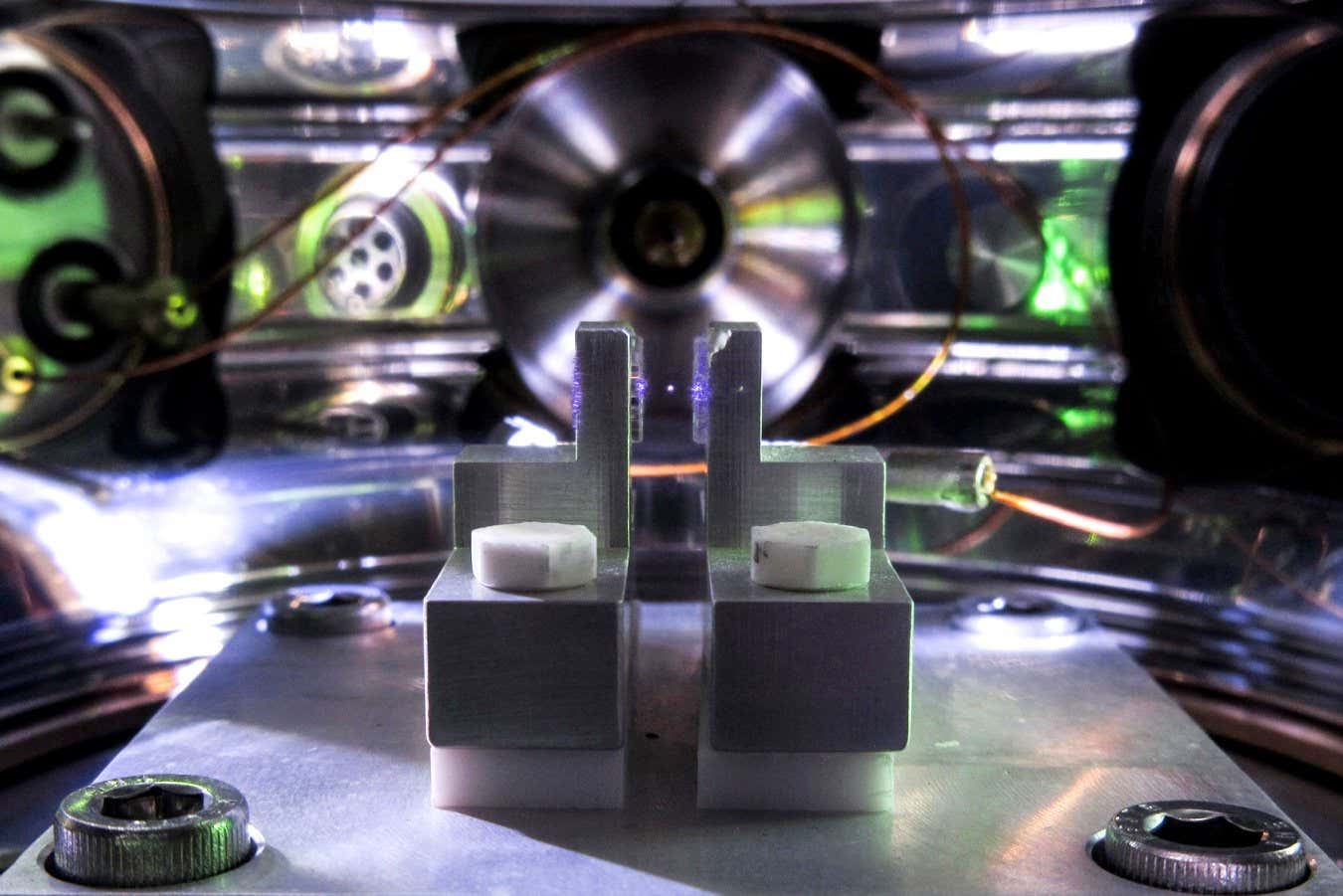
Pressure from individual particles measured for the first time
A device made using a tiny bead floating in a beam of light can measure extremely small pressures and could help find a mysterious kind of neutrino
Our Extropian Future, with Natasha Vita-More
Our extropian future: natasha vita-more on AI, nanotechnology, mind uploading, and the birth of transhumanism.
What happened to the future we dreamed about on the Extropian mailing list 30 years ago? Did we get the timelines wrong, or was the architecture of our thinking correct? In this compelling follow-up to the conversation with Max More, Giulio Prisco sits down with Natasha Vita-More—futurist, designer, and co-founder of the Extropian movement—to assess the state of \.
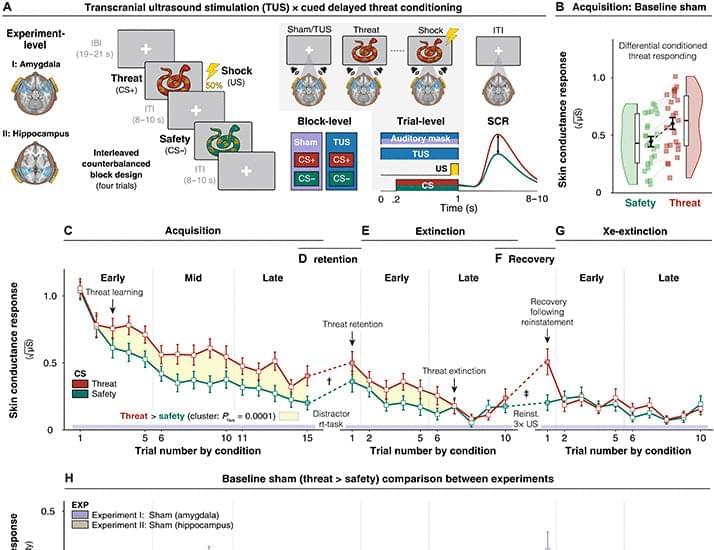
The human amygdala in threat learning and extinction
Ultrasonic neuromodulation of the human amygdala provides causal evidence for its role in forming persistent threat memories.
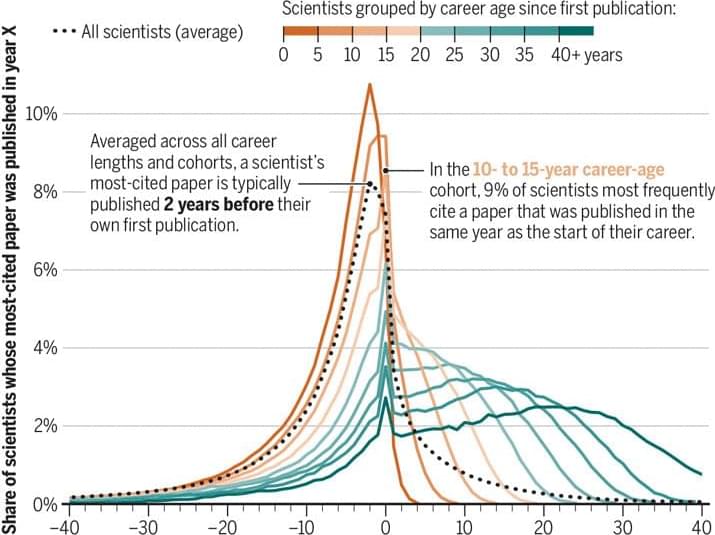
Aging and the narrowing of scientific innovation
Aging researchers and the removal of retirement policies yield decreased disruptive innovation in science

Physicists Solve Major Challenge in Quantum Synchronization
A theoretical study shows how nonreciprocal quantum synchronization could be achieved in real-world systems.
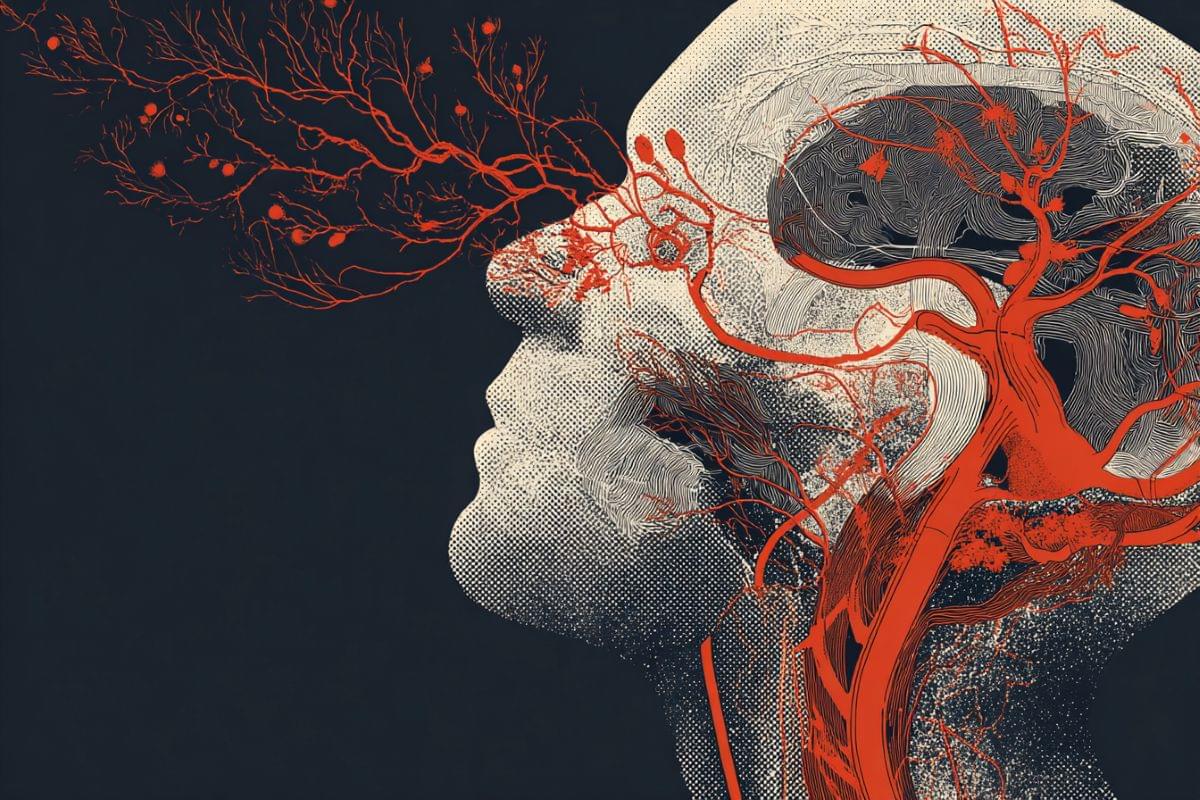
The Neural Shortcut to Language
Researchers use molecular barcoding to discover that Alston’s singing mice evolved complex vocalizations through targeted tripling of neural projections.
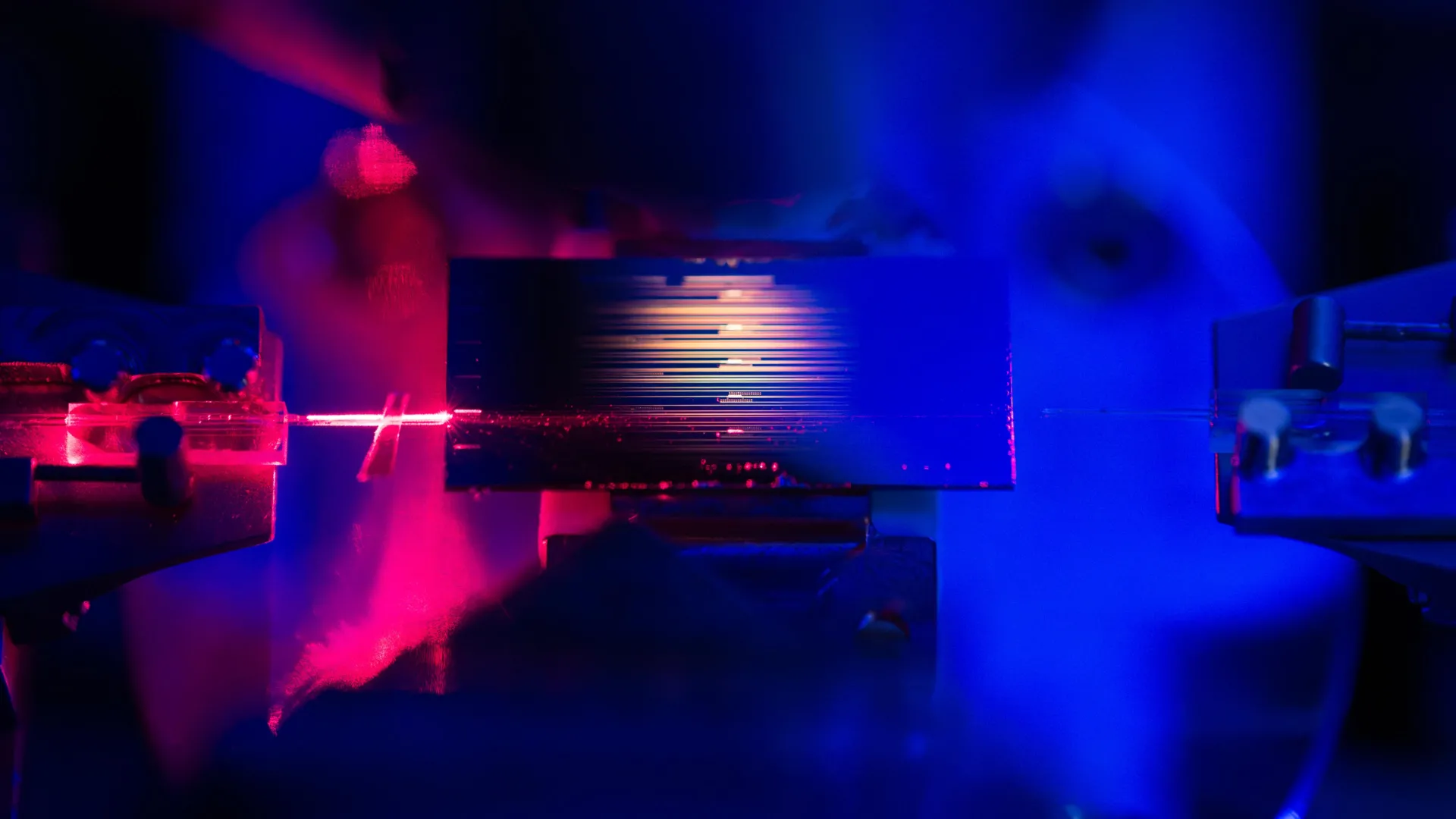
Stanford’s new chip boosts light 100x with surprisingly low energy
Researchers at Stanford have developed a compact optical amplifier that dramatically boosts light signals using very little power. By recycling energy inside a looping resonator, the device achieves strong amplification with minimal noise and wide bandwidth. Its efficiency and small size mean it could run on batteries and be integrated into consumer electronics. This breakthrough could enable faster communications and more powerful optical technologies.

This Telescope Spent Five Years Mapping the Cosmos and Captured 47 Million Galaxies in the Process
For five years, scientists quietly scanned the night sky with an instrument capable of capturing objects billions of light-years away. What they uncovered is now being described as the most ambitious cosmic map ever created.