The Sun may still carry the scars of a lost super-Earth.

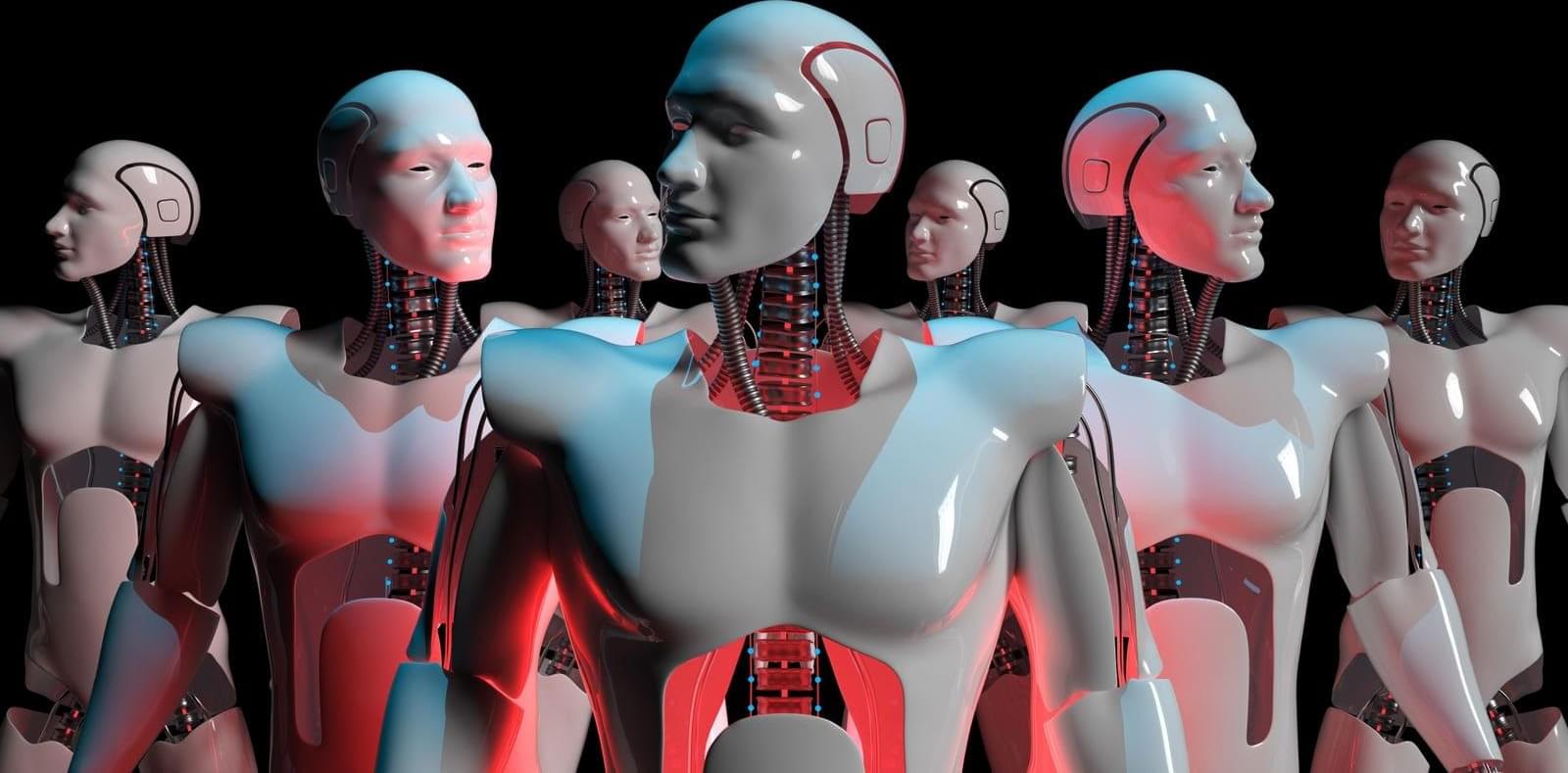
China is showcasing the strength of its manufacturing capacity. The United States exhibits remarkable capabilities in artificial intelligence, software development, and advanced computing. Japan possesses profound proficiency in precision robotics and human-centric engineering. Europe, South Korea, Taiwan, and various other technological ecosystems possess essential components of the solution.
The contest has only just begun. The era of humanoids has commenced, yet it remains in its nascent stages. The machinery operating in factories today is rudimentary in comparison to what could develop in the forthcoming decade. As artificial intelligence advances, materials are enhanced to be lighter and more robust, battery technology progresses, sensors gain complexity, and robotic models assimilate knowledge from expansive datasets of the physical realm, humanoid robots may emerge as a pivotal technology of the Acceleration Era.
The primary inquiry has shifted from whether machines will integrate into human surroundings. They have already done so. The question pertains to what we instruct them in, how we safeguard them, how we regulate them, and how we guaranty that their growing physical intelligence ultimately enhances rather than constricts human potential. This will constitute a pivotal technological and policy challenge of the forthcoming decade.
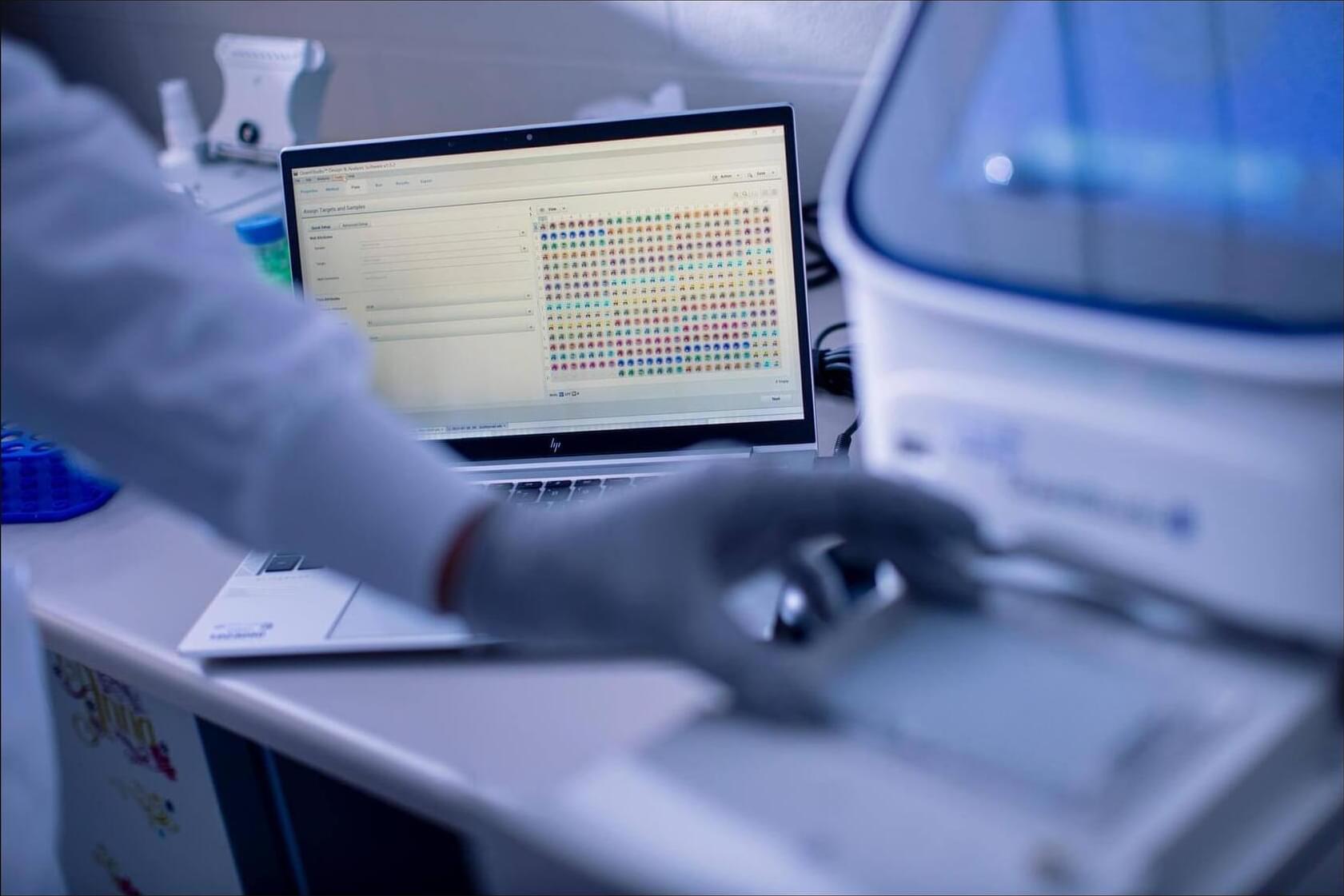
ROCHESTER, Minn. — Mayo Clinic researchers have identified a potential new approach to treating glioblastoma that could help the immune system fight the aggressive brain cancer while improving the effectiveness of existing chemotherapy.
The preclinical research, published in Nature Communications, found that inhibiting the enzymatic activity of a protein called MALT1 can reprogram immune cells surrounding glioblastomas, shifting them from a state that helps protect the cancer to one that promotes an antitumor immune response.
Researchers also found that treatment with a MALT1 inhibitor slowed tumor growth in preclinical models and that combining MALT1 with temozolomide, the chemotherapy most commonly used to treat glioblastoma, enhanced temozolomide effectiveness. In one preclinical model, median survival substantially increased when this chemotherapy was combined with MALT1 inhibition in comparison to treatment with temozolomide alone.
Research shows fasting can crank up stem cell activity, helping your body rebuild and recharge like never before.
For example, a study from MIT found that after just 24 hours of fasting, mice doubled their intestinal stem cell regeneration.
That’s a small tweak with a big payoff, and it’s got people buzzing about how fasting might unlock a hidden superpower in all of us.
The goal of the TxDOT program is to find ways for electric aircraft to safely operate in Texas airspace.

Following a tip-off from robotaxi firm Waymo, San Francisco police conducted a “high-risk vehicle stop” and arrested two juveniles last week. The crime? The Waymo had seen its two passengers handling a loaded AR-style assault rifle. Police who intercepted the car also found “suspected marijuana and mace spray,” reports SFGate.
Fully autonomous taxi cabs like the Waymo in this story are an increasingly common form of transport seen on the world’s roads. With no human driver, these electric vehicles are packed with sensors, cameras, and more, all tied into the software presence that is called the Waymo Driver. To ensure the utmost safety, the sensors also continually monitor passengers. This might typically check if passengers are following the rules regarding minor transgressions like smoking or not wearing a seatbelt. In this case, the cameras recognized something more serious.


Dogs and cats may carry strains of Klebsiella pneumoniae, a potentially serious bacterium that can cause infections and is also found in humans, according to new research from Bournemouth University published in the journal Transboundary and Emerging Diseases.
Klebsiella pneumoniae can live harmlessly in the body but can also cause serious infections, including infections of the urinary tract, bloodstream and lungs. The problem becomes more difficult to treat when the bacteria are resistant to antibiotics.
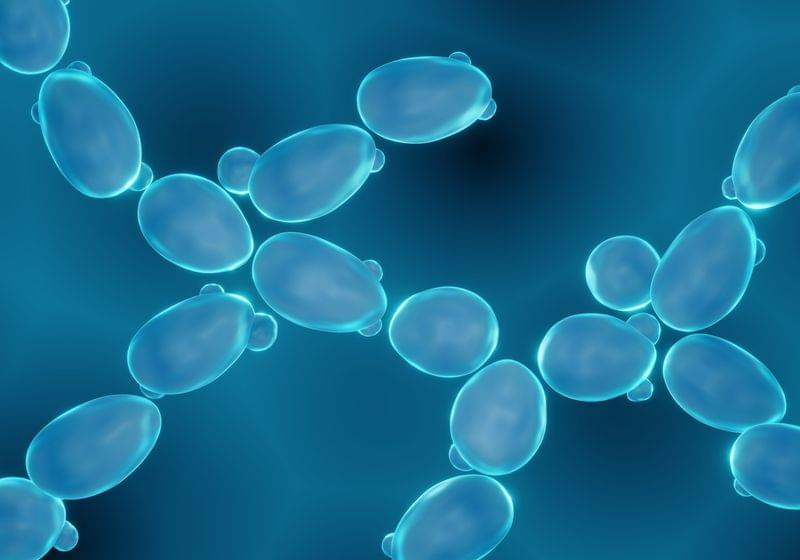
Mutations are changes in the molecular “letters” that make up DNA, the genetic blueprint for cells. Mutations build up with age in every cell when DNA is damaged or when cells make mistakes in fixing or copying it. Most mutations are harmless, but when they disrupt genes, they can cause cancer and other diseases.
Past studies in animals have shown that a large reduction in the number of calories they consume, called caloric restriction, extends their lifespans and slows aspects of aging. But whether caloric restriction also slows the rate at which mutations occur with age had not been investigated across the genome, the complete set of genetic material present in every cell.