Toggle light / dark theme

Get the latest international news and world events from around the world.

Log in for authorized contributors

High-Power Vortex Lasers Could Transform Manufacturing and Imaging

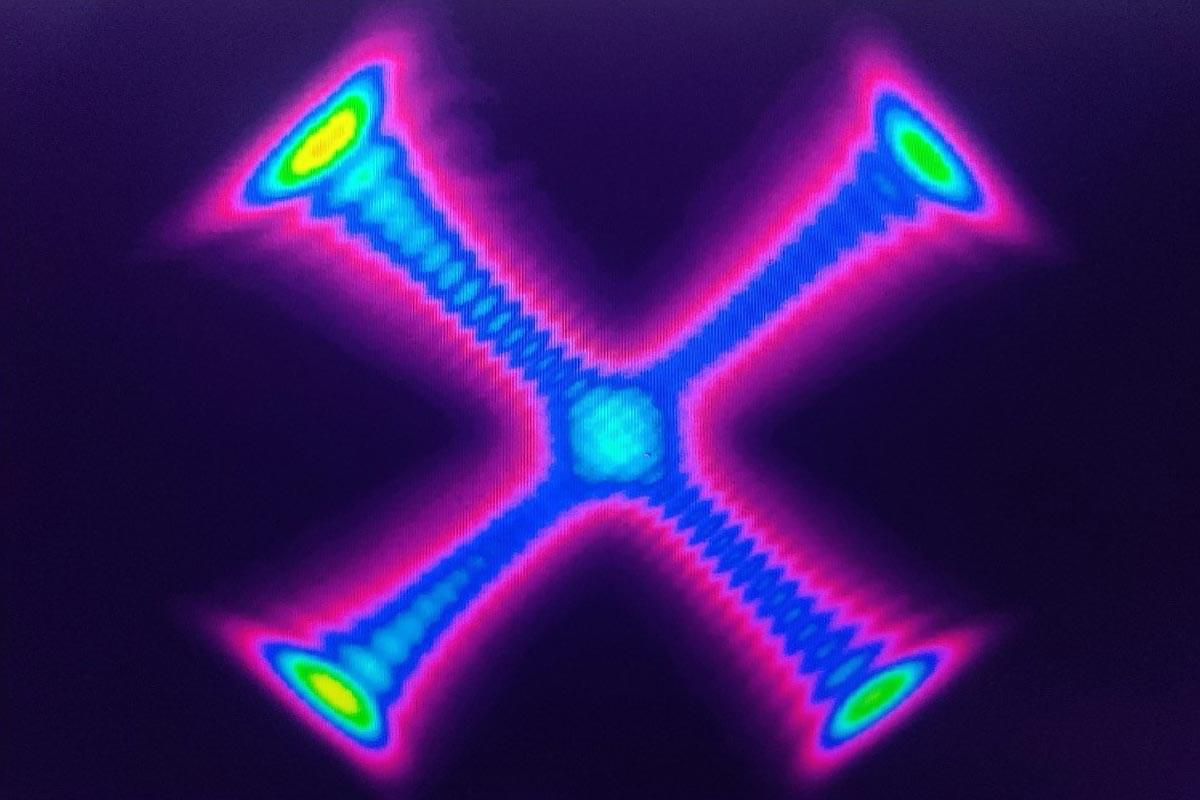
A major European research effort is beginning as Tampere University leads a €4.4 million Doctoral Network focused on high-power optical vortices, a form of twisting light with remarkable potential. The HiPOVor initiative will train 15 doctoral researchers to develop, amplify, and apply these stru

Medra Raises $52 Million to Speed Drug Discovery With AI Robots

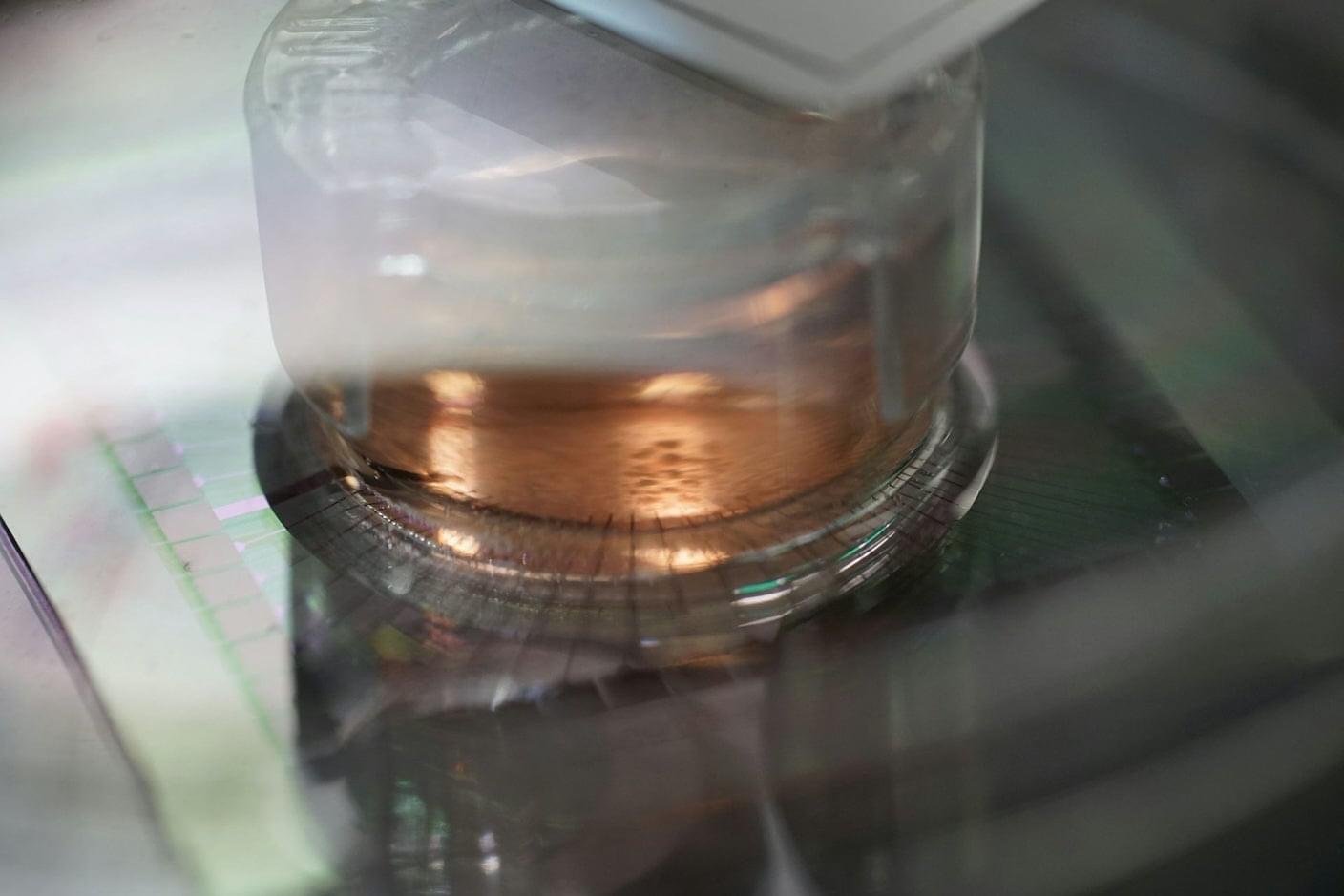
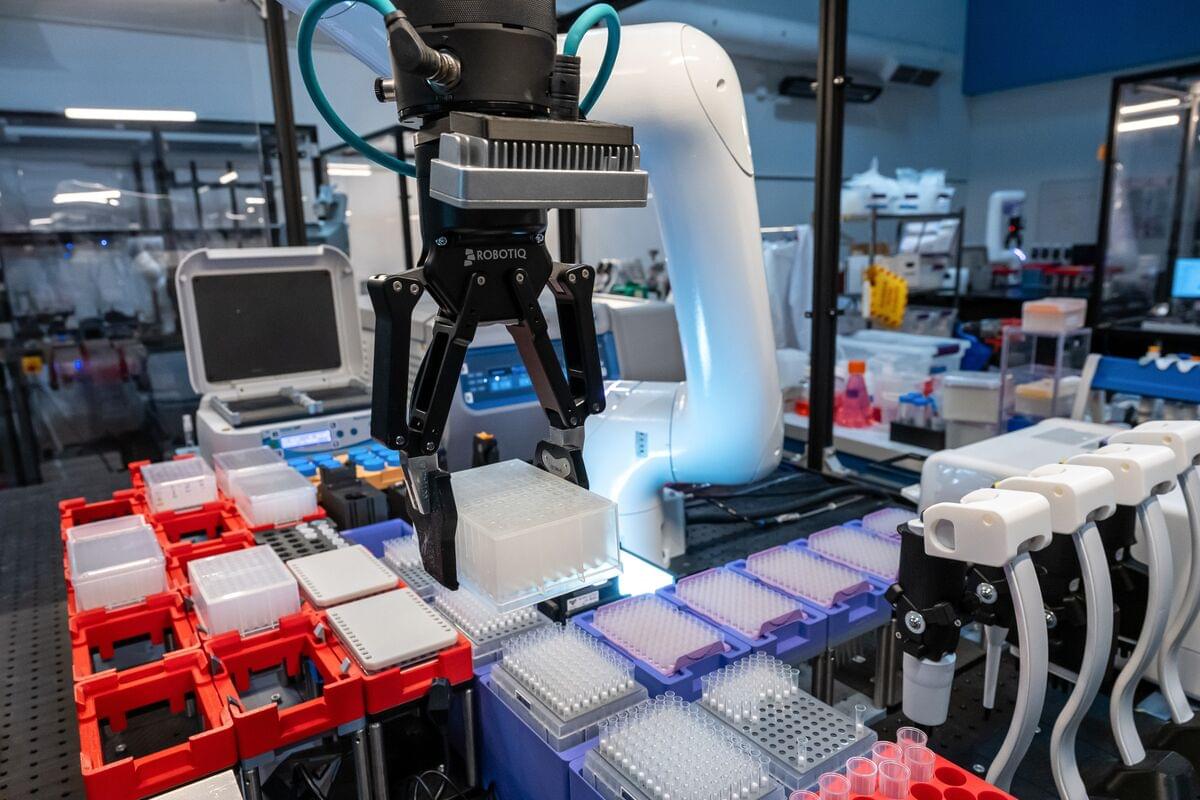
Medra, which programs robots with artificial intelligence to conduct and improve biological experiments, has raised $52 million to build what it says will be one of the largest autonomous labs in the United States.

The deal brings Medra’s total funding to $63 million, including pre-seed and seed financing. Existing investor Human Capital led the new round, which came together just weeks after the company started talking publicly about its work in September, Chief Executive Officer Michelle Lee said in an interview at the company’s San Francisco lab. The company recently signed an agreement to work on early drug discovery with Genentech, a subsidiary of pharmaceutical giant Roche Holding AG.

New Warp-Drive Propulsion Concept Moves Fictional Starships Closer to Engineering Reality

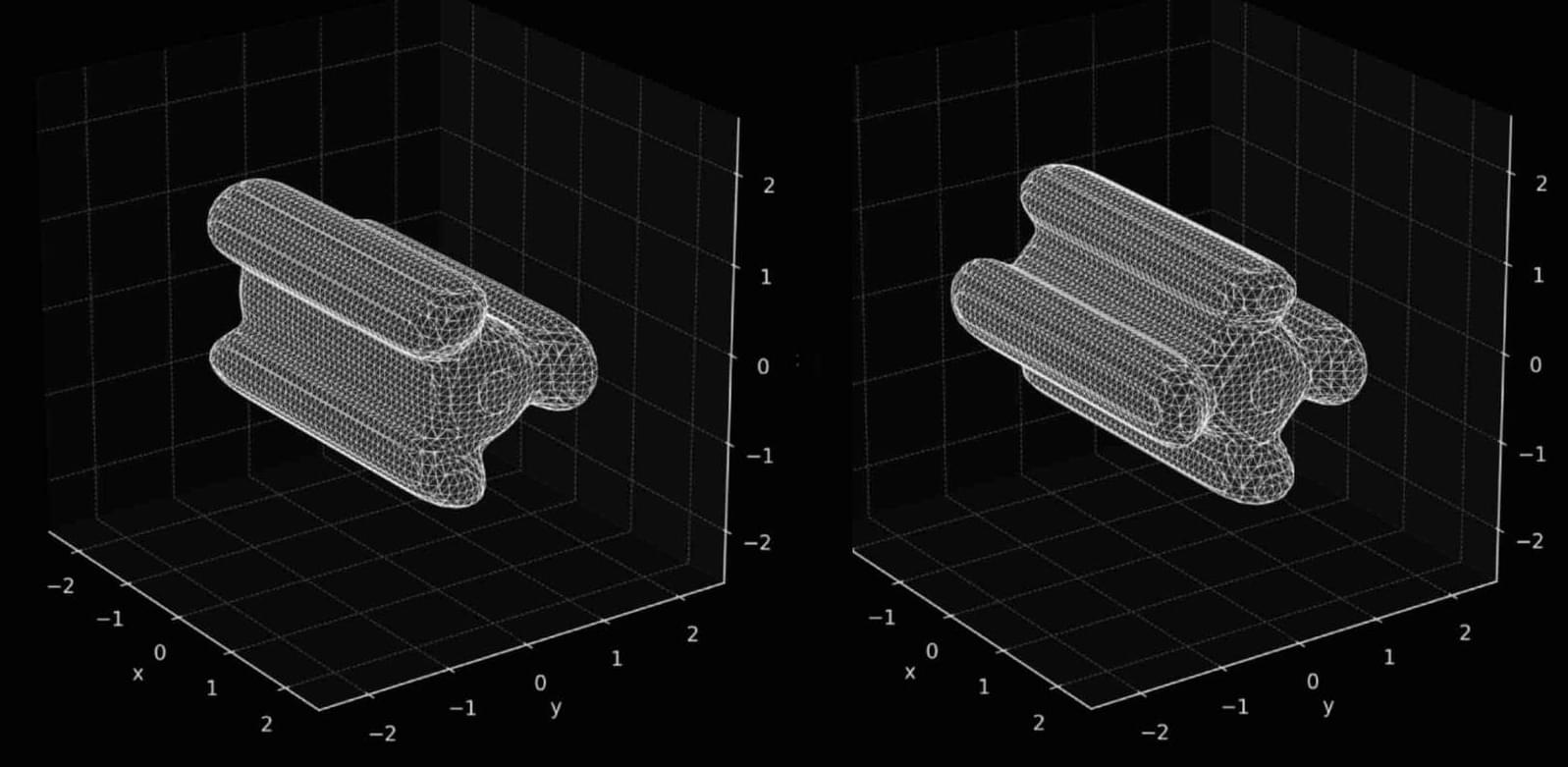
A new warp-drive study proposes a novel segmented design that could sidestep many of the problems in the original decades-old concept, bringing the possibility of hyper-fast space travel one step closer to becoming a reality.

Warp drive theory has quickly evolved since the mid-90s, when a concept developed by Mexican physicist Miguel Alcubierre was first described in a landmark paper that provided a scientific basis for hyper-fast travel within general relativity.

While the concept of warp drives was initially popularized in the futuristic realm depicted in Star Trek, Alcubierre took the idea to paper, shaping the fictional idea into a conceptual reality—one that, someday, could potentially also be realized through advanced engineering.

Scale of living things

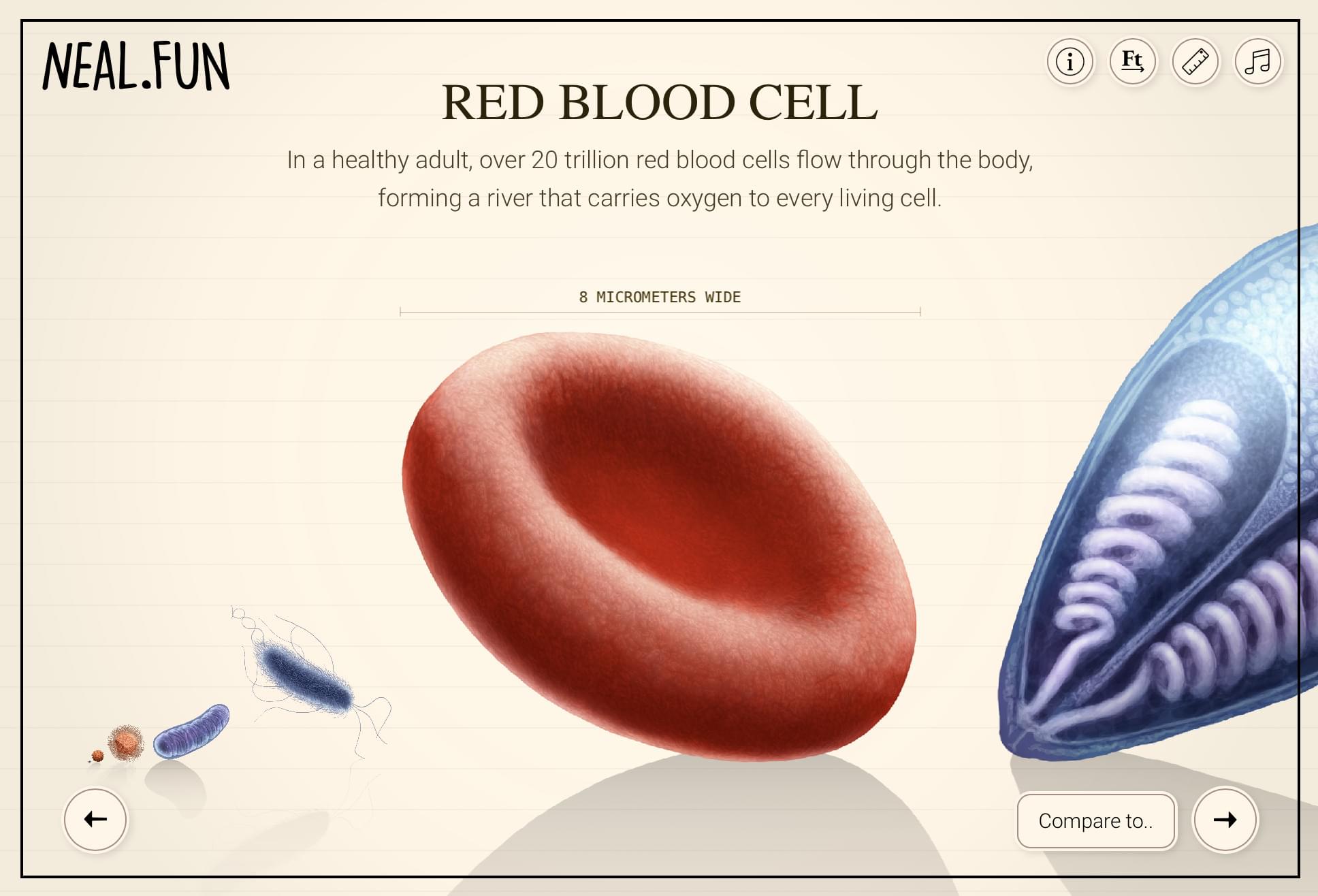
Neal Agarwal published another gift to the internet with Size of Life. It shows the scale of living things, starting with DNA, to hemoglobin, and keeps going up.

The scientific illustrations are hand-drawn (without AI) by Julius Csotonyi. Sound & FX by Aleix Ramon and cello music by Iratxe Ibaibarriaga calm the mind and encourage a slow observation of things, but also grow in complexity and weight with the scale. It kind of feels like a meditation exercise.

See also: shrinking to an atom, the speed of light, and of course the classic Powers of Ten.

Magic moments with John Bell

This was a monumental breakthrough in the philosophy and foundations of quantum mechanics. Bell derived a mathematical inequality that showed if there were any local “hidden variables” (underlying, deterministic factors) explaining the “spooky” correlations in quantum entanglement, those correlations would have to obey certain limits. Experiments inspired by his theorem (starting with Alain Aspect in the early 1980s) have repeatedly shown that these limits are violated, confirming that quantum entanglement is real, non-local, and that nature fundamentally disagrees with Einstein’s idea of “local realism.”


John Bell, with whom I had a fruitful collaboration and warm friendship, is best known for his seminal work on the foundations of quantum physics, but he also made outstanding contributions to particle physics and accelerator physics.
Antibacterial and Immunostimulatory Activity of Potential Probiotic Lactic Acid Bacteria Isolated from Ethiopian Fermented Dairy Products

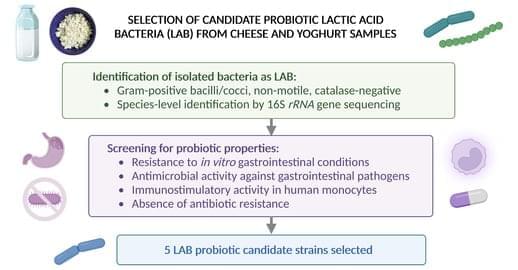
Lactic acid bacteria (LAB) form a group of bacteria to which most probiotics belong and are commonly found in fermented dairy products. Fermented foods and beverages are foods made through desired microbial growth and enzymatic conversions of food components. In this study, 43 LAB were isolated from Ethiopian traditional cottage cheese, cheese, and yogurt and evaluated for their functional and safety properties as candidate probiotics. Twenty-seven isolates, representative of each fermented food type, were selected and identified to the species level. Limosilactobacillus fermentum was found to be the predominant species in all samples studied (70.4%), while 11.1% of isolates were identified as Lactiplantibacillus plantarum. All 27 isolates tested showed resistance to 0.5% bile salt, while 26 strains were resistant to pH 3.

/* */