Toggle light / dark theme

Get the latest international news and world events from around the world.

Log in for authorized contributors

The “Robot Singularity”: When AGI Automates the Physical Economy

Grab the Guide here👉: https://technomics.gumroad.com/l/ai-survival-guide.

Everyone is obsessing over chatbots, but the true Singularity isn’t happening on a screen. It starts the moment super-intelligence gets a body.

In this video, we break down The Robot Singularity: the moment AGI enters the physical economy and makes human labor mathematically obsolete.

Video Timestamps:

00:00 — The Hook: Why Digital AGI is Just the Beginning.

00:48 — The Roadmap: Realizing Science Fiction.

Bose-Einstein Condensate; When Atoms Act As One

Bose–Einstein Condensate (BEC) explained: Cool a dilute gas of atoms to billionths of a degree above absolute zero and they merge into one coherent matter wave—a Bose–Einstein condensate. This video covers laser cooling, magnetic/optical traps, evaporative cooling, the onset of quantum degeneracy, and why a BEC behaves like a superfluid. See signatures: interference fringes, quantized vortices, long coherence length, and frictionless flow. Applications include atom interferometers (precision gravity and rotation sensing), quantum simulation of complex materials, and space-based experiments (ISS Cold Atom Lab). We also touch on first BECs (1995, rubidium/sodium), critical temperature, and why bosons condense while fermions do not.

Controlled colonization of the human gut with a genetically engineered microbial therapeutic

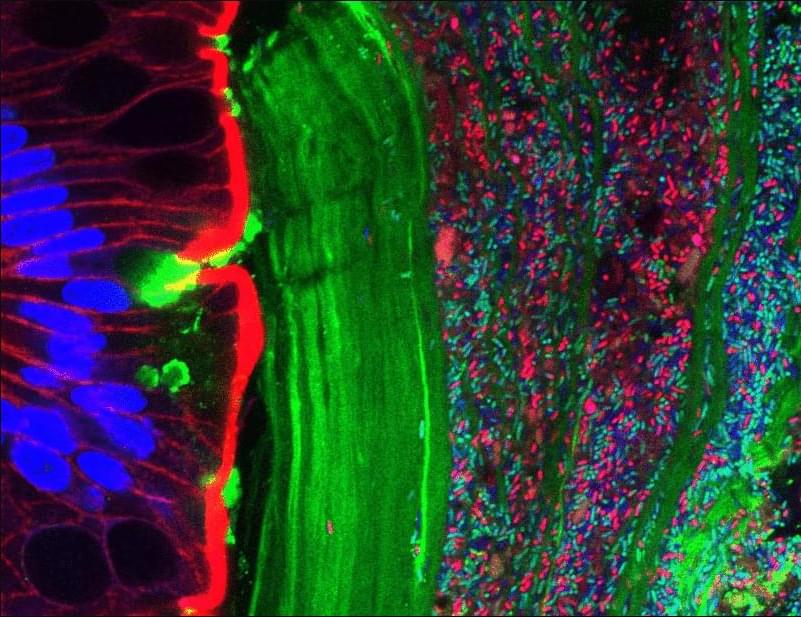
Great paper highlighting key challenges for genetically engineered bacterial therapies in the human gut. It is respectable that this paper was published in Science despite some “negative” results. Although the genetically engineered bacteria were all supposed to die after removal of porphyrin from the diet, they sometimes rebounded. Even with an improved porphyrin pathway which was supposed to resist mutational rebound, the bacteria still persisted in a mouse model, apparently by mysterious non-mutational means. Maybe the microbiomes of the mice somehow supplied porphyrin to the bacteria without the knowledge of the researchers. Furthermore, therapeutic application of the genetically engineered bacteria in humans only resulted in modest (and not statistically significant) decreases in urine oxalate. This was partly due to horizontal gene transfer which replaced the engineered oxalate degradation pathway and partly due to the general fitness burden of the engineered oxalate degradation pathway. As such, this paper revealed a lot of important obstacles which will need to be worked on for bacterial therapies to move forward in the future.

(https://www.science.org/doi/10.1126/science.adu8000)


Precision microbiome programming for therapeutic applications is limited by challenges in achieving reproducible colonic colonization. Previously, we created an exclusive niche that we used to engraft engineered bacteria into diverse microbiota in mice by using a porphyran prebiotic. Building on this approach, we have now engineered conditional attenuation into a porphyran-utilizing strain of Phocaeicola vulgatus by replacing native essential gene regulation with a porphyran-inducible promoter to allow reversible engraftment. Engineering a five-gene oxalate degradation pathway into the reversibly engrafting strain resulted in a therapeutic candidate that reduced hyperoxaluria, a cause of kidney stones, in preclinical models.

Quantum global race: “The word ‘secret’ no longer exists”

Please see this news story on a remarkable new technological cybersecurity breakthrough for mitigating the threats of Q-Day and AI:

#cybersecurity #quantum #tech


The next leap in technology: a quantum computer unlike anything humanity has seen, capable of breaking all encryption and challenging the most crucial national security defenses.
Tal Shenhav from i24NEWS Hebrew channel has the story.

Scientists Think We Could ‘Recharge’ Our Cells—And Rewind the Aging Clock

Think of cells as the biological answer to battery-powered electronics. Mitochondria are the batteries that supply them with enough energy to keep going. Unfortunately, just like the two standard AAs in your remote control, they eventually run out of power and die—but (much like actual batteries) they can also be recharged and replaced.

Breakdown of mitochondria causes cells to glitch. Wear and tear can happen with age, usually from years of exposure to free radicals that cause oxidative stress and inflammation, but can also be caused by injury from degenerative diseases or mitochondrial toxicity from certain drugs and other harmful substances. When there is damage to the cell, mitochondria begin to lose their capacity to generate energy. Losing mitochondria is detrimental to cell function. This is why biomedical engineer Akhilesh Gaharwar and his research team at Texas A&M University have come up with a way to regenerate them.

Aluminum cans are a viable alternative to bottles for red muscadine wine, new study finds

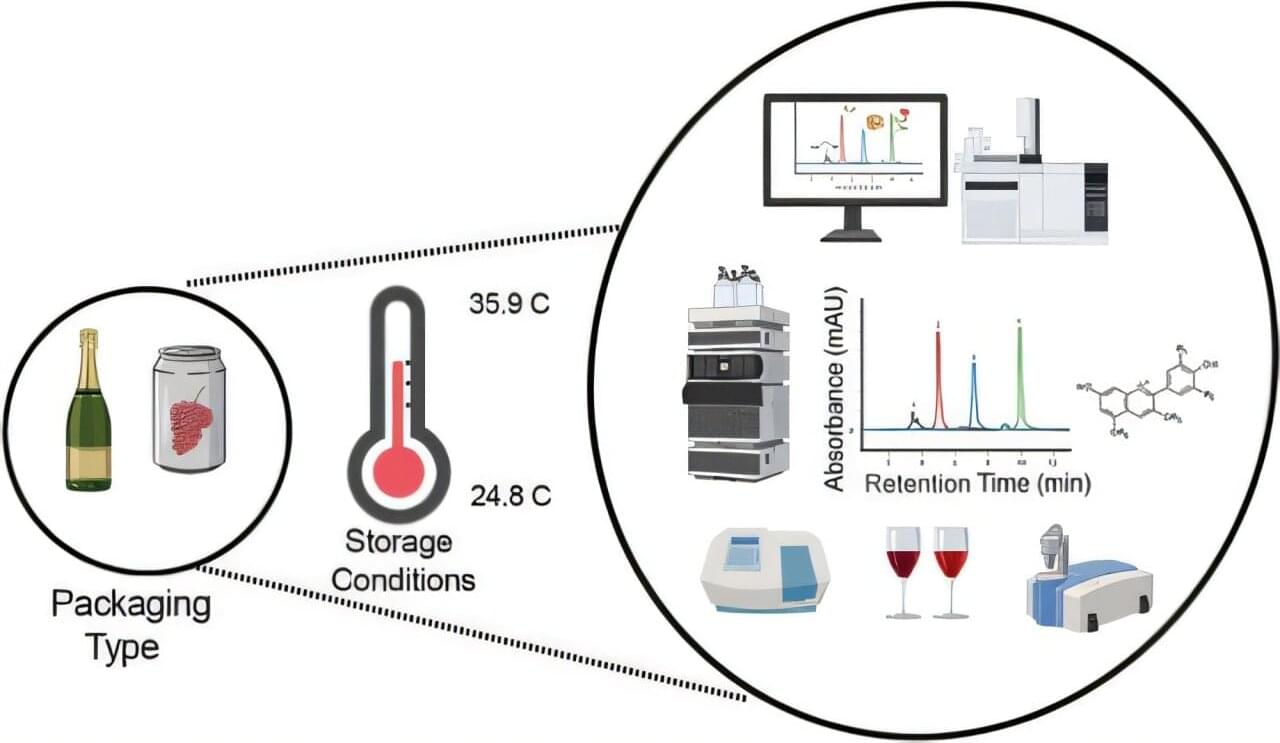
One of the main reasons wine traditionally comes in bottles is to protect its quality. Glass is nonreactive, and the cork or screw cap provides an airtight seal that prevents oxygen from spoiling the liquid. In recent years, a new rival has appeared on the scene—aluminum cans. But there are concerns that the metal may interact with the wine, altering its unique flavor.

However, for red muscadine wine, new research published in ACS Food Science & Technology suggests that cans may be just as effective as glass at keeping the wine fresh.

Sugar-derived crystals show stiffness approaching that of aluminum

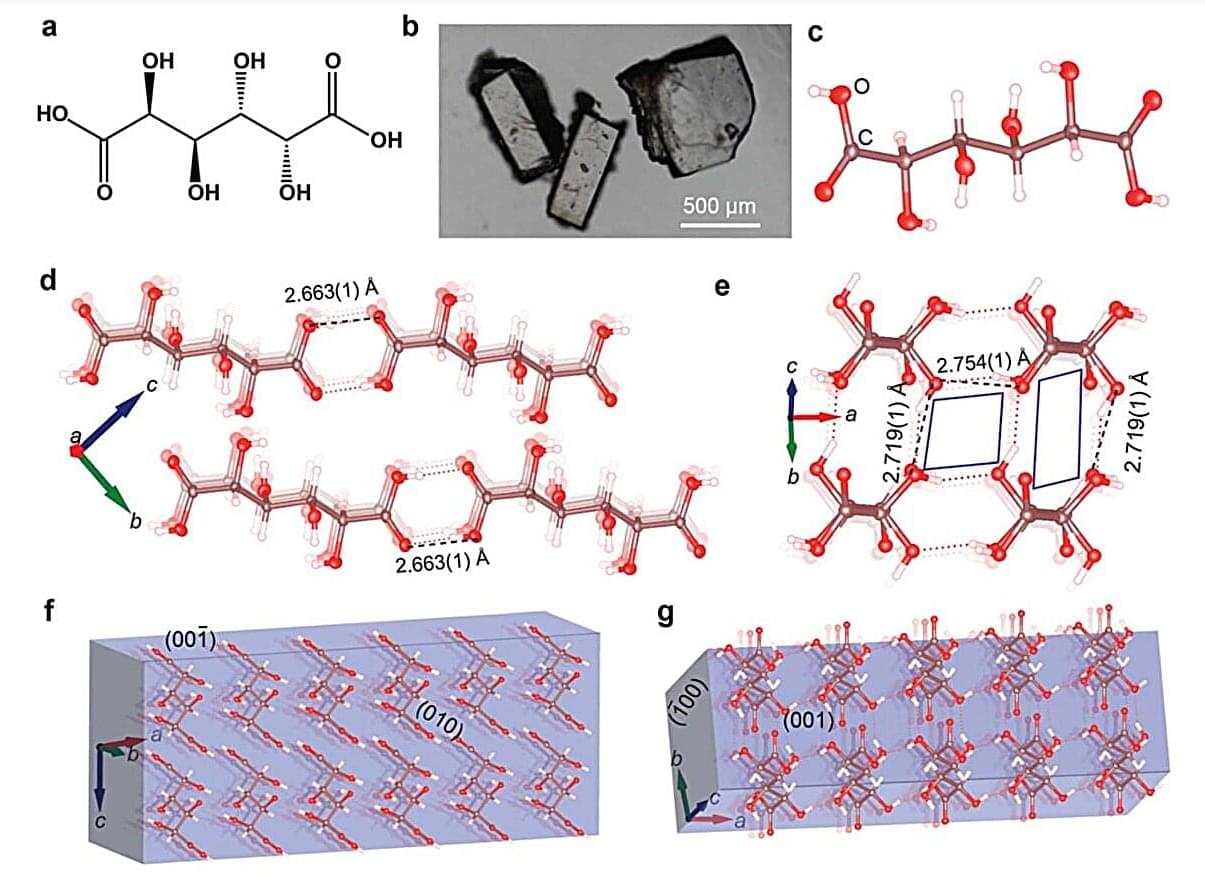
Mucic acid crystals grown from a water-based solution achieved a record-breaking stiffness for an organic crystal.

Stiffness is often described as the measure of resistance to deformation when a material is subjected to an external force. When we think of a stiff material, metals or ceramics usually come to mind, rather than crystals or organic molecules such as sugar or citric acid.

Hydrogen bonds have the ability to make even famously brittle and hard organic crystals ultrastiff.

Breast cancer drug boosts leukemia treatment: Unexpected duo shows promise in overcoming resistance

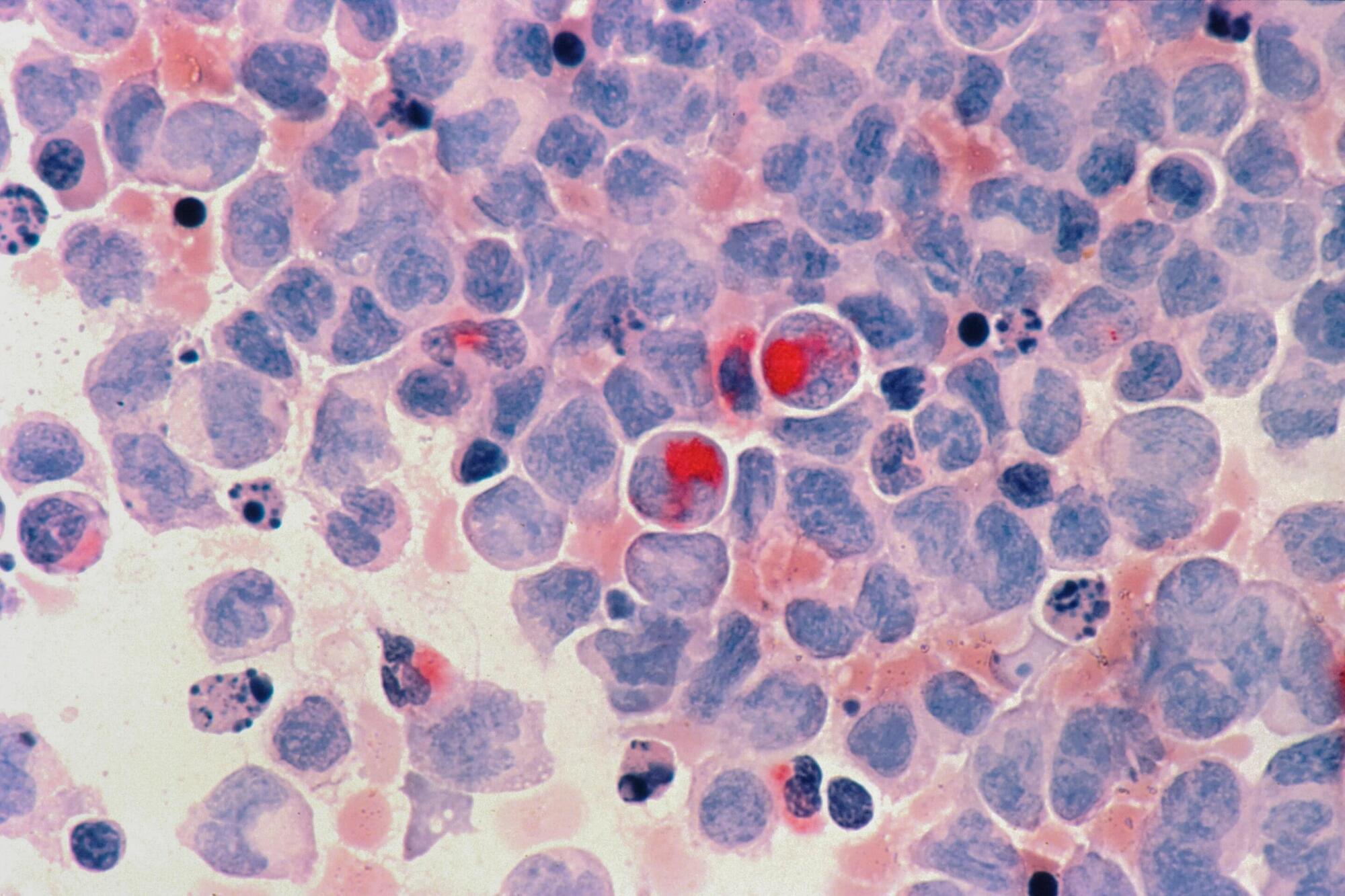
A research team at Oregon Health & Science University has discovered a promising new drug combination that may help people with acute myeloid leukemia overcome resistance to one of the most common frontline therapies.

In a study published in Cell Reports Medicine, researchers analyzed more than 300 acute myeloid leukemia, or AML, patient samples and found that pairing venetoclax, a standard AML drug, with palbociclib, a cell-cycle inhibitor currently approved for breast cancer, produced significantly stronger and more durable anti-leukemia activity than venetoclax alone. The findings were confirmed in human tissue samples, as well as in mouse models carrying human leukemia cells.

“Of the 25 drug combinations tested, venetoclax plus palbociclib was the most effective. That really motivated us to dig deeper into why it works so well—and why it appears to overcome resistance seen with current therapy,” said Melissa Stewart, Ph.D., research assistant professor at OHSU and lead author of the study.
Who Will Buy Starcloud for Datacenters In Space? 🛰️

Questions to inspire discussion.

💰 Q: Which companies are most likely to acquire StarCloud and why? A: Microsoft, Amazon, Google, OpenAI, and Nvidia are prime candidates to acquire StarCloud for billions to gain first-mover advantage in the space data center industry, allowing them to immediately access 20 of the smartest satellite engineers and an operational program to expand rather than building from scratch.

Technical Achievement.

⚡ Q: What technical milestone did StarCloud achieve that validates the space datacenter concept? A: StarCloud’s recent launch demonstrated a space-based NVIDIA H100 data center that is 100 times more powerful than anything previously launched and successfully ran Gemini AI model, marking the dawn of a new era and proving the viability of AI compute power in space.

🛸 Q: What launch advantage does SpaceX have in the space datacenter industry? A: SpaceX currently holds a monopoly on launching data centers into space with competitors like Blue Origin and Rocket Lab still needing to develop capable rockets, while SpaceX’s Starship is expected to remain the cheapest and best option for orbital launches.

Strategic Value.

/* */