Toggle light / dark theme

Get the latest international news and world events from around the world.

Log in for authorized contributors

WhatsApp device linking abused in account hijacking attacks

Threat actors are abusing the legitimate device-linking feature to hijack WhatsApp accounts via pairing codes in a campaign dubbed GhostPairing.

This type of attack does not require any authentication, as the victim is tricked into linking the attacker’s browser to a WhatsApp device.

By doing so, threat actors gain access to the full conversation history and shared media, and may leverage information to impersonate users or commit fraud.

Sonicwall warns of new SMA1000 zero-day exploited in attacks

SonicWall warned customers today to patch a vulnerability in the SonicWall SMA1000 Appliance Management Console (AMC) that was chained in zero-day attacks to escalate privileges.

According to SonicWall, this medium-severity local privilege escalation security flaw (CVE-2025–40602) was reported by Clément Lecigne and Zander Work of the Google Threat Intelligence Group, and doesn’t affect SSL-VPN running on SonicWall firewalls.

“SonicWall PSIRT strongly advises users of the SMA1000 product to upgrade to the latest hotfix release version to address the vulnerability,” the company said in a Wednesday advisory.

Robots that can sense and respond to the world like humans may soon be a reality as scientists have created an artificial neuron capable of mimicking different parts of the brain

Artificial neurons – tiny electronic circuits that replicate the way brain cells communicate – lie at the heart of neuromorphic computing, a field aiming to bring human-like intelligence to machines.

Despite rapid progress, today’s artificial neurons can only perform fixed tasks, each serving a narrow role. Thousands must be combined to replicate simple brain functions – a costly, energy-hungry process compared with the brain’s effortless adaptability.

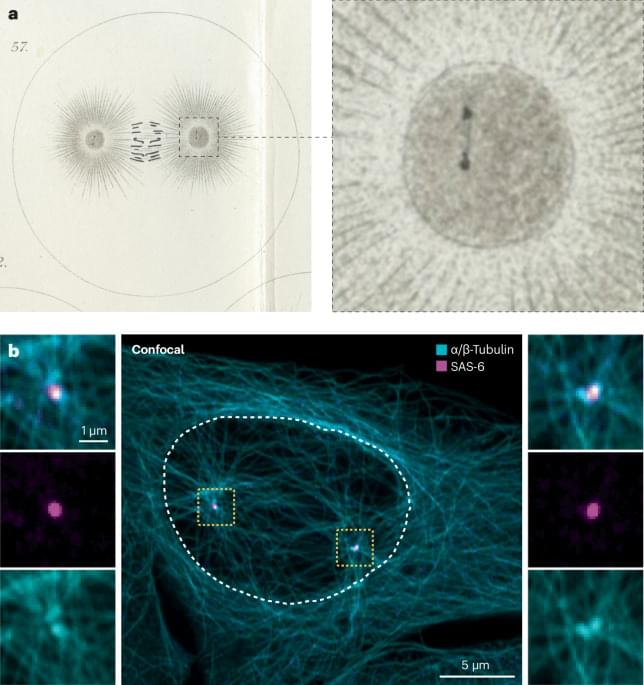
Critical constituents and assembly principles of centriole biogenesis in human cells

The centriole is crucial for fundamental cellular processes in eukaryotes, including cell polarity, signalling and motility. This Review discusses recent insights into the molecular architecture of centrioles and the principles governing their assembly, with a focus on human cells.

Psychedelic Research Shows Promise for Neurological Conditions

Psychedelic research is entering a new era, offering hope for chronic pain, anxiety, hearing loss, and more.

Check out the latest findings here.


New studies show that psychedelics could unlock safer treatments for chronic pain, mood disorders, and even neuroprotection. Explore the latest breakthroughs.

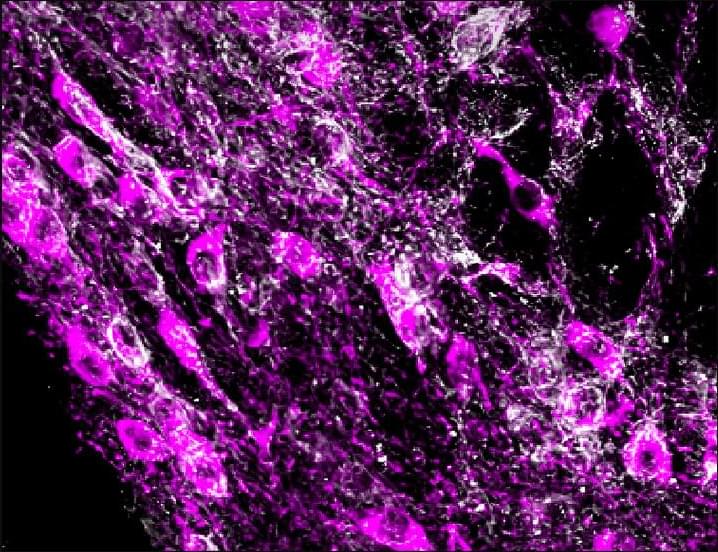
TNF-α signaling mediates the dopaminergic effects of methamphetamine by stimulating dopamine transporters and L-type Ca2+ channels

An inflammatory cytokine in the brain can drive the addictive properties of methamphetamine by triggering the release of dopamine, according to new preclinical work in Science Signaling.


Dopamine release that underlies methamphetamine addiction is driven by the cytokine TNF-α

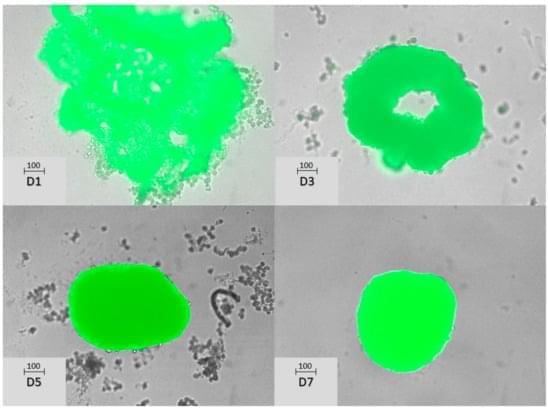
Three-Dimensional Hepatocyte Spheroids: Model for Assessing Chemotherapy in Hepatocellular Carcinoma

Background: Three-dimensional cellular models provide a more comprehensive representation of in vivo cell properties, encompassing physiological characteristics and drug susceptibility. Methods: Primary hepatocytes were seeded in ultra-low attachment plates to form spheroids, with or without tumoral cells. Spheroid structure, cell proliferation, and apoptosis were analyzed using histological staining techniques. In addition, extracellular vesicles were isolated from conditioned media by differential ultracentrifugation. Spheroids were exposed to cytotoxic drugs, and both spheroid growth and cell death were measured by microscopic imaging and flow cytometry with vital staining, respectively. Results: Concerning spheroid structure, an active outer layer forms a boundary with the media, while the inner core comprises a mass of cell debris.

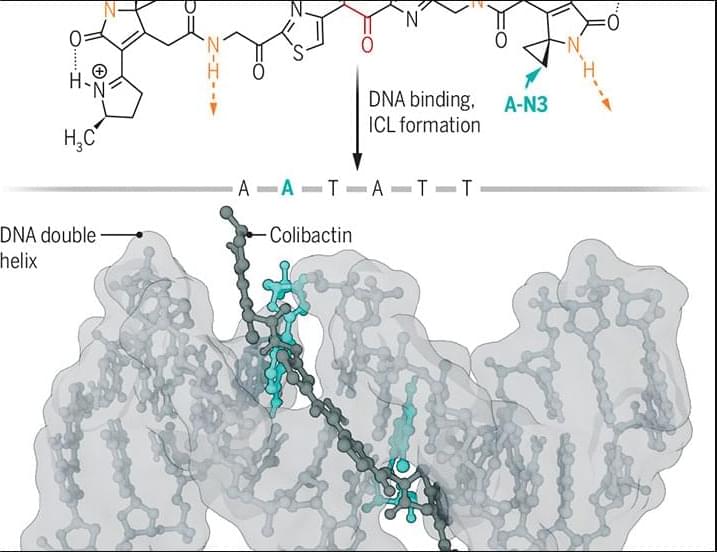
Molecular basis of DNA cross-linking by bacteria

The relevance of the gut microbiome, the community of microorganisms living in the digestive tract, to human health is a topic of intense interest. However, among the numerous benevolent bacteria living in the gut, there are some species that are harmful to humans.

For example, certain strains of Escherichia coli produce the genotoxin colibactin, which causes DNA damage and is linked with colon cancer. However, the colibactin molecule is complex and unstable, which has made it challenging to elucidate its chemical structure and the mechanism by which it damages DNA. In the culmination of years of research from multiple laboratories, researchers in a new Science study reveal the structure of the active form of colibactin bound to DNA.

The findings go a long way toward explaining the mutation signatures associated with colibactin exposure and provide substantial insight into how colibactin contributes to colorectal carcinogenesis.

Learn more in a new Science Perspective.


The structure of the bacterial genotoxin colibactin bound to DNA shows how it might contribute to cancer risk.

Orlando D. Schärer Authors Info & Affiliations

Swen Vincke says the price of RAM and SSDs means Larian will be doing lots of optimisation in Divinity’s early access ‘that we didn’t necessarily want to do at that point in time’

Maybe that big flesh pillar’s the result of trying to download more?

/* */