Toggle light / dark theme

Get the latest international news and world events from around the world.

Log in for authorized contributors

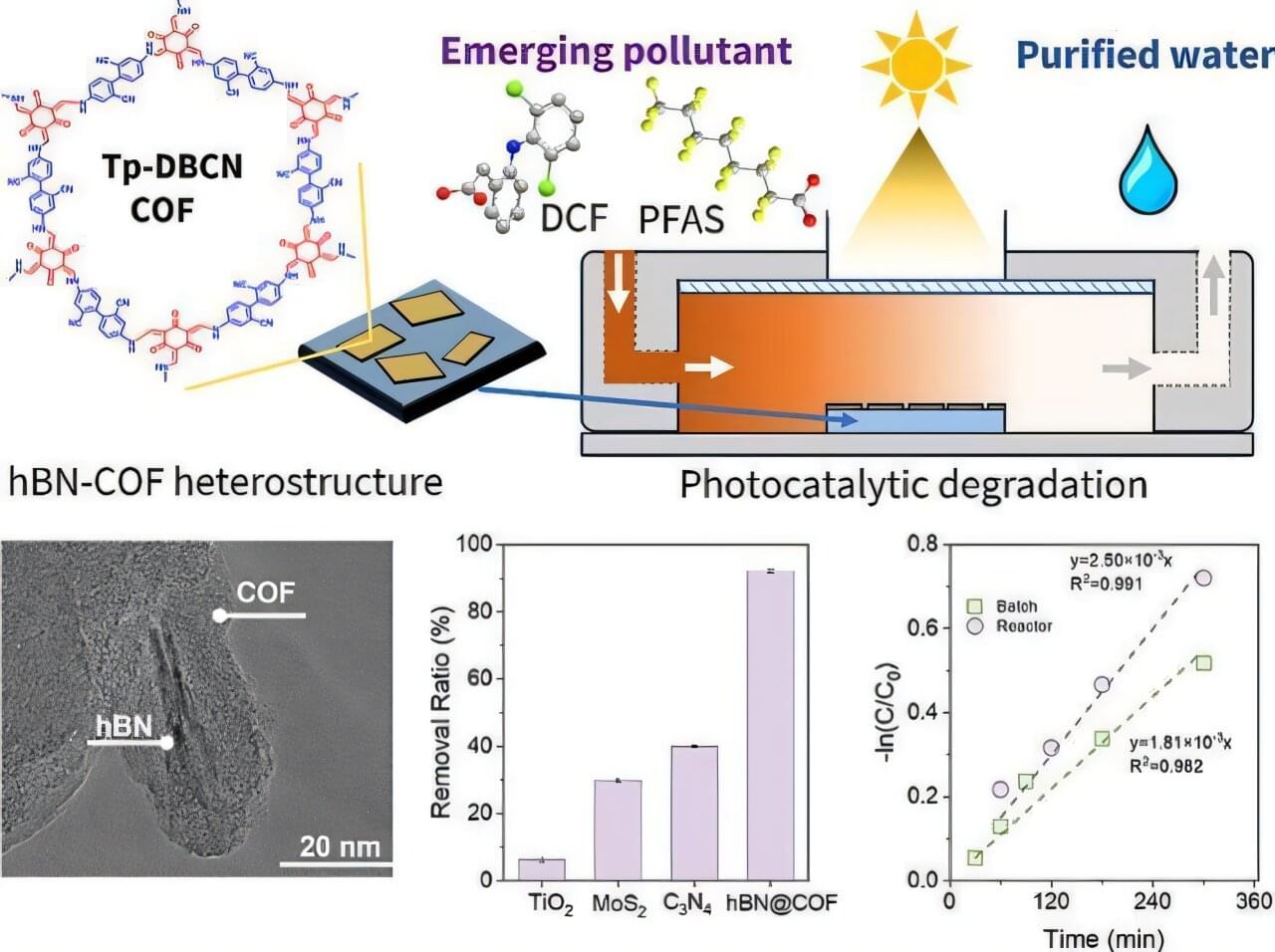
Engineered material uses light to destroy PFAS and other contaminants in water

Materials scientists at Rice University and collaborators have developed a material that uses light to break down a range of pollutants in water, including per- and polyfluoroalkyl substances, or PFAS, the “forever chemicals” that have garnered attention for their pervasiveness.

When neural spikes break time’s symmetry: Linking the information-theoretic cost of brain activity to behavior

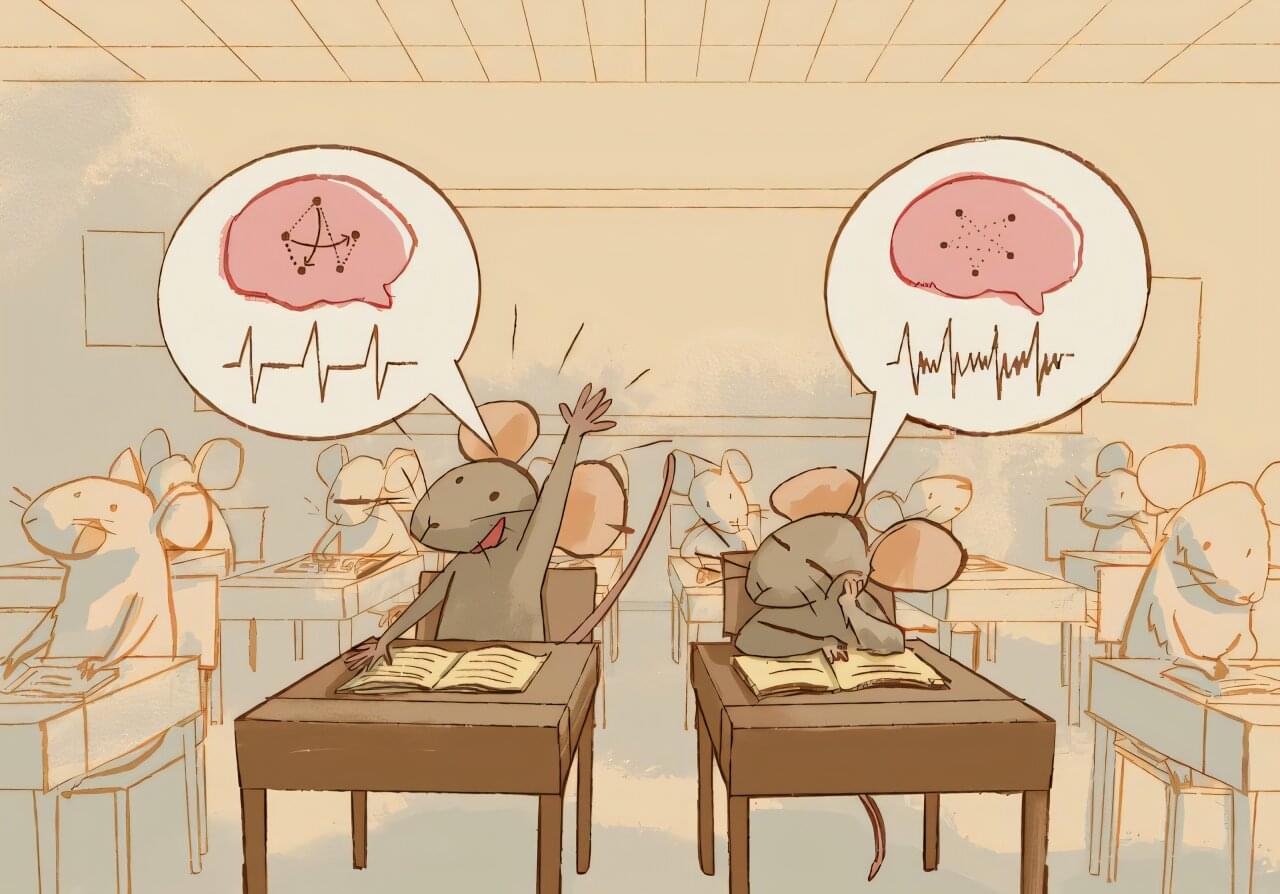
What if we could peer into the brain and watch how it organizes information as we act, perceive, or make decisions? A new study has introduced a method that does exactly this—not just by looking at fine-grained neuronal spiking activity, but by characterizing its collective dynamics using principles from thermodynamics.

A team from Kyoto University and Hokkaido University developed a new statistical framework capable of tracing directional, nonequilibrium neural dynamics directly from large-scale spike recordings, enabling them to show how neurons dissipate entropy as they compute. Their findings reveal how neurons dynamically reshape their interactions during behavior and how the brain’s internal “temporal asymmetry” shifts during task engagement, shedding light on how efficient computation arises. The work is published in Nature Communications.

AI helps explain how covert attention works and uncovers new neuron types

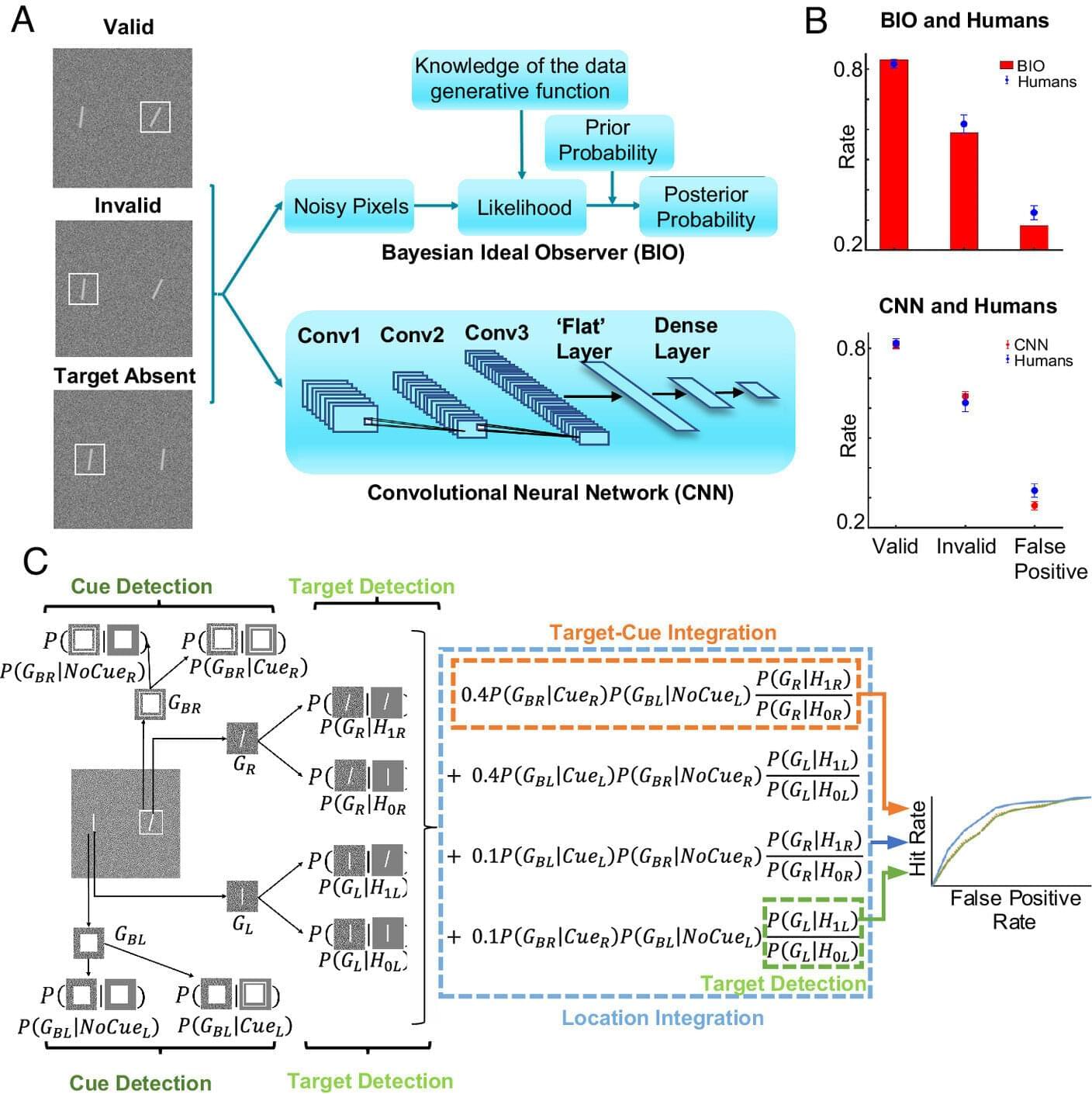
Shifting focus on a visual scene without moving our eyes—think driving, or reading a room for the reaction to your joke—is a behavior known as covert attention. We do it all the time, but little is known about its neurophysiological foundation.

Now, using convolutional neural networks (CNNs), UC Santa Barbara researchers Sudhanshu Srivastava, Miguel Eckstein and William Wang have uncovered the underpinnings of covert attention, and in the process, have found new, emergent neuron types, which they confirmed in real life using data from mouse brain studies.

“This is a clear case of AI advancing neuroscience, cognitive sciences and psychology,” said Srivastava, a former graduate student in the lab of Eckstein, now a postdoctoral researcher at UC San Diego.
Sub-millimeter-sized robots can sense, ‘think’ and act on their own

Robots small enough to travel autonomously through the human body to repair damaged sites may seem the stuff of science fiction dreams. But this vision of surgery on a microscale is a step closer to reality, with news that researchers from the University of Pennsylvania and the University of Michigan have built a robot smaller than a millimeter that has an onboard computer and sensors.

Scientists have been trying for decades to develop microscopic robots, not only for medical applications but also for environmental monitoring and manufacturing. However, they have faced formidable challenges. Existing microbots typically require large, external control systems, such as powerful magnets and lasers, and cannot make autonomous decisions in unfamiliar environments.

How 3D printing creates stronger vehicle parts by solving aluminum’s high-temperature weakness

Aluminum is prized for being lightweight and strong, but at high temperatures it loses strength. This has limited its use in engines, turbines, and other applications where parts must stay strong under high temperature conditions. Researchers at Nagoya University have developed a method that uses metal 3D printing to create a new aluminum alloy series optimized for high strength and heat resistance. All new alloys use low-cost, abundant elements, and are recycling-friendly, with one variant staying both strong and flexible at 300° C.

The study is published in Nature Communications.

The hidden physics of knot formation in fluids

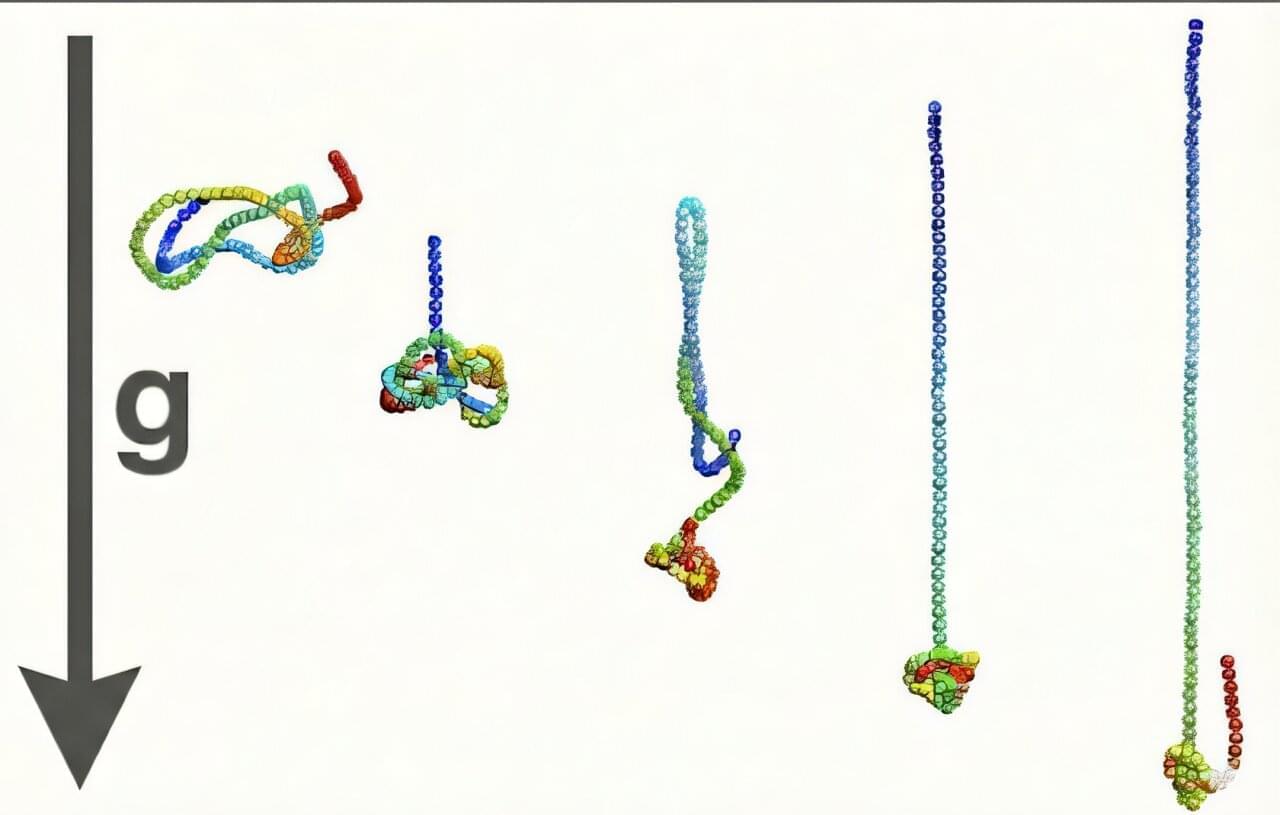
Knots are everywhere—from tangled headphones to DNA strands packed inside viruses—but how an isolated filament can knot itself without collisions or external agitation has remained a longstanding puzzle in soft-matter physics.

Now, a team of researchers at Rice University, Georgetown University and the University of Trento in Italy has uncovered a surprising physical mechanism that explains how a single filament, even one too short or too stiff to easily wrap around itself, can form a knot while sinking through a fluid under strong gravitational forces.

The discovery, published in Physical Review Letters, provides new insight into the physics of polymer dynamics, with implications ranging from understanding how DNA behaves under confinement to designing next-generation soft materials and nanostructures.

Dark matter search narrows as detector sets new limits and spots solar neutrinos

Australian researchers have played a central role in a landmark result from the LUX-ZEPLIN (LZ) experiment in South Dakota—the world’s most sensitive dark matter detector. Today, scientists working on the experiment report they have further narrowed constraints on proposed dark matter particles. And, for the first time, the experiment has detected elusive neutrinos produced deep inside the sun.

Scientists hypothesize that dark matter makes up about a quarter of the universe’s mass (or 85% of its matter) but have yet to detect exactly what makes up this strange phenomenon. The result announced today by the LZ experiment is one of the world’s most sensitive measurements in the hunt for dark matter. It has expanded its search for WIMPs (weakly interacting massive particles) down to masses approximately between that of three and nine times that of a proton, the positively charged particle in the nucleus of an atom.

Dr. Theresa Fruth, from the University of Sydney’s School of Physics, is one of only two Australian-based researchers in the 250-member international collaboration.

3D-printed helixes show promise as THz optical materials

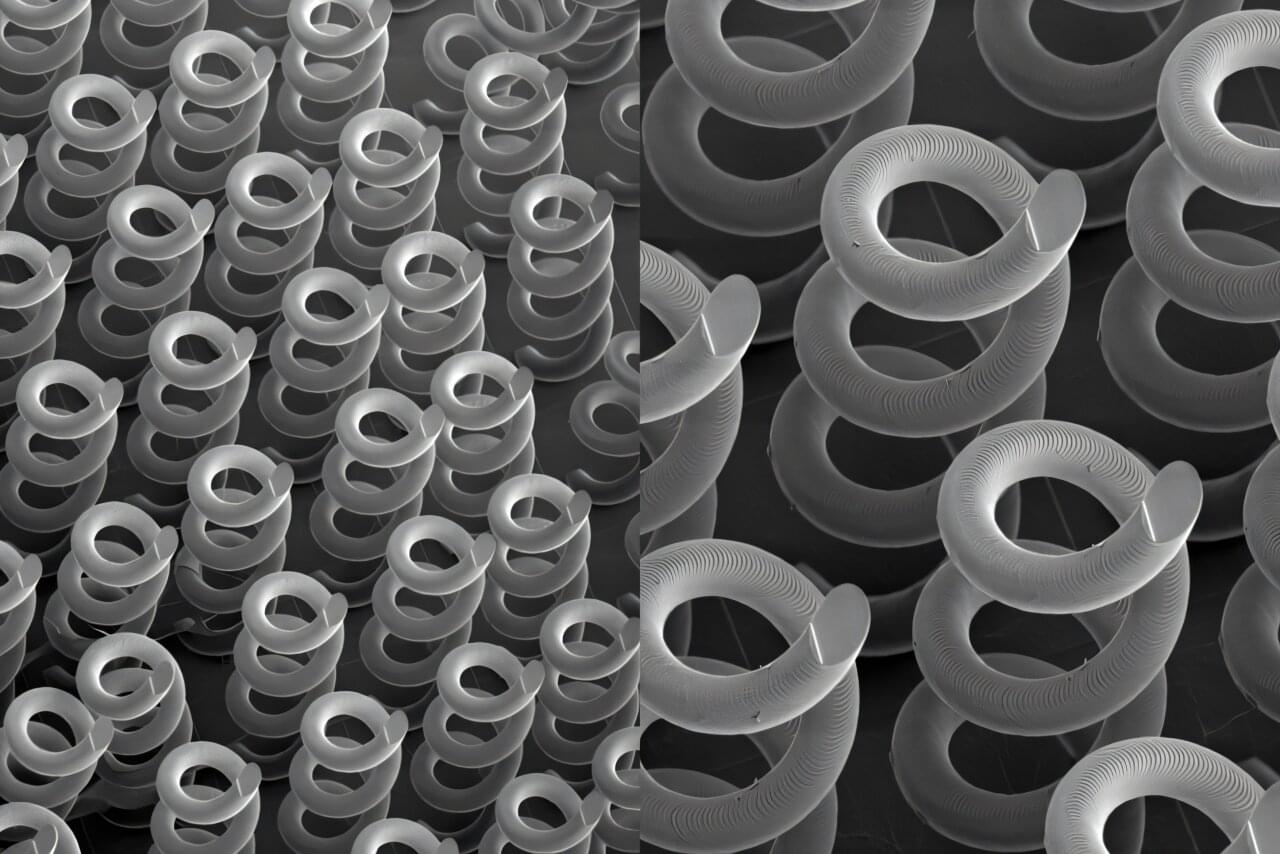
Researchers at Lawrence Livermore National Laboratory (LLNL) have optimized and 3D-printed helix structures as optical materials for terahertz (THz) frequencies, a potential way to address a technology gap for next-generation telecommunications, non-destructive evaluation, chemical/biological sensing and more.

The printed microscale helices reliably create circularly polarized beams in the THz range and, when arranged in patterned arrays, can function as a new type of Quick Response (QR) for advanced encryption/decryption. Their results, published in Advanced Science, represent the first full parametric analysis of helical structures for THz frequencies and show the potential of 3D printing for fabricating THz devices.

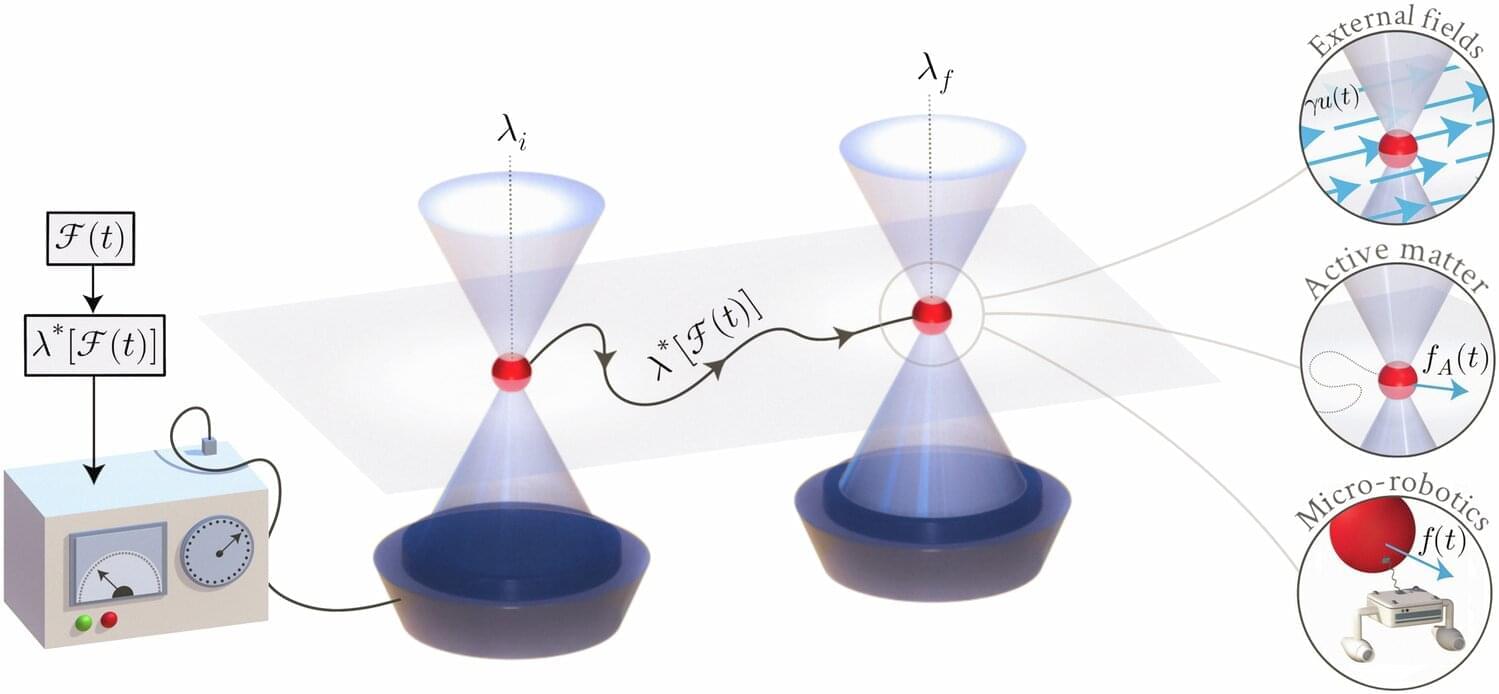
Tiny particles ‘surf’ microcosmic waves to save energy in chaotic environments

Conditions can get rough in the micro- and nanoworld. For example, to ensure that nutrients can still be optimally transported within cells, the minuscule transporters involved need to respond to the fluctuating environment. Physicists at Heinrich Heine University Düsseldorf (HHU) and Tel Aviv University in Israel have used model calculations to examine how this can succeed. They have now published their results—which could also be relevant for future microscopic machines—in the journal Nature Communications.

AI helps solve decades-old maze in frustrated magnet physics

The study, conducted by Brookhaven theoretical physicist Weiguo Yin and described in a recent paper published in Physical Review B, is the first paper emerging from the “AI Jam Session” earlier this year, a first-of-its-kind event hosted by DOE and held in cooperation with OpenAI to push the limits of general-purpose large language models applied to science research. The event brought together approximately 1,600 scientists across nine host locations within the DOE national laboratory complex. At Brookhaven, more than 120 scientists challenged and evaluated the capabilities of OpenAI’s latest step-based logical reasoning AImodel built for complex problem solving.

Yin’s AI study focused on a class of advanced materials known as frustrated magnets. In these systems, the electron spins—the tiny magnetic moments carried by each electron—cannot settle on an orientation because competing interactions pull them in different directions. These materials have unique and fascinating properties that could translate to novel applications in the energy and information technology industries.

/* */