Toggle light / dark theme

Get the latest international news and world events from around the world.

Log in for authorized contributors

Soft robots go right to the site of kidney stones

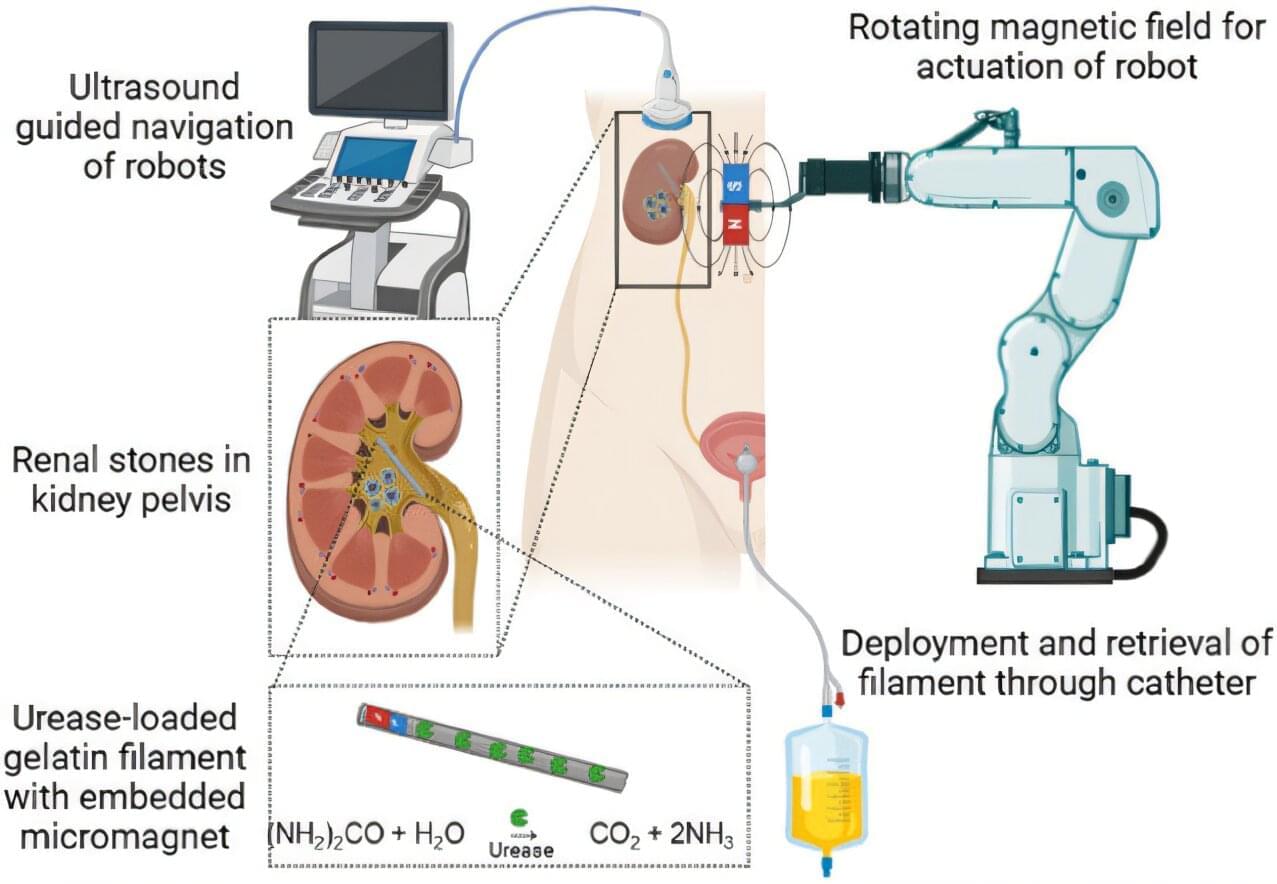
An international research team led by the University of Waterloo is developing technology to dissolve painful kidney stones in the urinary tract using tiny robots. The research is published in the journal Advanced Healthcare Materials.

The new technique, tested in a life-size, 3D-printed model, features thin, spaghetti-like strips fitted with magnets that can be moved into place near uric acid with a operated by doctors.

The soft, flexible robot strips are about a centimeter long and contain an enzyme called urease. Once in place, the urease reduces the acidity of the surrounding urine, thereby dissolving stones until they are small enough to pass naturally in just a few days.
Molecular mechanisms show how the blood-brain barrier gets leakier with age

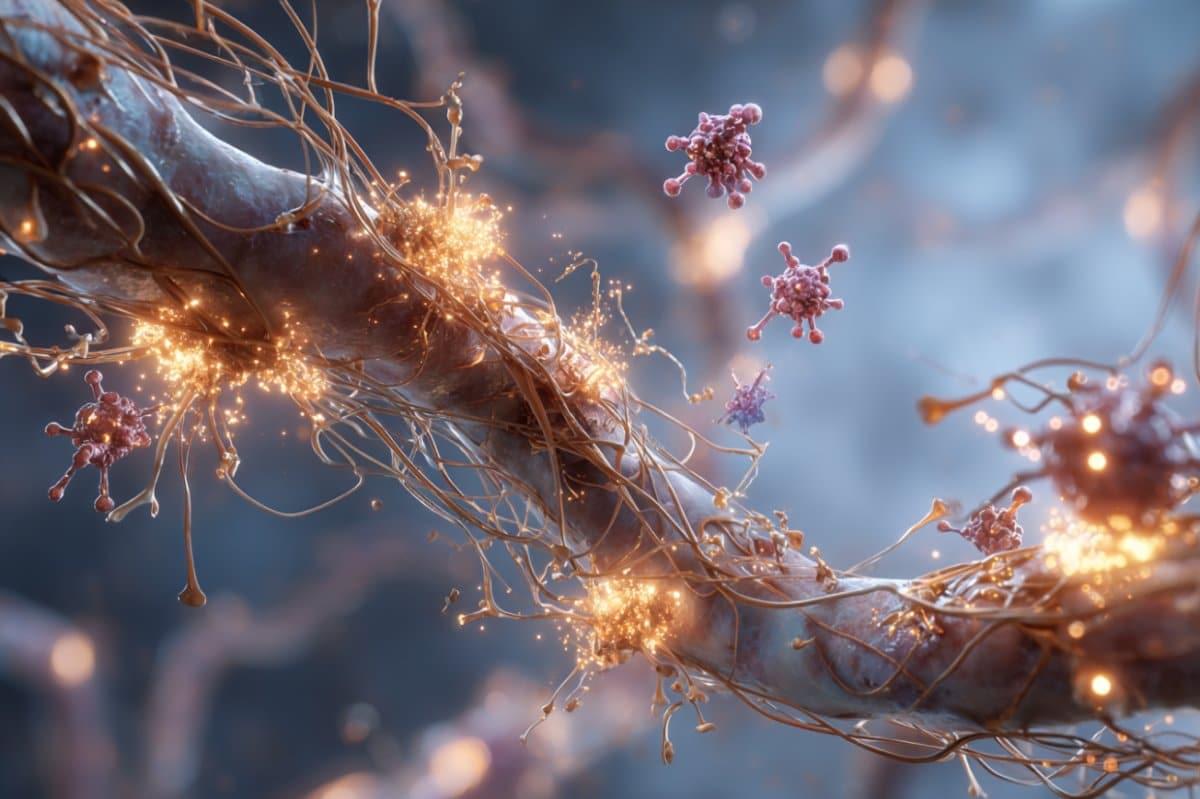
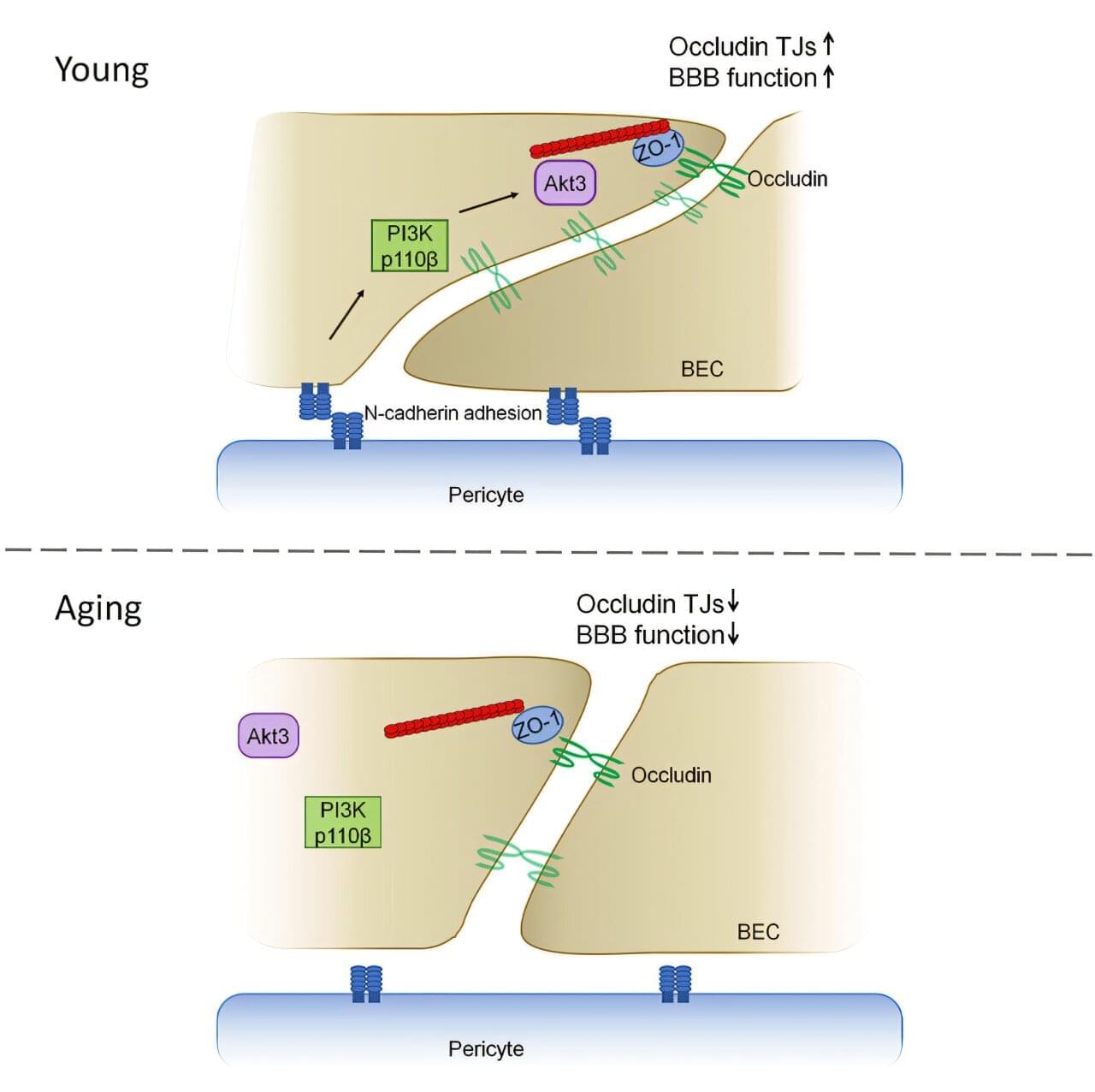
A new study from researchers at the University of Illinois Chicago reveals how the blood-brain barrier gets leakier with age, contributing to memory deficits. The study, published in Cell Reports, uncovered the molecular mechanisms behind this process and could provide new therapeutic targets to address cognitive decline earlier in the aging process.

The is a layer of cells lining the brain’s blood vessels that keep viruses, bacteria and toxins out while allowing helpful nutrients and chemicals in. A key structure of the blood-brain barrier are tight junctions that act as bridges between cells, restricting entry of molecules. A protein called occludin helps fulfill this essential role.

“It’s a highly regulatable process that allows some molecules to go through and others to remain in circulation,” said Yulia Komarova, UIC associate professor in the department of pharmacology and at the College of Medicine and senior author of the study. “Basically, it’s a mechanism that separates the central nervous system from everything else.”

Vitamin D supplements may slow biological aging

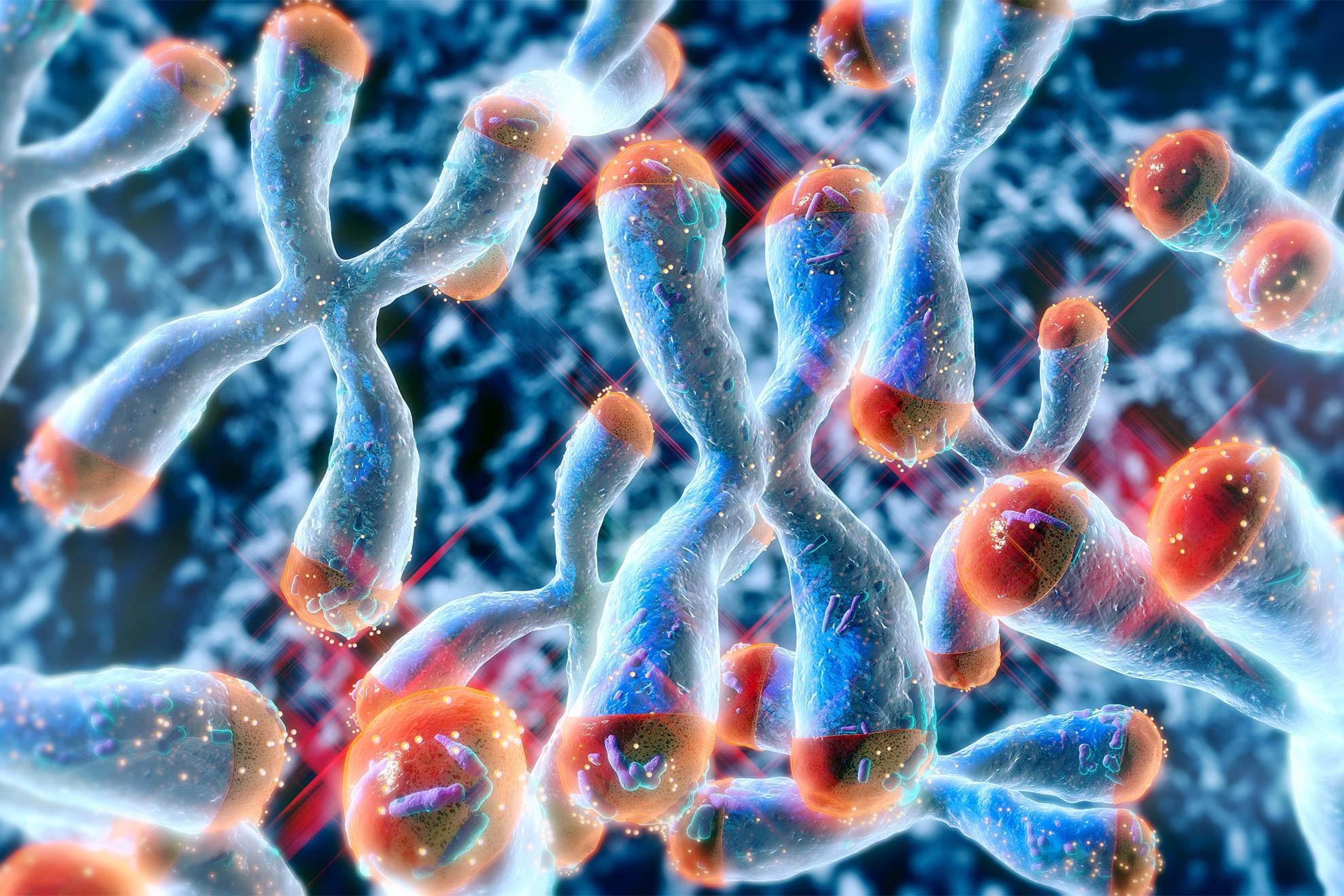
Results from a randomized controlled trial reveal that vitamin D supplementation helps maintain telomeres, protective caps at the ends of chromosomes that shorten during aging and are linked to the development of certain diseases.

The new report, which is published in The American Journal of Clinical Nutrition, is based on data from a VITAL (VITamin D and OmegA-3 TriaL) sub-study co-led by researchers at the Harvard-affiliated Mass General Brigham and the Medical College of Georgia, and supports a promising role in slowing a pathway for biological aging.

“VITAL is the first large-scale and long-term randomized trial to show that vitamin D supplements protect telomeres and preserve telomere length,” said co-author JoAnn Manson, the principal investigator of VITAL and chief of the Division of Preventive Medicine at Harvard-affiliated Brigham and Women’s Hospital and the Michael and Lee Bell Professor of Women’s Health at Harvard Medical School.


Trial shows protection against telomere shortening, which heightens disease risk.

/* */