Join us on this fascinating journey as we delve into the world of 3D printing and bring a brain to life. From designing the complex neural networks to layer by layer printing, we’ll take you through the entire process of creating a realistic brain replica using cutting-edge 3D printing technology. Witness the intricate details and textures that make this brain model a true marvel of modern innovation. Whether you’re a science enthusiast, a 3D printing aficionado, or simply curious about the possibilities of additive manufacturing, this video is sure to leave you amazed and inspired. So, sit back, relax, and get ready to explore the incredible world of 3D printing.
Get the latest international news and world events from around the world.
World’s first 3D-printed brain tissue that mirrors human brain function
🧠💡 Thinking about organ transplants?
🔬 A team of scientists at the University of Wisconsin–Madison has achieved a groundbreaking milestone!
🌐 They’ve developed the world’s first 3D-printed brain tissue that mirrors human brain function.
🚀 This is a giant leap forward for research into neurological and neurodevelopmental disorders.
🖨️ Utilizing a horizontal layering technique and a softer bio-ink, this 3D-printing method allows neurons to weave together, forming networks similar to those in the human brain.
🔍 This precision in controlling cell types and arrangements opens new doors for studying neurological conditions, including Alzheimer’s and Parkinson’s disease.
Scientists 3D Print Human Brain Tissue for the First Time
#HumanBrain #TechNews #3DPrinter


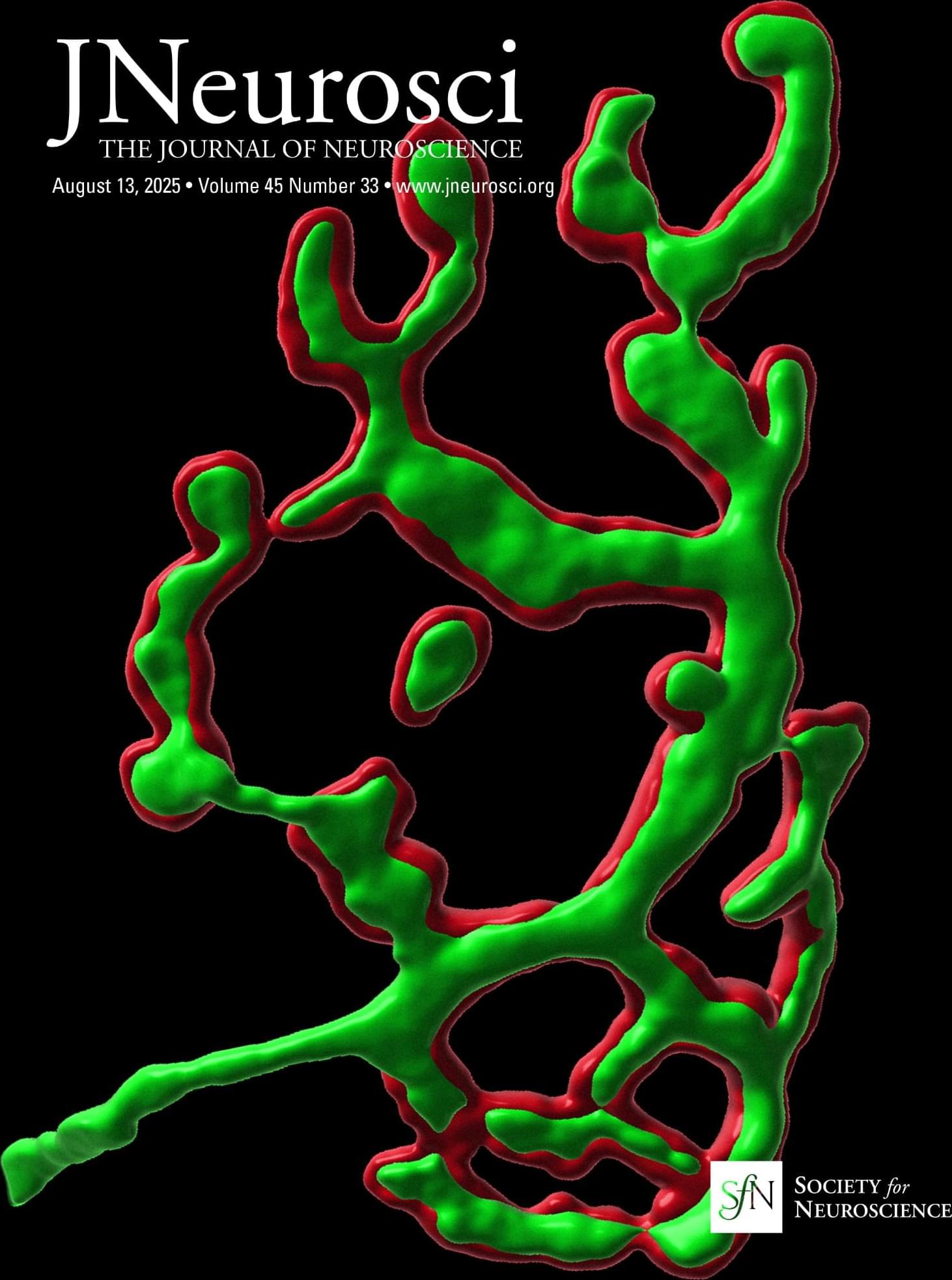
Activation of Dopamine D1 Receptors at the Axon Initial Segment-Like Process of Retinal AII Amacrine Cells Modulates Action Potential Firing
JNeurosci: Results from Veruki et al. show that activation of D1 receptors in rats reduces the excitability of AII amacrines by increasing the threshold of action potential initiation, suggesting a new role for DA in the retina.
🔗
Dopamine is an important neuromodulator found throughout the central nervous system that can influence neural circuits involved in sensory, motor, and cognitive functions. In the retina, dopamine is released by specific amacrine cells and plays a role in reconfiguring circuits for photopic vision. This adaptation takes place both in photoreceptors and at postreceptoral sites. The AII amacrine cell, which plays a crucial role for transmission of both scotopic and photopic visual signals, has been considered an important target of dopaminergic modulation, expressed as a change in the strength of electrical coupling mediated by gap junctions between the AIIs. It has been difficult, however, to find clear evidence for expression of dopamine receptors by AII amacrines.