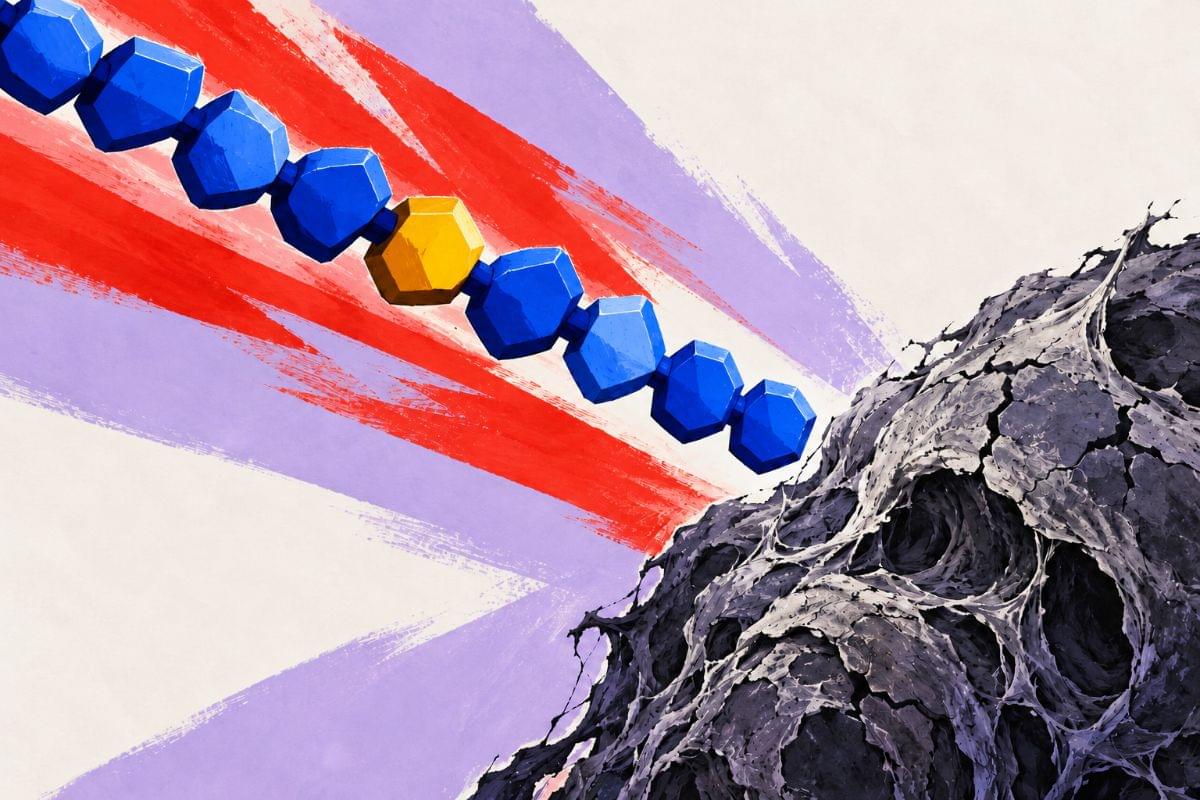
Wyler, S.C. et al. identify a critical neuronal population that is required for GPR75 to exert its obesogenic effects using targeted deletion and reactivation of Gpr75 in glutamatergic neurons.
In 2026 we will have first application of Yamanaka Factors
in Humans, in human eye. This will open a door to further
development in the field of cellular reprograming, aiming
full body rejuvenation in not so far future.
This is the time to take care of your health and your loved one.
Healthier and longer life is already here.
Dear Lifeboaters! My book ***Why Space? The Purpose of People*** just hit #1 in Astronomy of the Universe on Amazon! Help us keep it there: grab a copy today — or if you already have one, share this post, buy copies for friends and your team, and PLEASE leave a review if you like it. BTW — the KIndle version is FREE with a subscription!
Link to Amazon in comments.
Why Space?: The Purpose of People — Kindle edition by Tumlinson, Rick N… Religion & Spirituality Kindle eBooks @ Amazon.com.
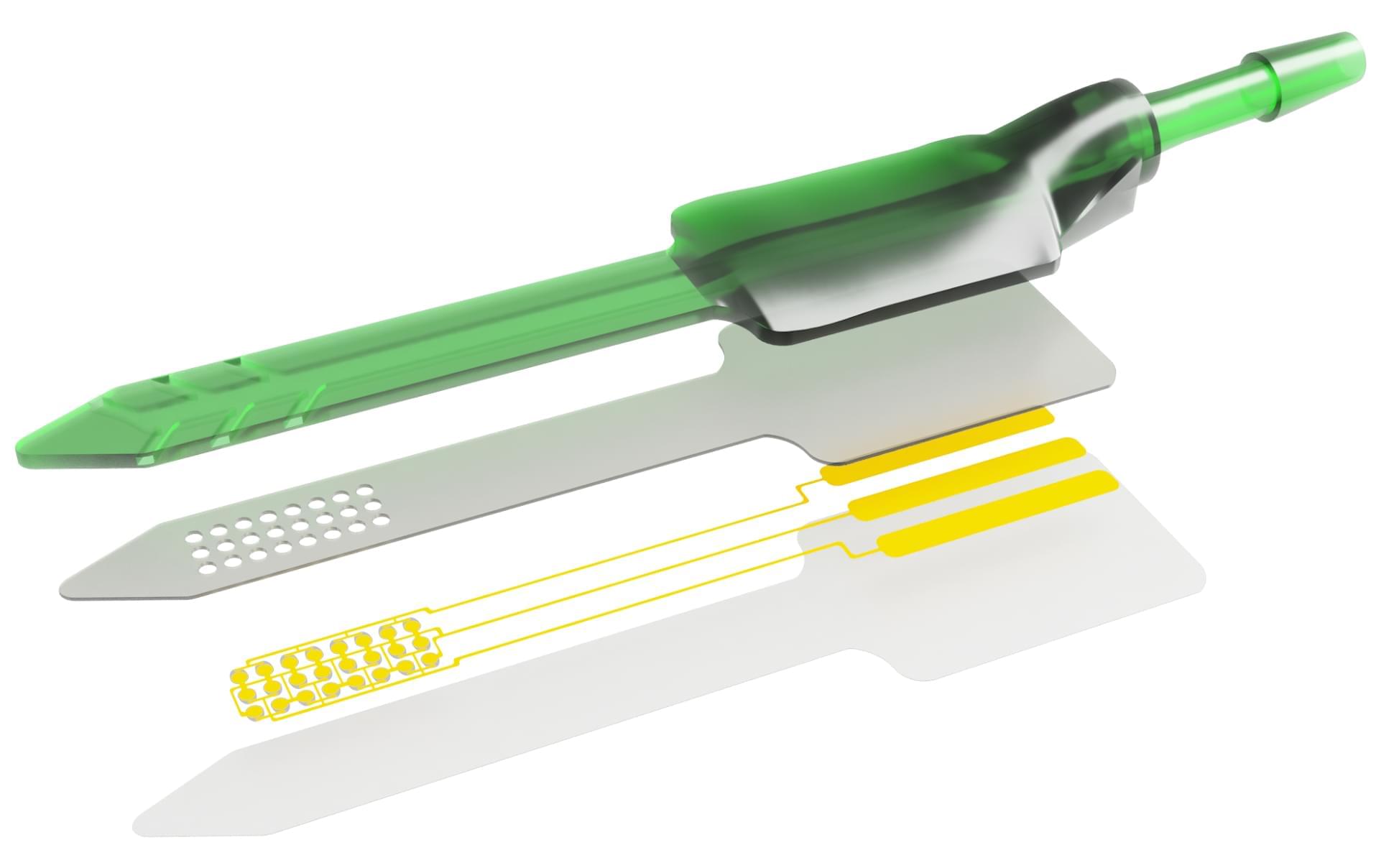
Researchers at The Jackson Laboratory (JAX), in collaboration with the Massachusetts Institute of Technology (MIT), have developed the first bandage-like microneedle patch that can sample the body’s immune responses painlessly from the skin. The device detects inflammatory signals within minutes and collects specialized immune cells within hours without the need for blood draws or surgical biopsies.
Already, the patch is helping researchers and clinicians study immune responses in aging and skin autoimmunity, including vitiligo and psoriasis. In the future, it could make it easier to track how people respond to vaccines, infections, and cancer therapies by complementing traditional blood tests and biopsies while being far easier on patients.
The study appears in Nature Biomedical Engineering.
An international team that included Southwest Research Institute has shown how complex organic molecules (COMs), considered essential chemical precursors to life, may have become part of Jupiter’s four largest moons as they formed. The results appear in companion papers published in The Planetary Science Journal and Monthly Notices of the Royal Astronomical Society. Together, the studies shed new light on how the ingredients for life could have reached the Jovian system.
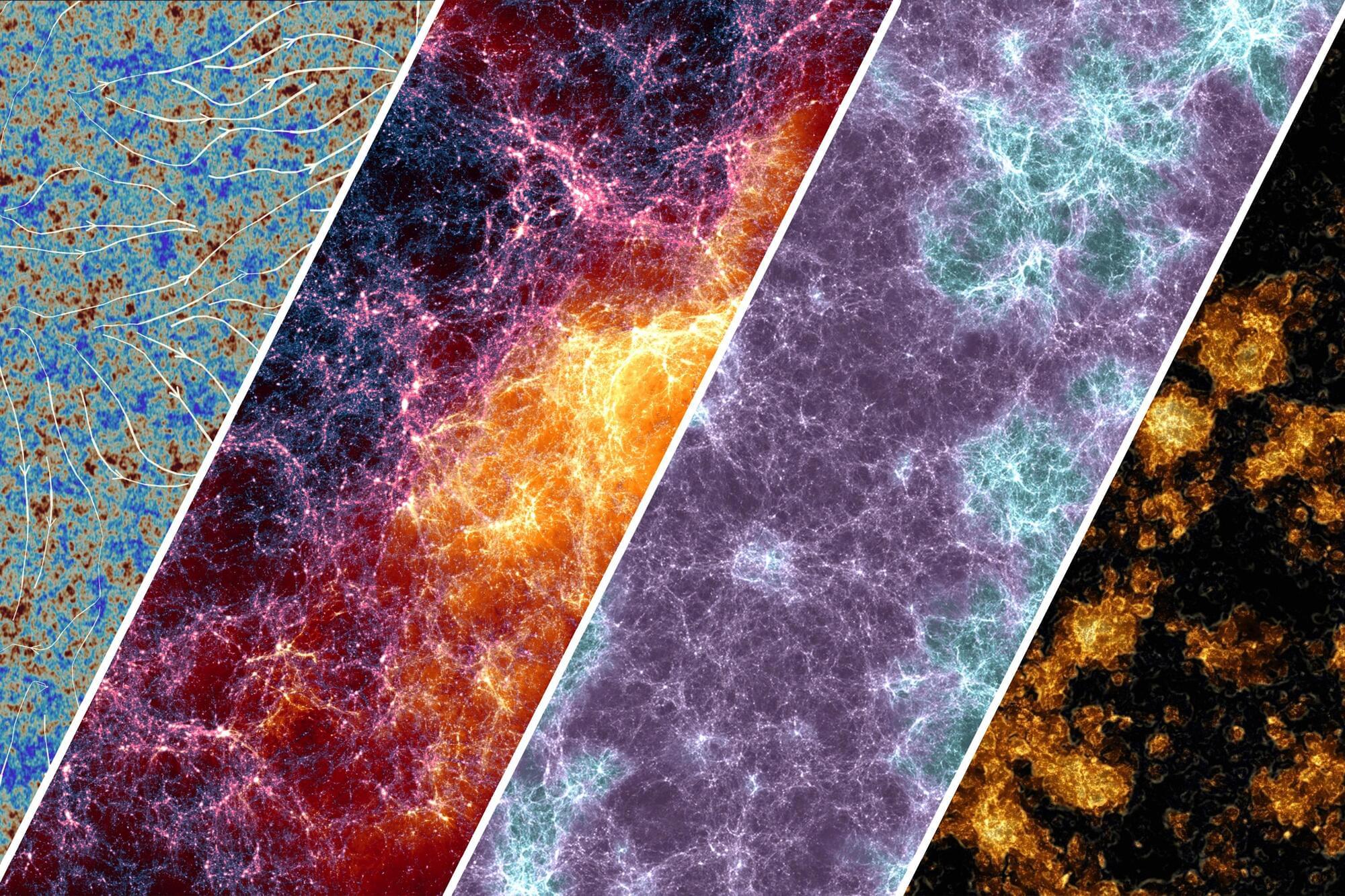
What do we mean with the ‘Big Bang’? Why are the properties of our universe so special? What is cosmological inflation? How can we test cosmological inflation and what do the latest observations tell us? Can we probe string theory using cosmology?
How did our universe come into existence? This basic and ancient question still remains one of the biggest mysteries in science. Ever since Einstein discovered that gravity can be understood as the stretching and bending of space and time, cosmology, which studies the properties, evolution and origin of the universe as a hole, became a proper and honest scientific subject, in which theoretical constructs can be confronted with (cosmological) observations.
What we have learned since then, in less than a century, about the origin and properties of our universe, is spectacular and at the same time mysterious. Our universe appears to be very special. In an attempt to explain these remarkable features a small group of theoretical cosmologists developed the paradigm of cosmological inflation in the eighties. What is cosmological inflation? An what do the latest observations tell us about this fascinating proposal in which all structures in our universe find their origin in small primordial quantum fluctuations? And what are the implications of cosmological inflation for conjectured theories of quantum gravity, such as string theory?
String theorist Jan Pieter van der Schaar argues that cosmology in general, and the cosmological paradigm of inflation in particular, is our best (and perhaps only) bet to probe and test the microscopic quantum description of space and time.
An Pieter van der Schaar is a string theorist by training, with a Ph.D. at the University of Groningen in 2000. After postdoctoral research stints at the University of Michigan, the Cern theory group, and Columbia University, he developed into a theoretical cosmologist with a particular interest to connect cosmological models to string theory and vice versa. Jan Pieter has been a member of the string theory and cosmology group at the Institute of Physics of the University of Amsterdam since 2006. Since 2013 he is the coordinator of the Delta Institute for Theoretical Physics and as of 2022 he is heading the ‘Building Blocks of Matter and Foundations of Space-time’ route as part of the Nationale Wetenschapsagenda.
For more science visit:
Get a special 35% discount on an annual digital subscription to The Economist at https://www.economist.com/PBS
We’ve known that the universe is expanding since 1929, and that its expansion is accelerating since 1998. The culprit behind the acceleration is unknown, so we live with a stand-in term \.
Some of the world’s leading physicists believe they have found startling new evidence showing the existence of universes other than our own. See more in Season 3, Episode 2, \.