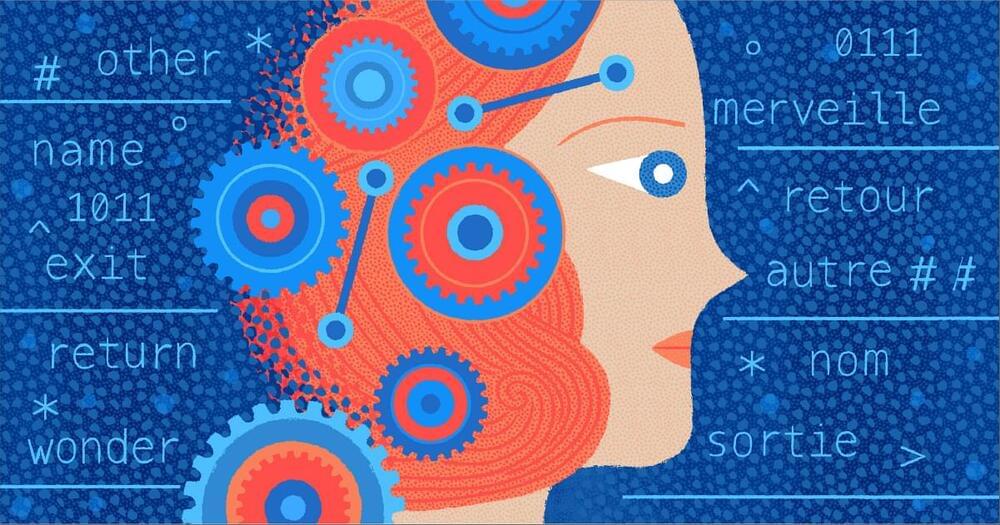
Computer scientist Lance Fortnow writes that by embracing the computations that surround us, we can begin to understand and tame our seemingly random world.
Get the latest international news and world events from around the world.
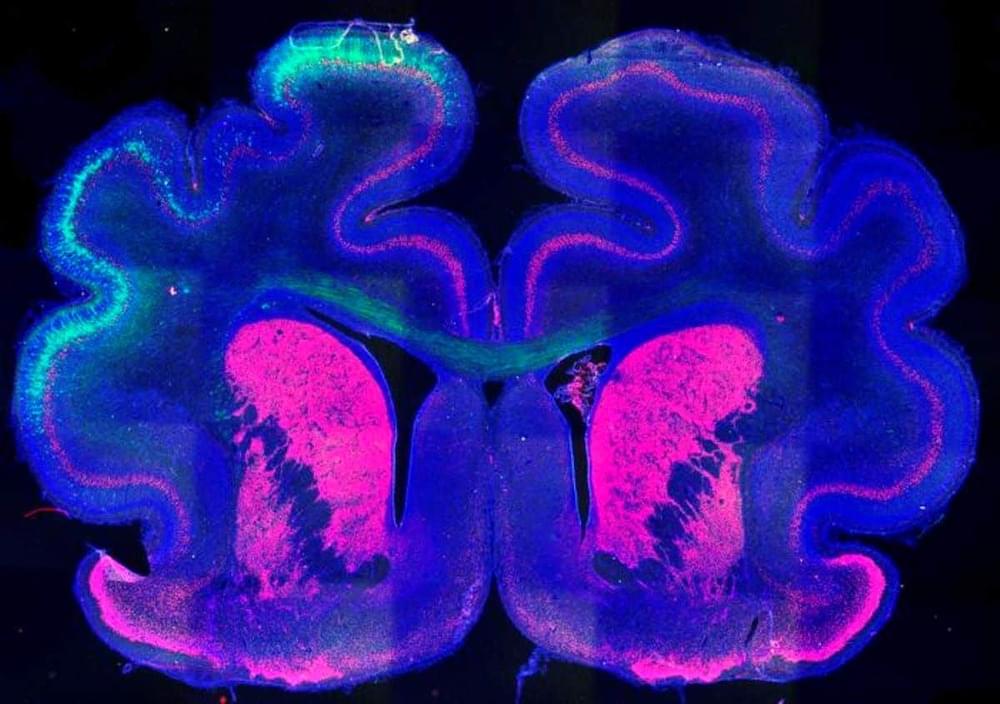
How Genes and Epigenetics Shape Brain Folding
Summary: A new study uncovered how epigenetic marks and the Cux2 protein influence brain folding. The study reveals that the epigenetic mark H3K27ac and Cux2 are key to forming the cerebral cortex’s gyri and sulci.
These findings enhance our understanding of brain development and could inform treatments for brain malformations. The research underscores the complexity of the nervous system and the pivotal role of epigenetics in brain structure.
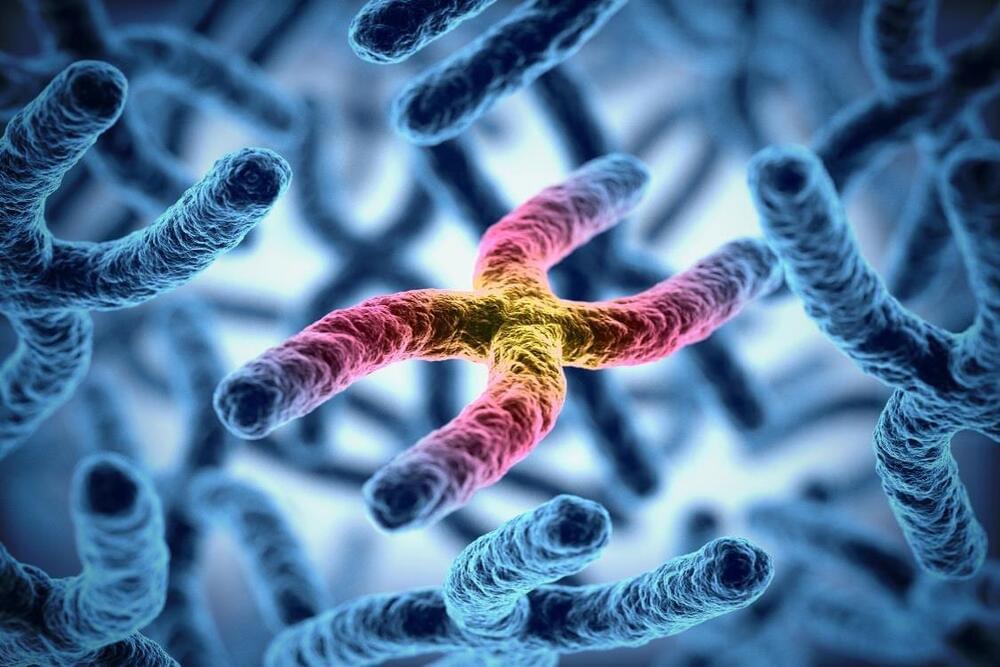
Illinois Paves the Way for Affordable Gene Therapy Access
Illinois Governor JB Pritzker signed an executive order to make cutting-edge gene and cell therapies more affordable and accessible. The order’s primary focus is on treatments for sickle cell disease, a condition that disproportionately affects Black Americans.
Addressing Cost Barriers to Innovation
The Illinois Department of Healthcare and Family Services (HFS) will spearhead efforts to develop new payment models for these transformative but expensive treatments. A newly formed Advisory Council will recommend creating sustainable financing structures, emphasizing models that reward positive health outcomes.
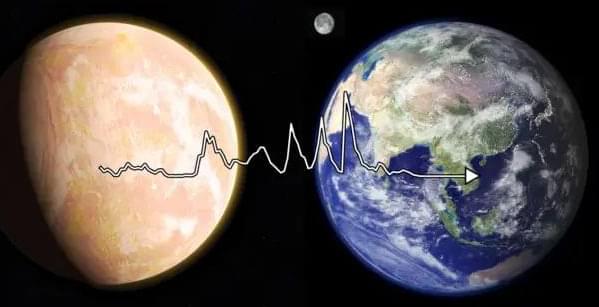
A missing link in the timeline of Earth’s chemistry may have been found
Eight reactions could connect ancient Earth to modern day. Here’s how.
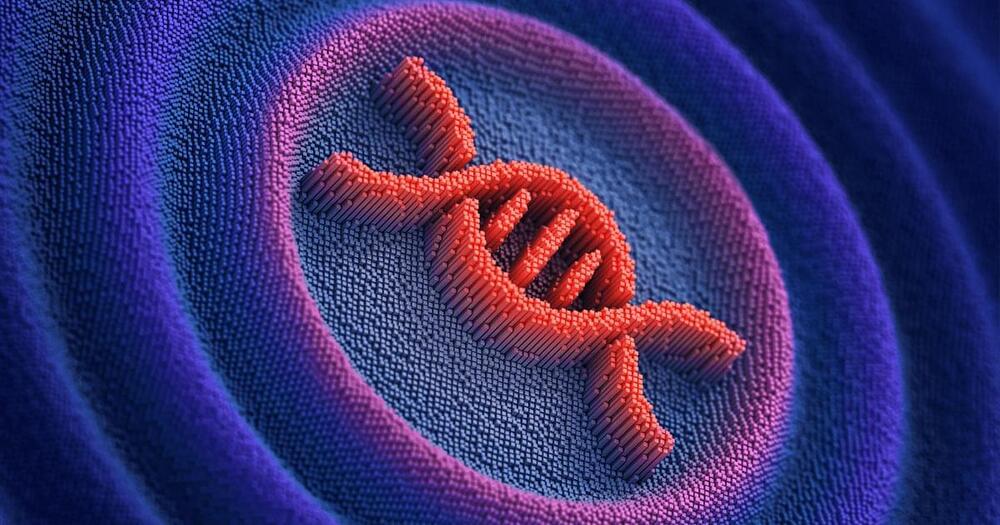
The CRISPR Horizon: Envisioning the Future of Genomic Editing
Explore the transformative potential of CRISPR in medicine, agriculture, and beyond, and delve into the ethical debates surrounding this technology.
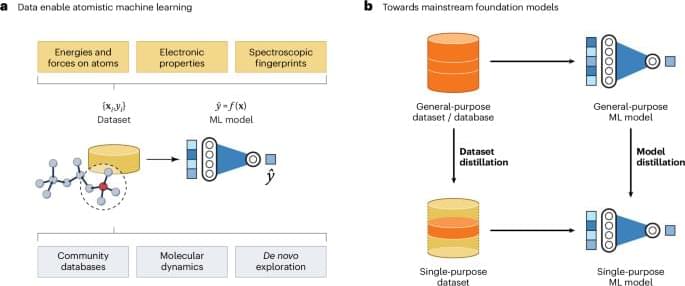
Data as the next challenge in atomistic machine learning
As machine learning models are becoming mainstream tools for molecular and materials research, there is an urgent need to improve the nature, quality, and accessibility of atomistic data. In turn, there are opportunities for a new generation of generally applicable datasets and distillable models.
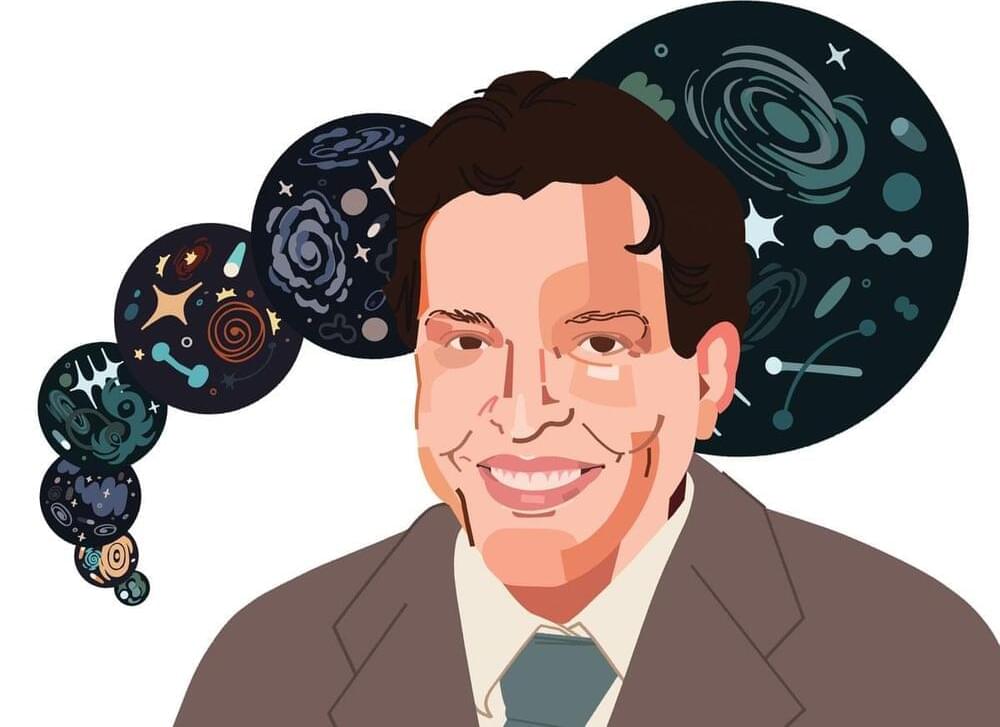
Here’s Why We Might Live in a Multiverse
Several branches of modern physics, including quantum theory and cosmology, suggest our universe may be just one of many.
By Sarah Scoles
Humans live in a universe; that is a fact. Up for debate, though, is whether that universe lives in a sea of other universes— a multiverse.
Quantum mechanics and the puzzle of human consciousness
Some scientists speculate that the strange happenings in this microscopic realm may hold the key to understanding consciousness. But scant evidence has left the majority skeptical.
That includes Christof Koch, Ph.D., meritorious investigator at the Allen Institute. As he wrote in his recent book, Then I am myself the world, “the brain is wet and warm, hardly conducive to subtle quantum interactions.”
But despite his skepticism, Koch is collaborating with scientists at Google Quantum AI and universities worldwide to explore the role quantum mechanics might play in shaping consciousness. A paper published in Entropy offers their novel theory on the links between quantum mechanics and consciousness and details a series of experiments to test it.
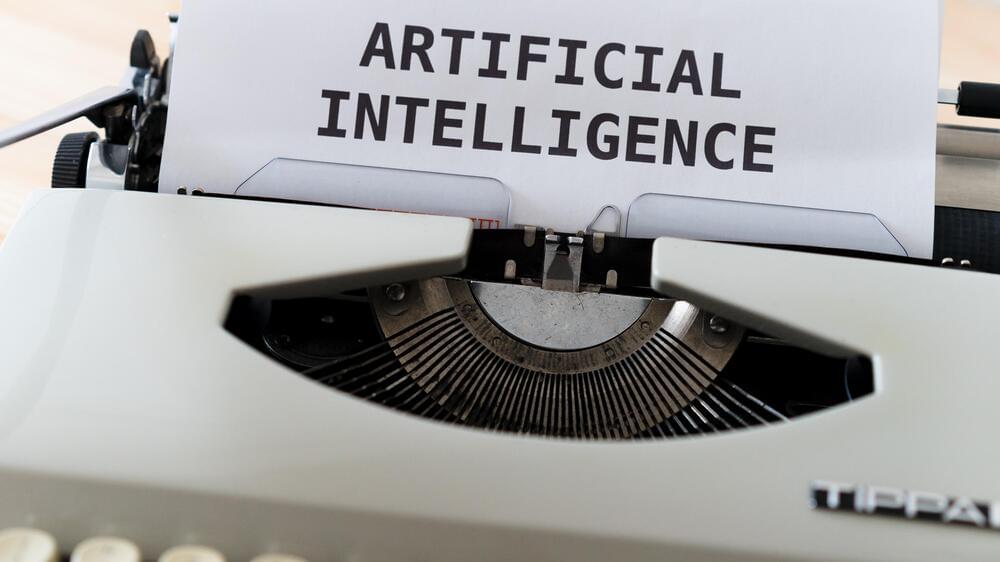
Crypto and Artificial Intelligence Could be a $20 Trillion Megatrend, Bitwise Says
AI and crypto combined could add a total of $20 trillion to the global economy by 2030, the report said. Bitwise notes that bitcoin miners have all the resources that AI firms need. Crypto and AI have the potential to intersect in other areas other than mining such as information validation and virtual assistants.
The two industries could add a collective $20 trillion to global GDP by 2030, the report said.

Scientists reconstruct ancient genomes of the two most deadly malaria parasites to identify origin and spread
In a study appearing in Nature, an international team of researchers led by the Max Planck Institute for Evolutionary Anthropology in Leipzig, Germany, reconstructed the evolutionary history and global spread of malaria over the past 5,500 years, identifying trade, warfare, and colonialism as major catalysts for its dispersal.