Toggle light / dark theme

Get the latest international news and world events from around the world.

Log in for authorized contributors

How Ramanujan’s formulae for pi connect to modern high energy physics

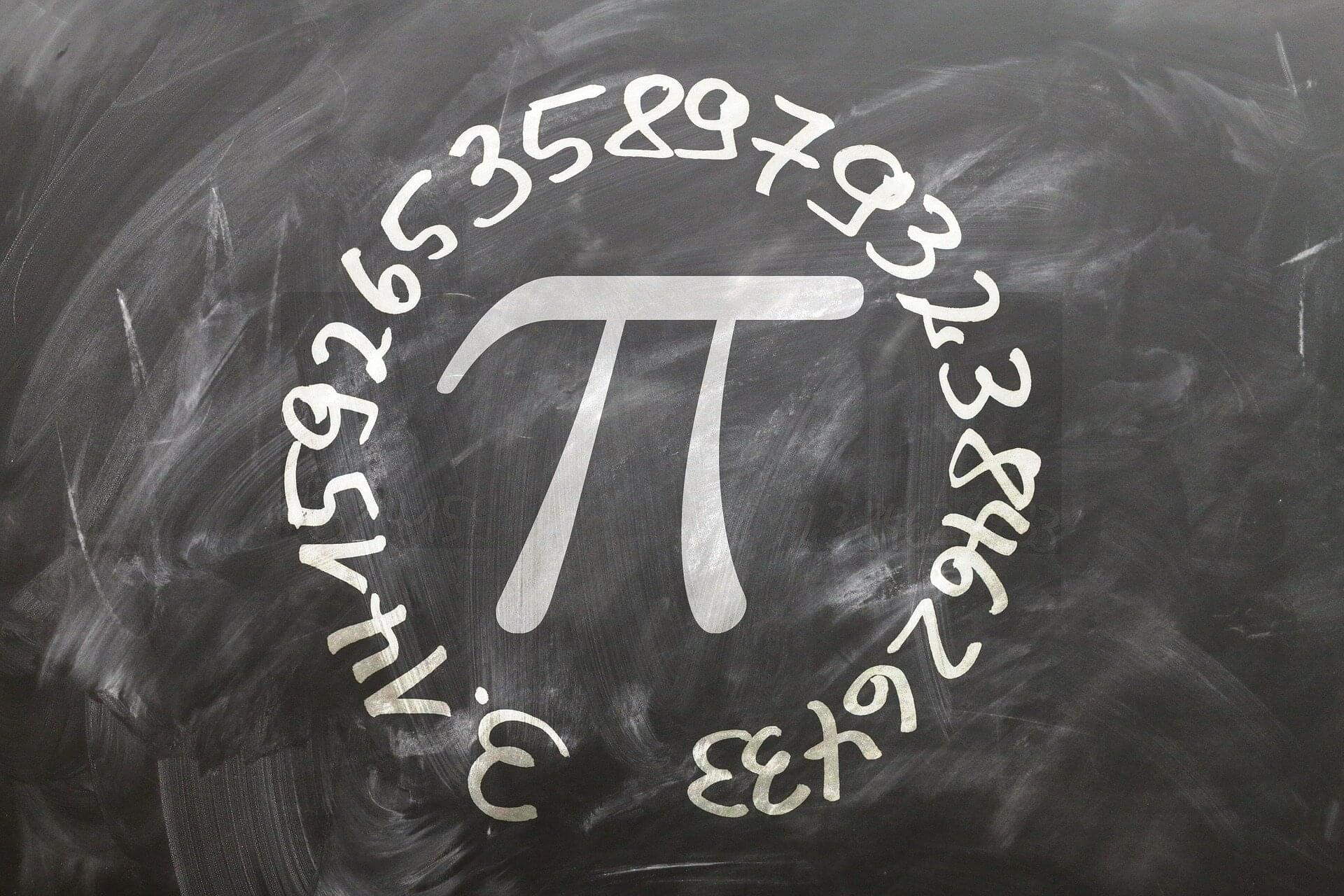
Most of us first hear about the irrational number π (pi)—rounded off as 3.14, with an infinite number of decimal digits—in school, where we learn about its use in the context of a circle. More recently, scientists have developed supercomputers that can estimate up to trillions of its digits.

Now, physicists at the Center for High Energy Physics (CHEP), Indian Institute of Science (IISc) have found that pure mathematical formulas used to calculate the value of pi 100 years ago has connections to fundamental physics of today—showing up in theoretical models of percolation, turbulence, and certain aspects of black holes.

The research is published in the journal Physical Review Letters.
Euclid dataset of a million galaxies proves connection between galaxy mergers and AGN

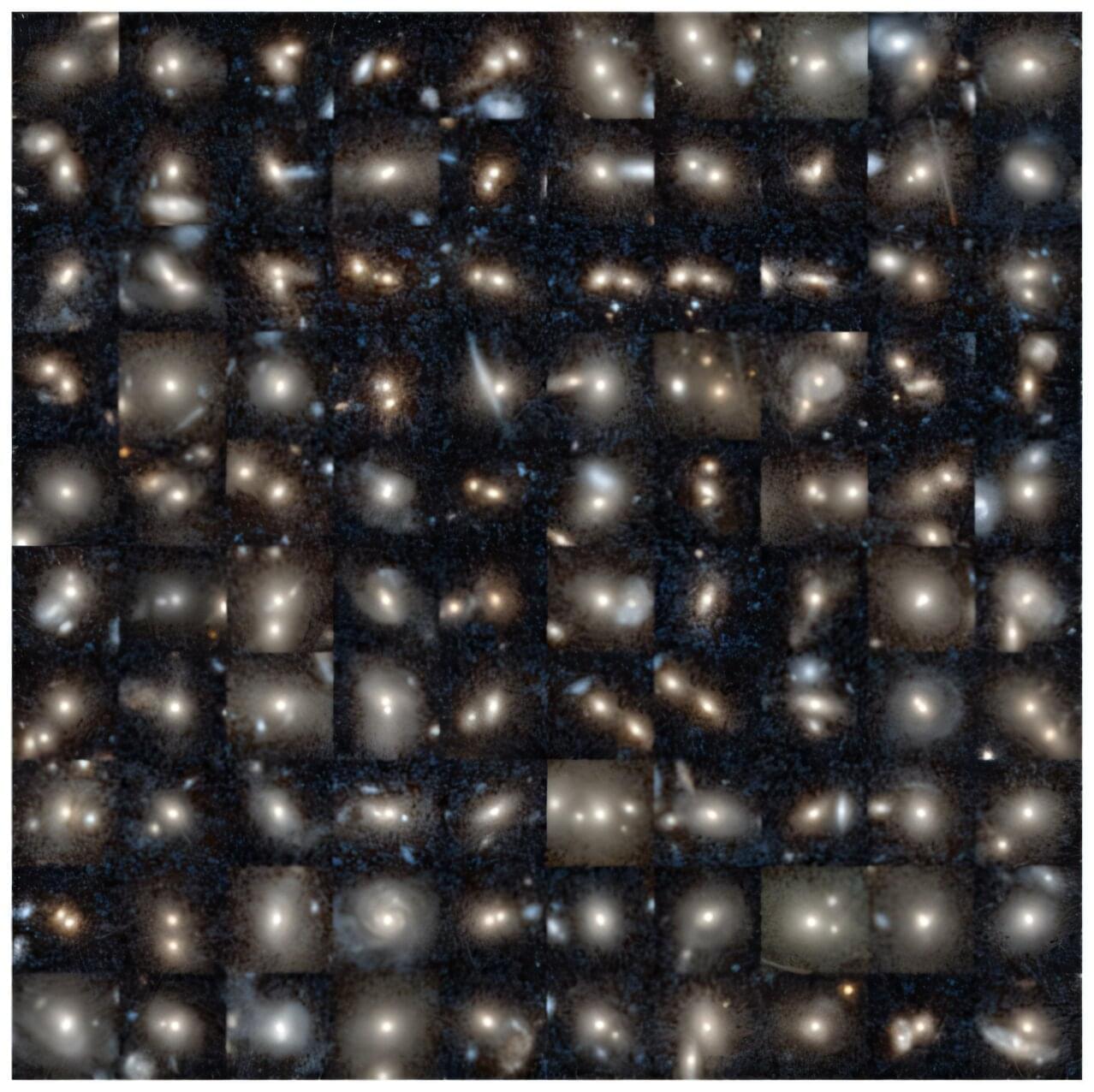
Astronomers have long debated the role of galaxy mergers in powering active supermassive black holes. Now an unprecedented dataset of a million galaxies from the Euclid telescope provides evidence that mergers play a dominant role and are even the primary trigger for the most luminous black holes.

Almost all massive galaxies harbor a supermassive black hole (SMBH) at their centers. Most of them simply lurk in the dark while quietly reeling in gas, dust and stars from their surroundings. These materials gather in the black hole’s accretion disk before their irreversible dive into the abyss, thereby emitting the only slight hint of radiation that gives away the black hole’s location.

A small fraction of galaxies possess an SMBH that shines brightly or even pushes out material from its poles. These are called active galactic nuclei (AGN). Some astronomers have hypothesized that violent collisions between galaxies may play an important role in the ignition of AGN. The resulting turbulence could cause the extra material to pile up in an SMBH’s accretion disk, where friction and compression make it hot enough to shine brightly. In the most extreme cases, the AGN are so bright that they completely outshine their host galaxies.

Quantum Spin Ice Is Real: Physicists Confirm Exotic State of Matter

Researchers have uncovered clear evidence of exotic quantum excitations inside a rare 3D spin liquid, validating decades of theory. An international research group led by Pengcheng Dai of Rice University has now verified the presence of emergent photons and fractionalized spin excitations within

3D printing researchers develop fast-curing, environmentally-friendly concrete substitute

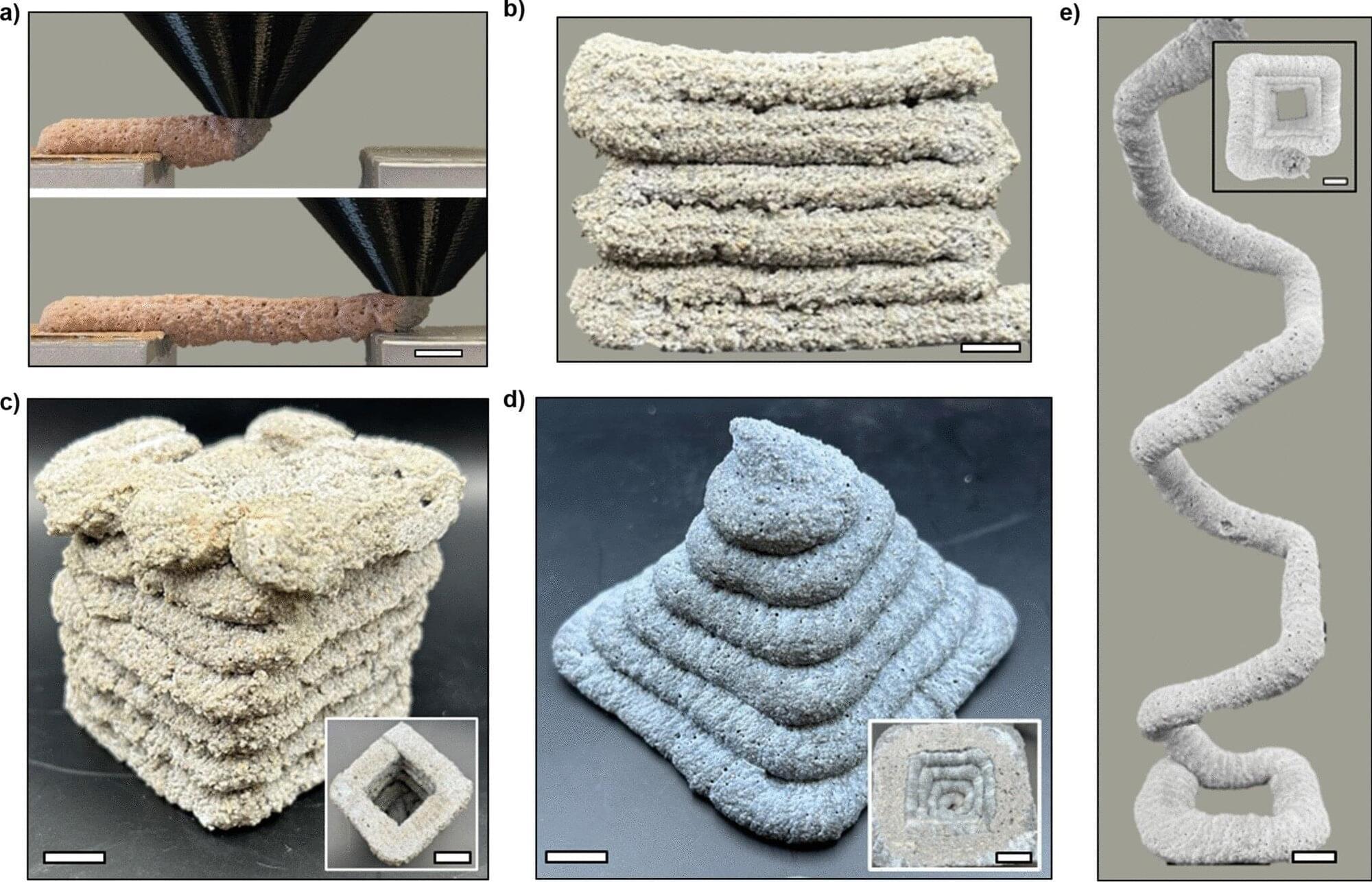
Researchers at Oregon State University have developed a quick-setting, environmentally friendly alternative to concrete they hope can one day be used to rapidly 3D print homes and infrastructure.

Also known as additive manufacturing, 3D printing is already being used to help solve construction challenges such as the global housing crisis that’s emerged as Earth’s population approaches 8.5 billion.

But cement, the binding agent in concrete, accounts for about 8% of the planet’s carbon dioxide emissions, and concrete’s curing time—which can be multiple days—and required structural supports can inhibit progress on construction projects.

Tesla Optimus running test sets new lab record

Tesla has released a new clip of its Optimus humanoid robot running inside a lab. The video comes from the official Optimus account on X and Elon Musk shared it with his followers soon after. The robot jogs past other units in the background and keeps a steady pace on the lab floor.

Also, The team said that they had set a new personal record in the lab. Musk also stressed the internal record had been broken, which puts fresh attention on how far the project has moved in a short time.

Just set a new PR in the lab pic.twitter.com/8kJ2om7uV7 — Tesla Optimus (@Tesla_Optimus) December 2, 2025

Scientists reverse Alzheimer’s in mice with new nanotechnology

face_with_colon_three nanomachines could also be used for aging control to prevent aging symptoms.


Scientists used a new nanotechnology strategy to reverse Alzheimer’s disease in mice by helping reduce amyloid-beta in the brain by 50–60%.

Abstract: 1 Institut de Neurociències, and

1 Institut de Neurociències, and.

2Department of Cell Biology, Physiology and Immunology, Universitat Autònoma de Barcelona, Bellaterra, Barcelona Spain.

3Institute of Neuroscience, CSIC-UMH, Alicante, Spain.

4Neurodegenerative Diseases Research Group, Vall d’Hebron Research Institute-Network Center for Biomedical Research in Neurodegenerative Diseases (CIBERNED), Barcelona, Spain.

Organisms are musicians not machines

The living cell, once thought to be a precise molecular factory, is turning out to be more like an improvising jazz ensemble. The old dogma—one gene, one protein, one function—has collapsed. Molecular biologist Ewa Grzybowska argues that recent discoveries show that proteins can switch folds, shift shapes, or even remain gloriously unstructured, improvising their roles as they go. Genes are not blueprints but texts, open to continuous interpretation by cells. Life, it turns out, is not built like a machine but is instead fluid, improvisational, and brimming with creative possibility.

1. The old paradigms in biology

When Watson and Crick decoded DNA in 1953 and the mechanism of protein-making was discovered, we obtained an extraordinary tool to explain the inner workings of life. The basic principle of making one protein from one DNA template (gene) with the assistance of one messenger RNA (mRNA) and several well-defined amino-acid-transporting RNAs (tRNAs) was so successful that it has been enshrined in millions of textbooks and not questioned for a long time.

/* */