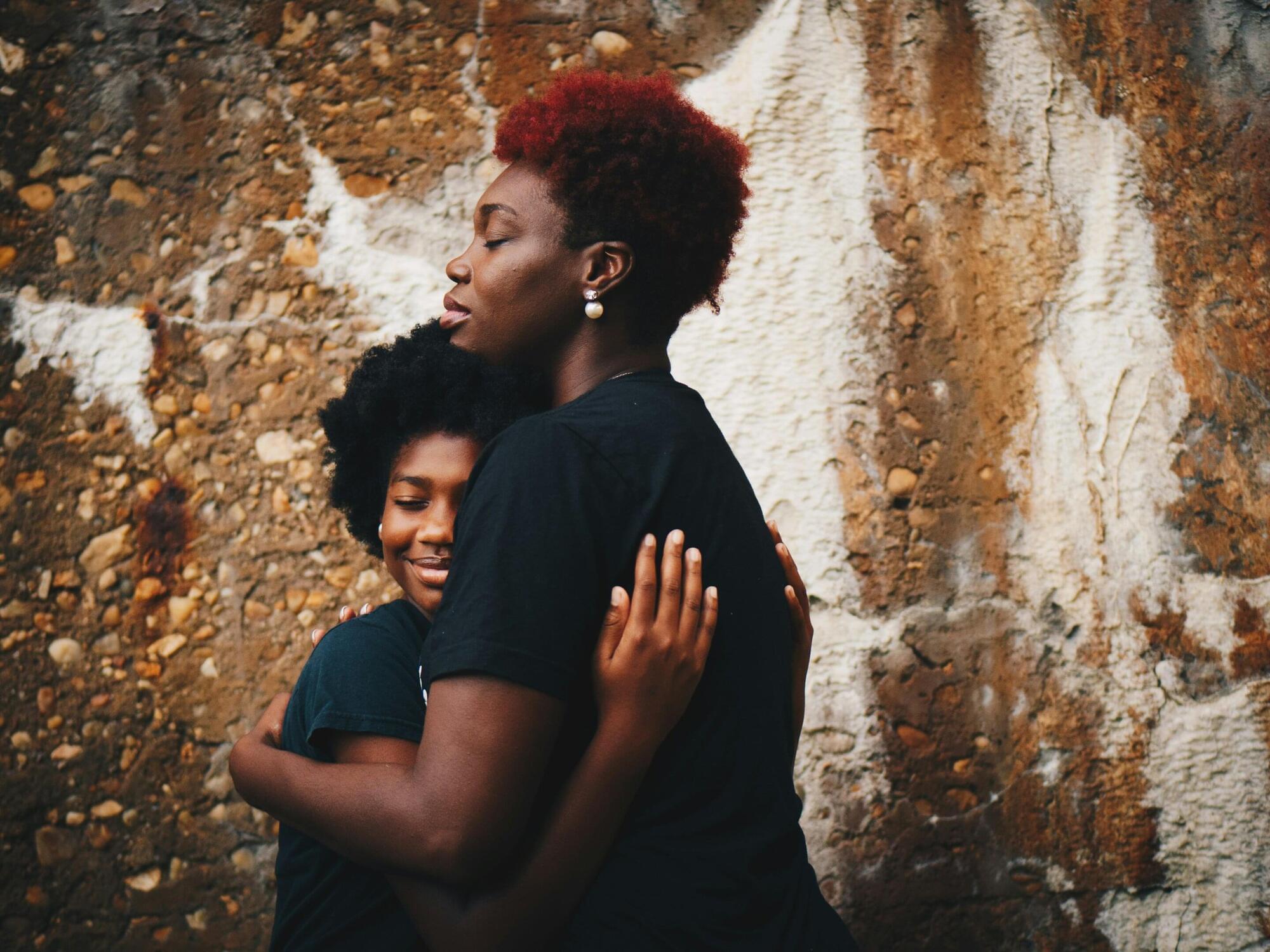
Mental health is a global crisis, with more than 1 billion people affected by mental health conditions, according to the World Health Organization (WHO). Young people are particularly affected, with suicide as the third leading cause of death among those aged 15 to 29. A new study of the mental health of Nepali adolescents published in the journal PLOS One found that more than 40% of teens suffer from anxiety and that parenting style is a major factor influencing mental well-being.
A research team led by Rabina Khadka, a public health lecturer at the Manmohan Memorial Institute of Health Sciences in Kathmandu, surveyed 583 school-going adolescents in Bheemdatt Municipality, Nepal. The aim was to fill in gaps in the existing data, specifically the lack of research on how different parenting styles (authoritative, authoritarian and permissive) relate to a range of mental health outcomes.
Participants were asked to fill out a four-part survey with questions covering their mental health status (levels of depression, anxiety, stress and self-esteem), perceived parenting style and personal information such as age, gender and family situation. The researchers then measured these factors using recognized psychological scales and analyzed the data to find statistical links between the type of parenting teens received and their mental health.