University of Pittsburgh researchers have made an important step toward providing hospitals and water treatment facilities with a safer, greener alternative to chlorine-based disinfection.
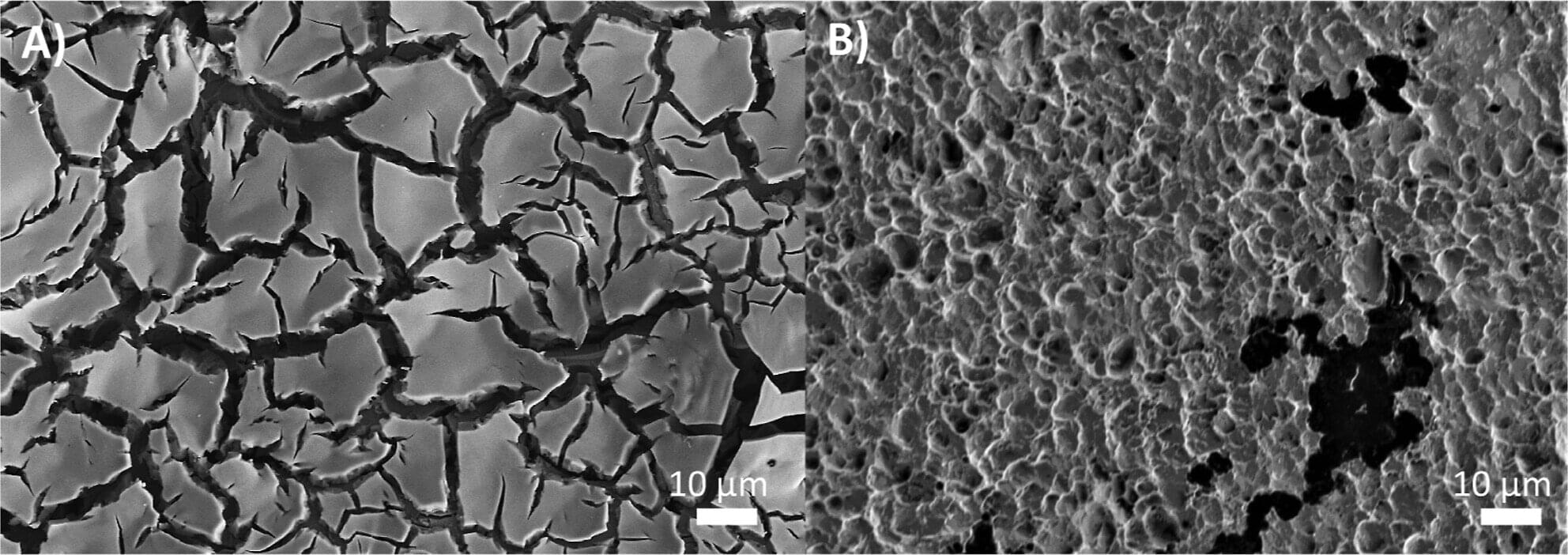
The team, which includes scientists from Drexel University and Brookhaven National Laboratory, uncovered key design principles for catalysts that can generate ozone, a disinfecting agent, on demand. The research is published in the journal ACS Catalysis.
This breakthrough addresses a critical challenge in water sanitation. Chlorine, commonly used to kill bacteria on surfaces and in water—including most municipal drinking water—is hazardous to transport and store, and its byproducts can be carcinogenic. These risks limit its use and motivate the search for safer disinfectants.