Toggle light / dark theme

Get the latest international news and world events from around the world.

Log in for authorized contributors

Intervene Immune puts thymus regeneration back in the spotlight

This would be my first funding target if I had the money.


Beyond science, Brooke sees three main hurdles: regulation, manufacturing and physician usability. Public acceptance, he says, already appears strong. Regulatory pathways may be comparatively favorable, given the long histories of the cocktail’s components and existing approvals for immune deficiency states. Manufacturing is always a challenge for biologics at scale, but protein production is mature and scalable, and the company is building internal capacity.

The immediate obstacle, Brooke argues, is complexity. Intervene Immune is developing a dosing system designed to be relatively foolproof for doctors, and expects to build an AI assistant to support implementation as sufficient data accumulates.

Intervene Immune’s closing sentiment is less biotech slogan and more biological provocation. “No matter how old you may be, your body still remembers how to be young,” Brooke says.

Demographics, Services, and Practices in ADHD Coaching in the US

Survey: Online ADHD coaching has increased substantially since the pandemic, mostly by lay adults reporting lived experience with ADHD, as a rising alternative to formal ADHD care.


This survey study found that most ADHD coaches primarily operated outside the US health care system and reported workforce entry after the COVID-19 pandemic’s onset. Our findings suggest ADHD coaching is usually delivered through a 1:1 virtual format using a traditional outpatient psychotherapy model (weekly 1-hour sessions) and reached prospective clients through a combination of online marketing and health care referrals. ADHD coaches tended to be individuals without formal mental health training who self-identified as having ADHD (or a loved one with ADHD), may have received ADHD coaching themselves, and based practices on lived experiences. Unlike most licensed mental health clinicians, ADHD coaches practiced across state and international borders.

As expected, we detected a spike in ADHD coaching workforce entry at the COVID-19 pandemic’s outset that mirrored similar ADHD medication prescribing patterns.6 Herein, we reveal that intervention content self-reported by ADHD coaches is similar to those manualized in evidence-based CBTs for ADHD.37 The potential redundancy in content between ADHD coaching and CBT for ADHD could make it difficult for prospective clients and some medical clinicians to differentiate between these approaches. However, the aforementioned aspects of ADHD coaching are different than traditional CBTs in that ADHD coaching appears longer term, involves sharing lived experiences with ADHD, and offers support between sessions (Table 2).38-40 These features may make ADHD coaching especially palatable to adults with ADHD, who reportedly criticize routine care CBT as being too rigid, generic, and short term, with therapists who are stigmatizing, negativistic about ADHD, and unempathetic.

Overcoming symmetry limits in photovoltaics through surface engineering

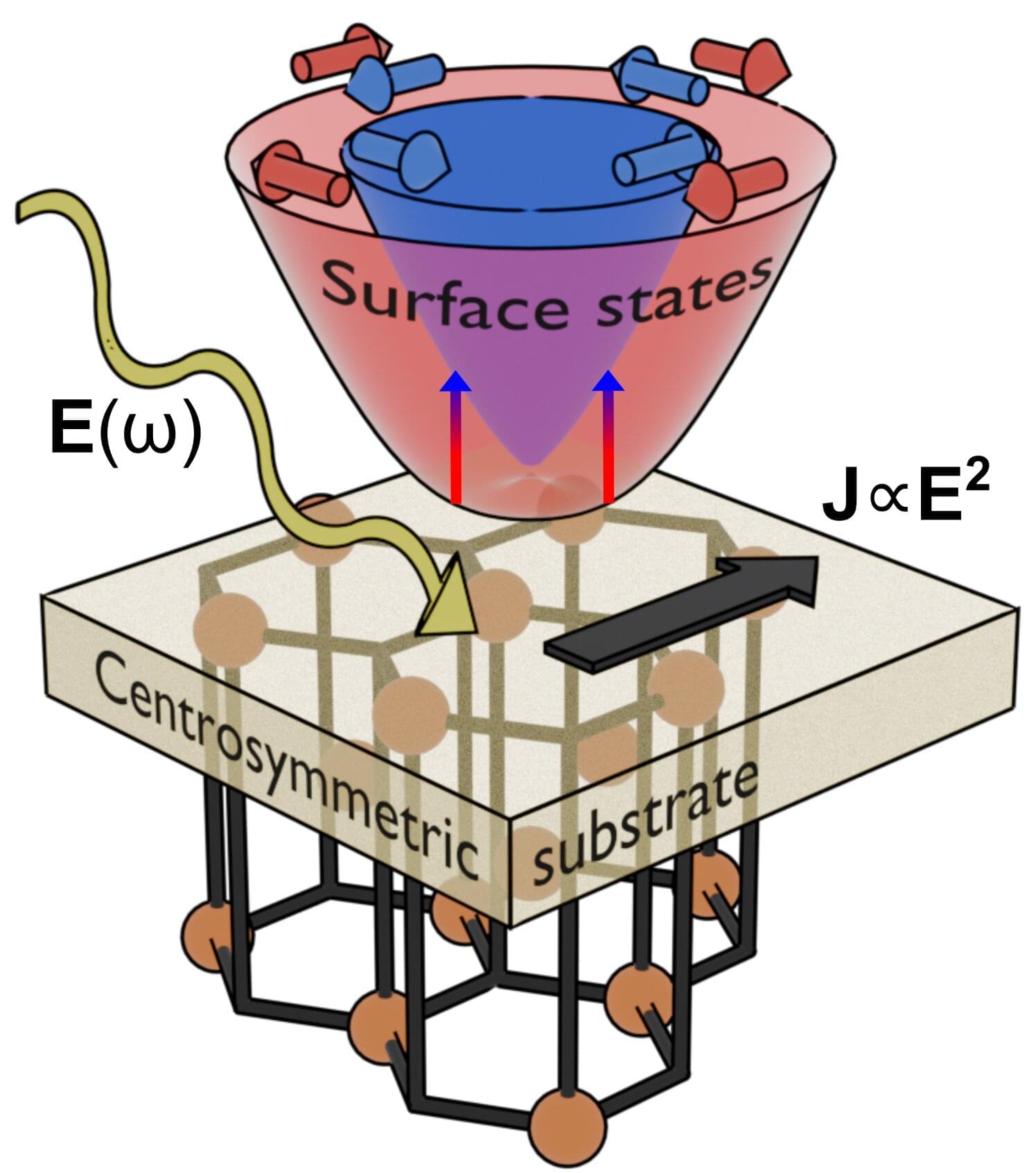
A recent study carried out by researchers from EHU, the Materials Physics Center, nanoGUNE, and DIPC introduces a novel approach to solar energy conversion and spintronics. The work tackles a long-standing limitation in the bulk photovoltaic effect—the need for non-centrosymmetric crystals—by demonstrating that even perfectly symmetric materials can generate significant photocurrents through engineered surface electronic states. This discovery opens new pathways for designing efficient light-to-electricity conversion systems and ultrafast spintronic devices.

The work is published in the journal Physical Review Letters.

Conventional solar cells rely on carefully engineered interfaces, such as p–n junctions, to turn light into electricity. A more exotic mechanism—the bulk photovoltaic effect —can generate electrical current directly in a material without such junctions, but only if its crystal structure lacks inversion symmetry. This strict requirement has long restricted the search for practical materials.

Turning crystal flaws into quantum highways: A new route towards scalable solid-state qubits

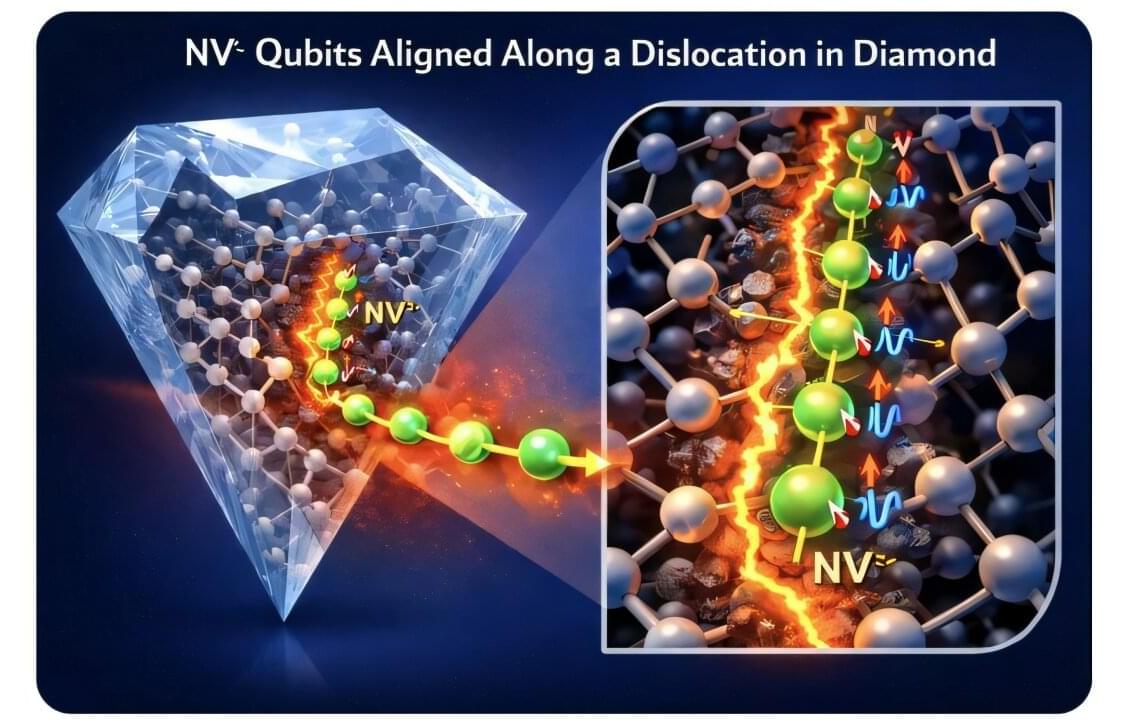
Building large-scale quantum technologies requires reliable ways to connect individual quantum bits (qubits) without destroying their fragile quantum states. In a new theoretical study, published in npj Computational Materials, researchers show that crystal dislocations—line defects long regarded as imperfections—can instead serve as powerful building blocks for quantum interconnects.

Using advanced first-principles simulations, a team led by Prof. Maryam Ghazisaeidi at The Ohio State University and Prof. Giulia Galli at the University of Chicago Pritzker School of Molecular Engineering (UChicago PME) and Chemistry Department demonstrated that nitrogen-vacancy (NV) centers in diamond, a leading solid-state qubit platform, can be attracted to dislocations and retain—and in some cases improve—their quantum properties when positioned near these line defects.

“Because dislocations form quasi-one-dimensional (1D) structures extending through a crystal, they provide a natural scaffold for arranging qubits into ordered arrays,” said co-first author Cunzhi Zhang, a UChicago PME staff scientist in the Galli Group.

Wormholes may not exist—we’ve found they reveal something deeper about time and the universe

Wormholes are often imagined as tunnels through space or time—shortcuts across the universe. But this image rests on a misunderstanding of work by physicists Albert Einstein and Nathan Rosen.

In 1935, while studying the behavior of particles in regions of extreme gravity, Einstein and Rosen introduced what they called a “bridge”: a mathematical link between two perfectly symmetrical copies of spacetime. It was not intended as a passage for travel, but as a way to maintain consistency between gravity and quantum physics. Only later did Einstein–Rosen bridges become associated with wormholes, despite having little to do with the original idea.

But in new research published in Classical and Quantum Gravity, my colleagues and I show that the original Einstein–Rosen bridge points to something far stranger—and more fundamental—than a wormhole.

Ancient Type II supernova discovered from universe’s first billion years

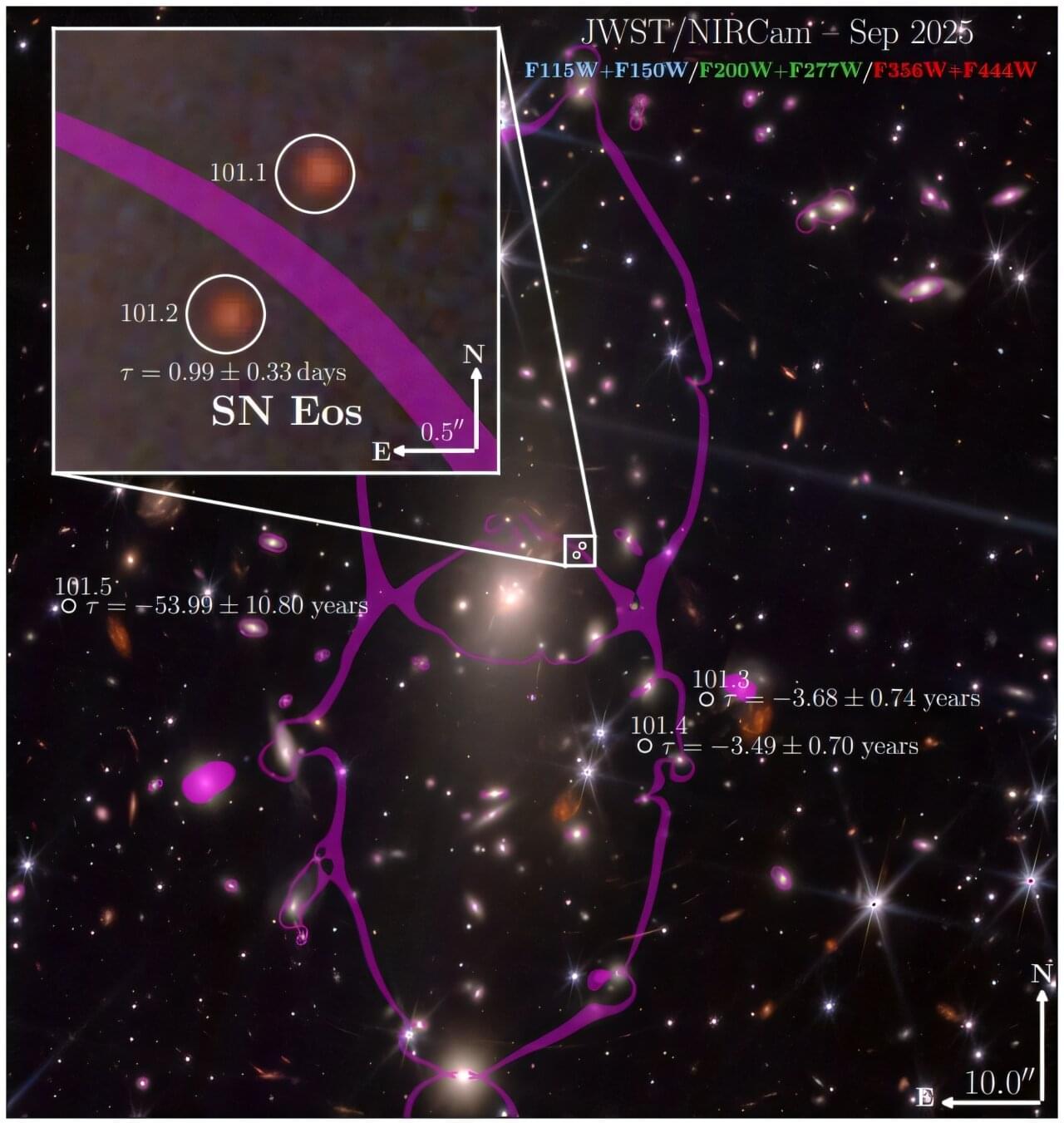
Using the James Webb Space Telescope (JWST), an international team of astronomers has discovered a new Type II supernova. The newly detected supernova, named SN Eos, exploded when the universe was only 1 billion years old. The finding was reported January 7 on the arXiv pre-print server.

Supernovae (SNe) are powerful and luminous stellar explosions. They are important for the scientific community as they offer essential clues into the evolution of stars and galaxies. In general, SNe are divided into two groups based on their atomic spectra: Type I (no hydrogen in their spectra) and Type II (showcasing hydrogen spectral lines).

Type II SNe are the result of rapid collapse and violent explosion of massive stars (with masses above 8.0 solar masses). Type II core-collapse supernovae (CC SNe), which can be brighter than the total emission of their host galaxies, allow astronomers to probe the final stages of stellar evolution, and studies of early-universe Type II CC SNe could be crucial to constrain early stellar evolution models.

Perovskite display technology demonstrates record efficiency and industry-level operational lifetime

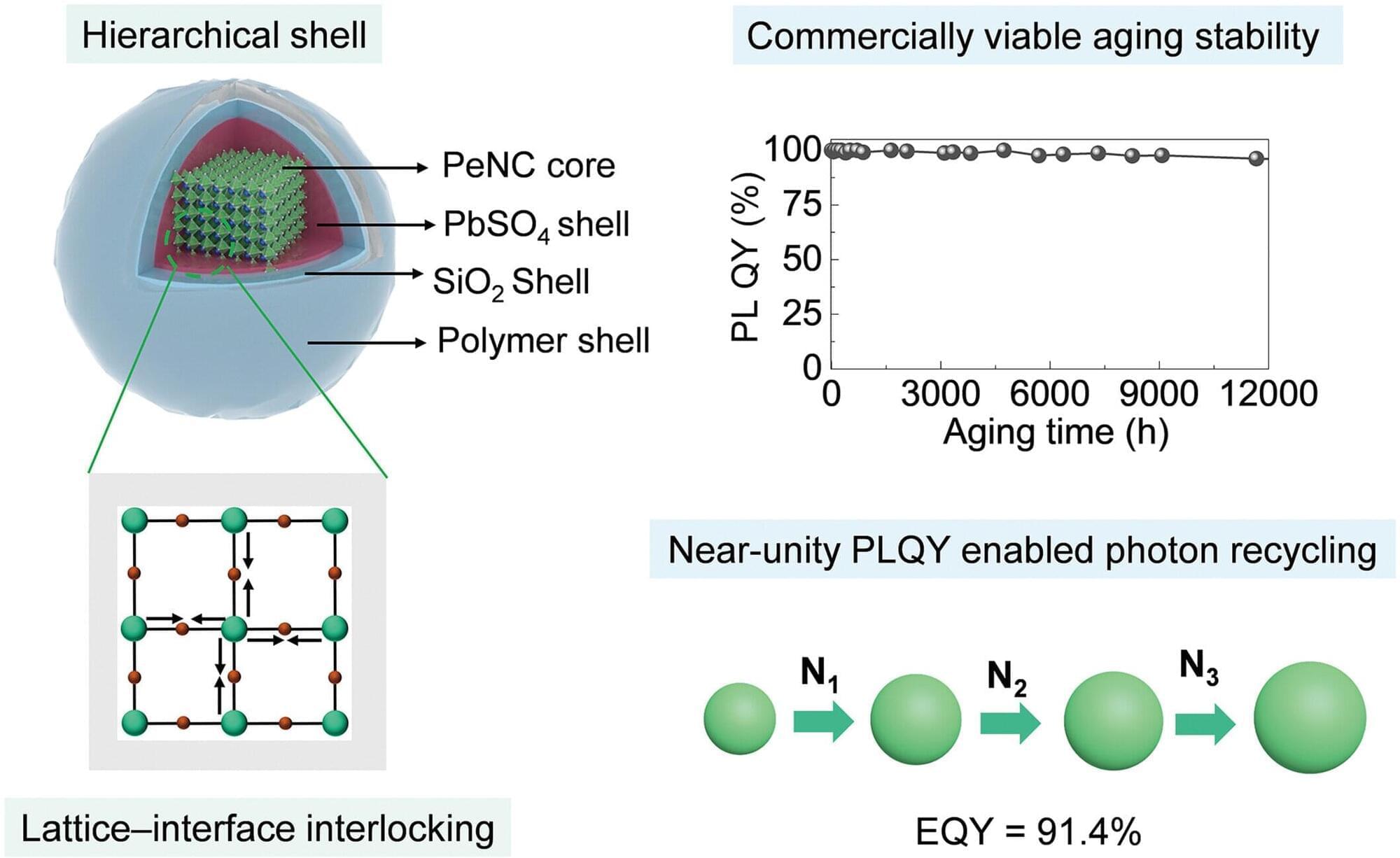
A research team has developed a hierarchical-shell perovskite nanocrystal technology that simultaneously overcomes the long-standing instability of metal-halide perovskite emitters while achieving record-breaking quantum yield, operational stability, and scalability. This work paves the way for next-generation vivid-color display technologies.

The research is published in the journal Science as a cover article.

The team was led by Professor Tae-Woo Lee (Department of Materials Science and Engineering, Seoul National University, Republic of Korea & SN Display Co., Ltd).

New microscopy technique preserves the cell’s natural conditions

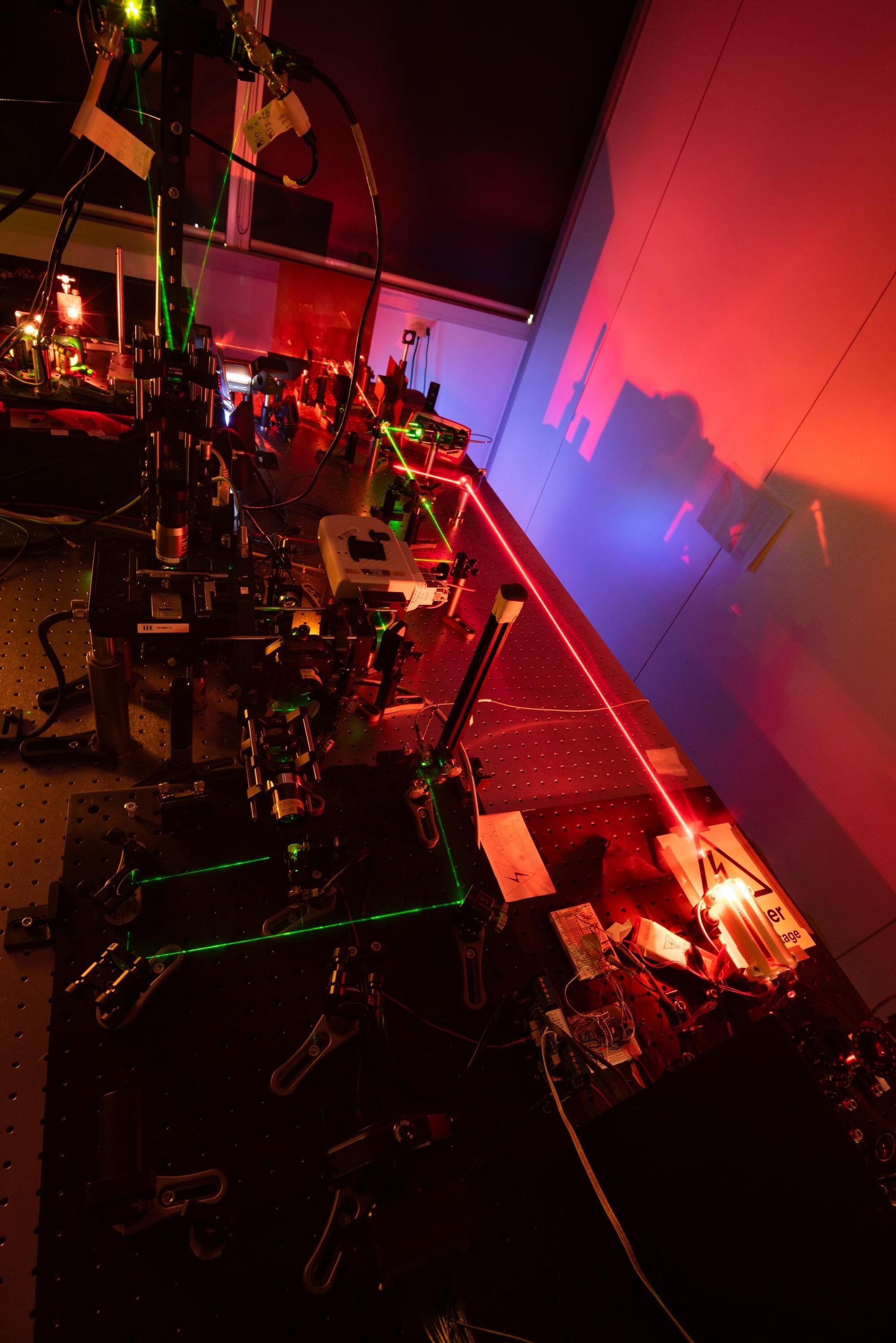
Researchers at Istituto Italiano di Tecnologia (IIT-Italian Institute of Technology) have developed an innovative microscopy technique capable of improving the observation of living cells. The study, published in Optics Letters, paves the way for a more in-depth analysis of numerous biological processes without the need for contrast agents. The next step will be to enhance this technique using artificial intelligence, opening the door to a new generation of optical microscopy methods capable of combining direct imaging with innovative molecular information.

The study was conducted under the guidance of Alberto Diaspro, Research Director of the Nanoscopy Unit and Scientific Director of the Italian Nikon Imaging Center at IIT, by Nicolò Incardona (first author) and Paolo Bianchini.

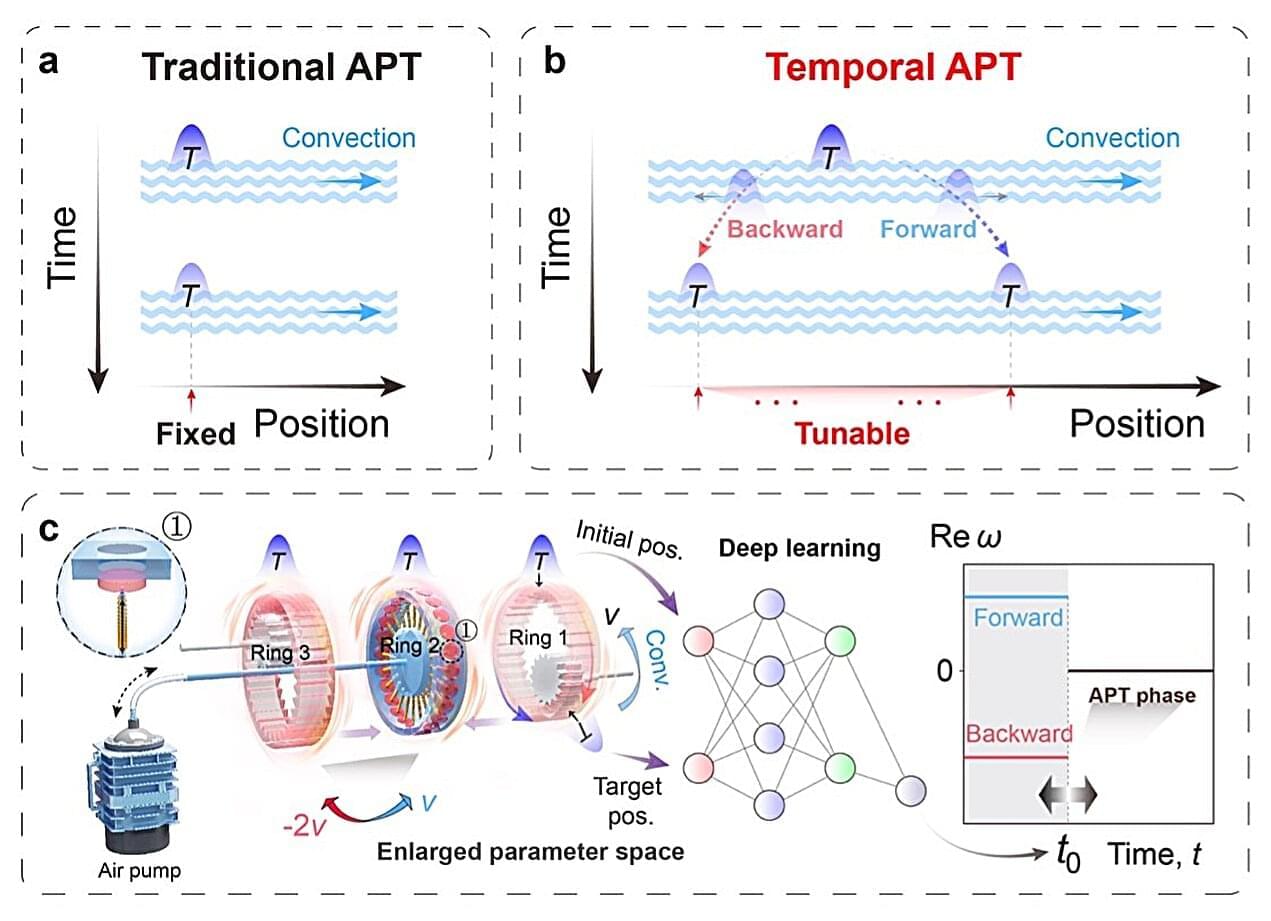
Temporal anti-parity–time symmetry offers new way to steer energy through systems

The movement of waves, patterns that carry sound, light or heat, through materials has been widely studied by physicists, as it has implications for the development of numerous modern technologies. In several materials, the movement of waves depends on a physical property known as parity-time (PT) symmetry, which combines mirror-like spatial symmetry with a symmetry in a system’s behavior when time runs forward and backwards.

Systems with PT symmetry can suddenly alter their behavior when they pass specific thresholds known as phase transitions, where they shift from balanced to unbalanced states. So far, systems exhibiting PT symmetry are mostly static, meaning that they exhibit fixed properties over time.

In Nature Physics, researchers at University of Shanghai for Science and Technology, Fudan University and National University of Singapore introduce a new concept called temporal anti-parity–time (APT) symmetry, which delineates more clearly both where and when a phase transition happens in a non-Hermitian system, a system that exchanges energy with its surroundings.

/* */