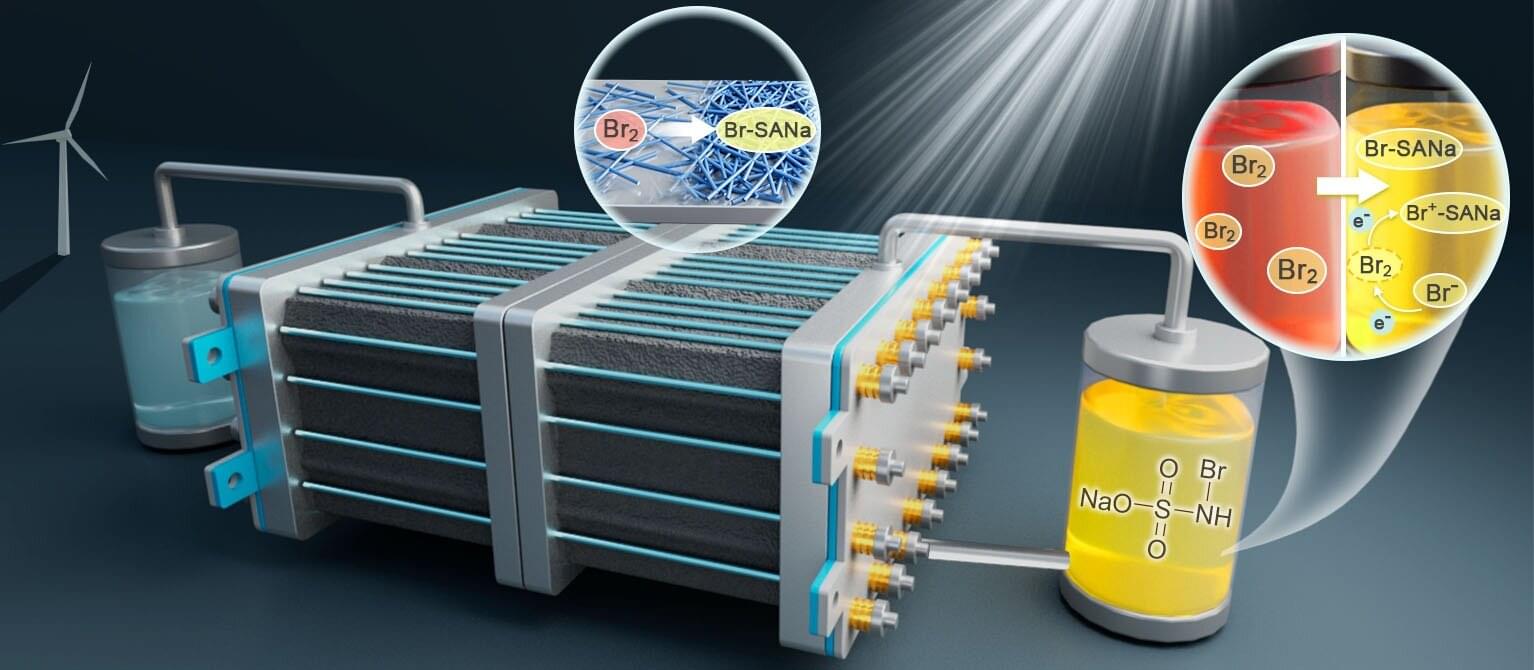
Scientists have found a way to push zinc–bromine flow batteries to the next level. By trapping corrosive bromine with a simple molecular scavenger, they were able to remove a major barrier to the performance and lifespan of flow batteries.

Scientists at HSE University have found that current AI models, including ChatGPT and Claude, tend to overestimate the rationality of their human opponents—whether first-year undergraduate students or experienced scientists—in strategic thinking games, such as the Keynesian beauty contest. While these models attempt to predict human behavior, they often end up playing “too smart” and losing because they assume a higher level of logic in people than is actually present.
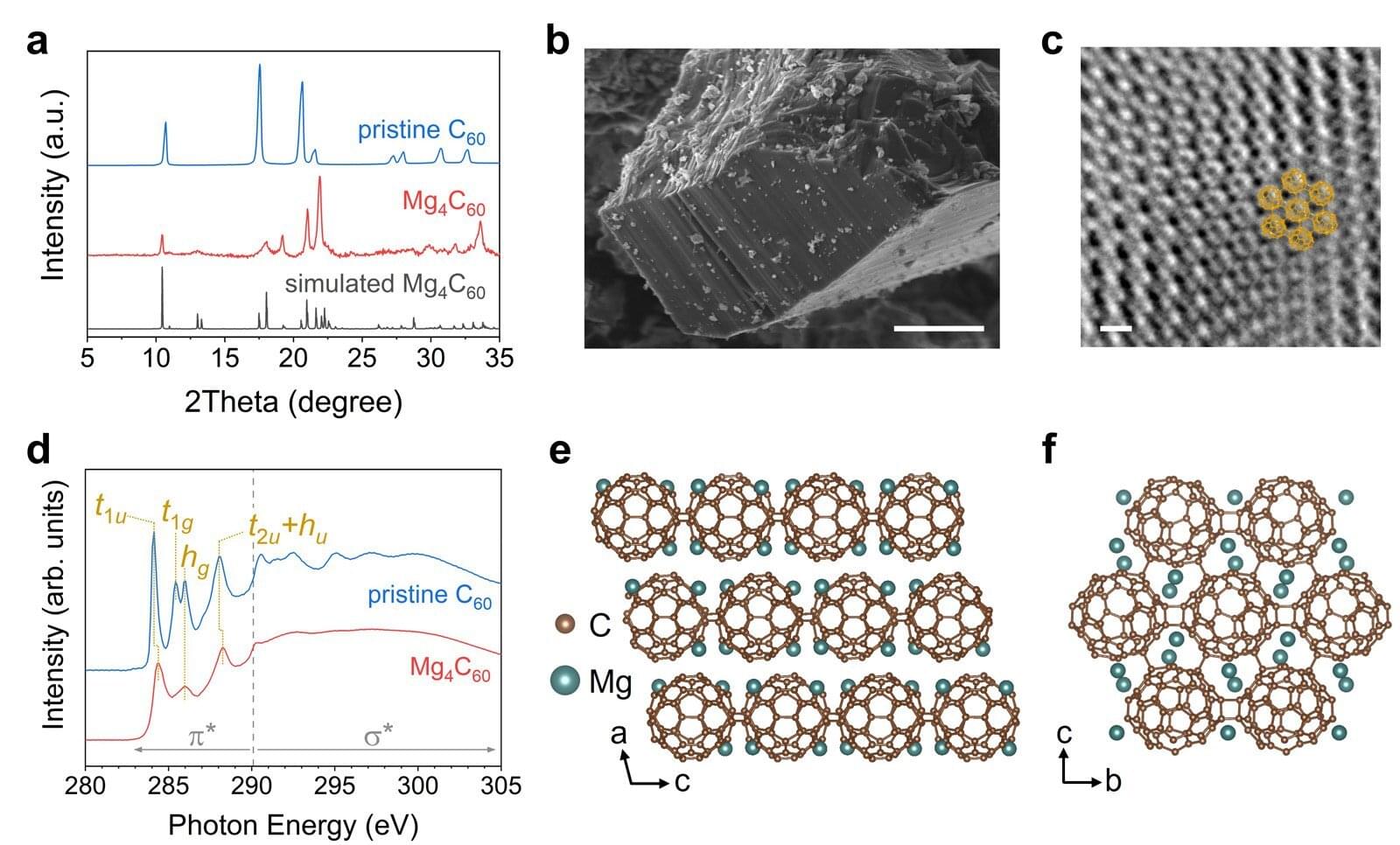
Research published in the Journal of the American Chemical Society demonstrates a new way to make carbon-based battery materials much safer, longer lasting, and more powerful by fundamentally redesigning how fullerene molecules are connected.
Today’s lithium-ion batteries rely mainly on graphite, which limits fast-charging speed and poses safety risks due to lithium plating. These research findings mean progress toward safer electric vehicles, longer-lasting consumer electronics, and more reliable renewable-energy storage.
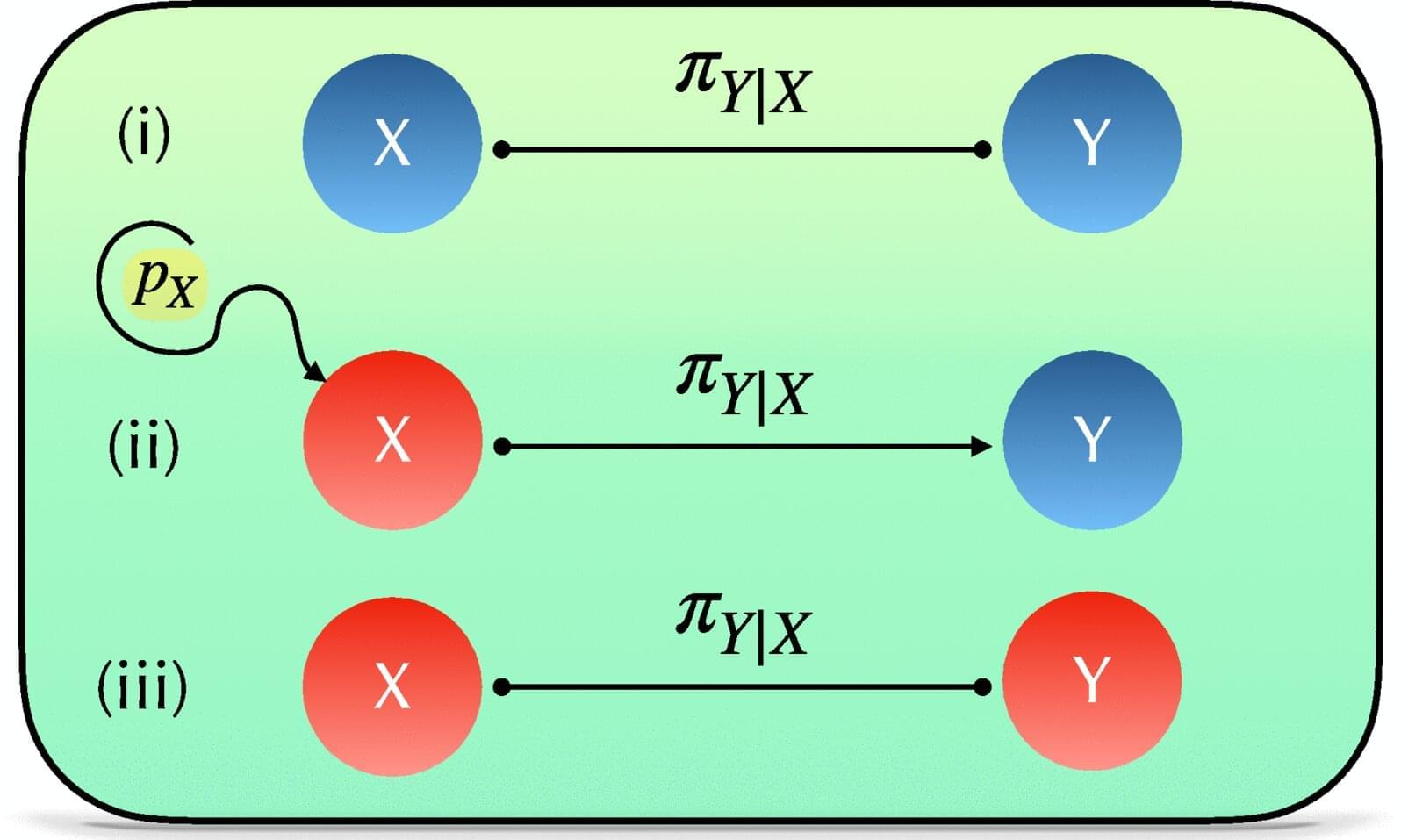
Every task we perform on a computer—whether number crunching, watching a video, or typing out an article—requires different components of the machine to interact with one another. “Communication is massively crucial for any computation,” says former SFI Graduate Fellow Abhishek Yadav, a Ph.D. scholar at the University of New Mexico. But scientists don’t fully grasp how much energy computational devices spend on communication.
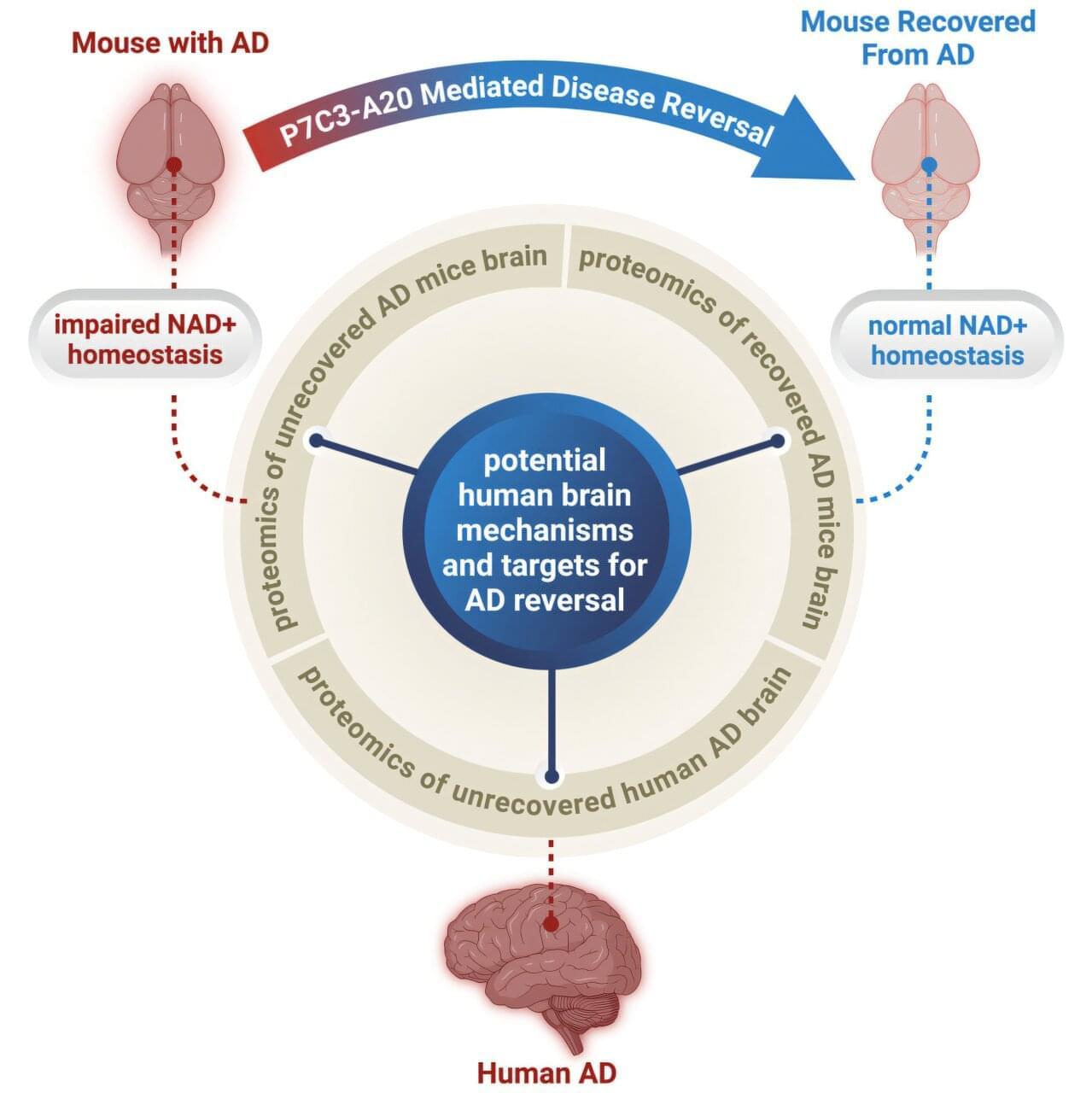
For over a century, Alzheimer’s disease (AD) has been considered irreversible. Consequently, research has focused on disease prevention or slowing, rather than recovery. Despite billions of dollars spent on decades of research, there has never been a clinical trial of a drug for AD with an outcome goal of reversing disease and recovering function.
Now, a research team from University Hospitals, Case Western Reserve University, and the Louis Stokes Cleveland VA Medical Center has challenged this long-held dogma in the field. They tested whether brains already badly afflicted with advanced AD could recover.
The study, led by Kalyani Chaubey, Ph.D., from the Pieper Laboratory, is published in Cell Reports Medicine.
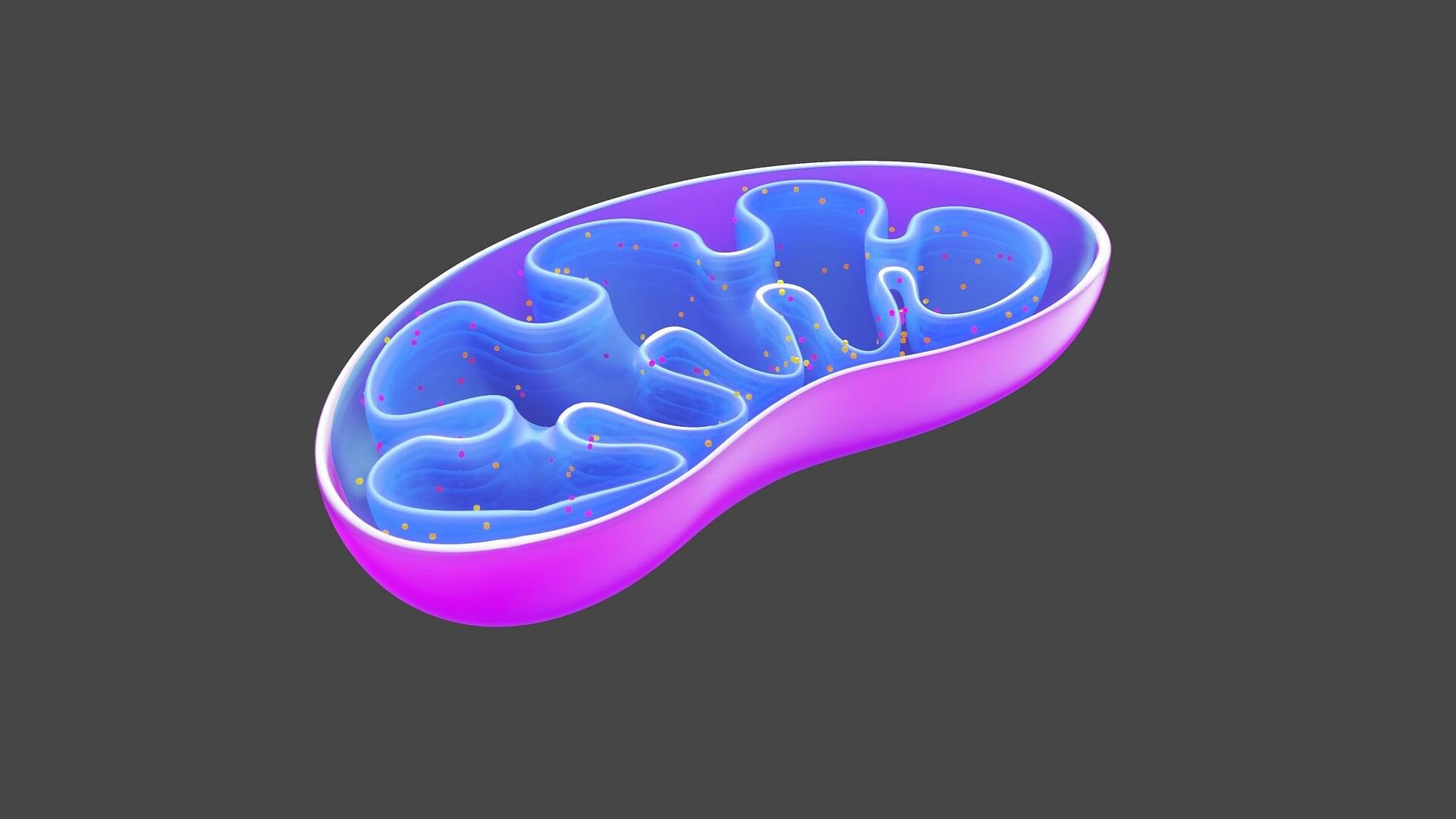
Researchers have developed experimental drugs that encourage the mitochondria in our cells to work a little harder and burn more calories. The findings could open the door to new treatments for obesity and improve metabolic health.
Obesity is a global epidemic and a risk factor for many diseases, including diabetes and cancer. Current obesity drugs require injections and can cause side effects, so a safe way to boost weight loss could deliver significant public health benefits.
The study, led by Associate Professor Tristan Rawling from the University of Technology Sydney (UTS), has just been published in Chemical Science, where it was highlighted as “pick of the week.”
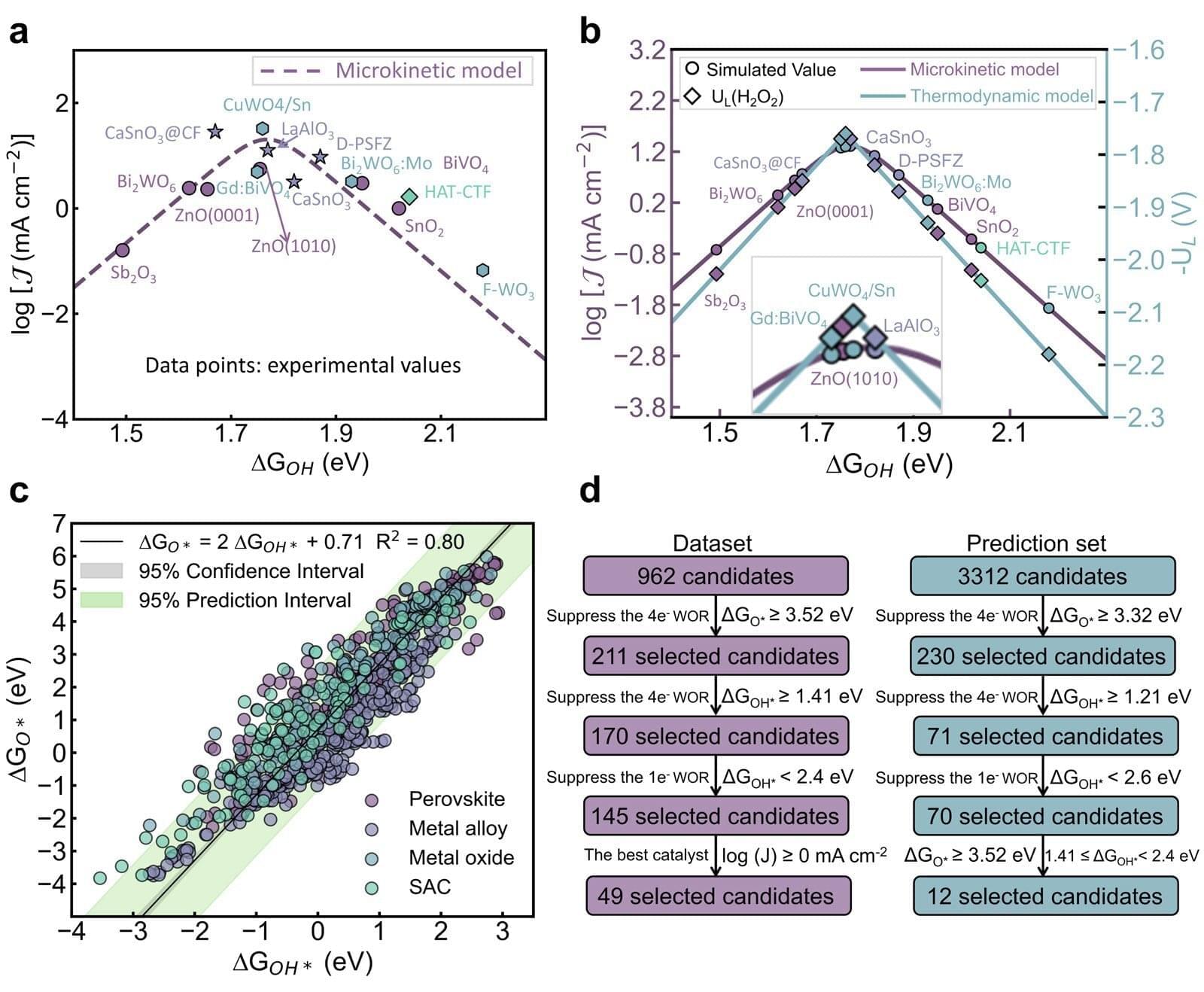
Hydrogen peroxide is widely used in everyday life, from disinfectants and medical sterilization to environmental cleanup and manufacturing. Despite its importance, most hydrogen peroxide is still produced using large-scale industrial processes that require significant energy. Researchers are thus seeking cleaner alternatives.
A team of researchers has made a breakthrough in this regard, developing a new computational framework that helps identify effective catalysts for producing hydrogen peroxide directly from water and electricity.
The work focuses on the two-electron water oxidation reaction, an electrochemical process that can generate hydrogen peroxide in a more localized and potentially sustainable way.

When black holes collide, the impact radiates into space like the sound of a bell in the form of gravitational waves. But after the waves, there comes a second reverberation—a murmur that physicists have theorized but never observed.
An international collaboration has for the first time simulated in detail what these whispers—called late-time gravitational wave tails —might “sound” like.
“So far, we’ve only seen tails in simplified models, not in full simulations of numerical relativity,” said Leo Stein, University of Mississippi associate professor of physics and astronomy and co-author of the study. “These are the first fully numerical simulations where we saw tails clearly.”