Toggle light / dark theme

Get the latest international news and world events from around the world.

Log in for authorized contributors

Generative AI tool enhances accuracy in detecting abnormal blood cells

An AI tool that can analyze abnormalities in the shape and form of blood cells, and with greater accuracy and reliability than human experts, could change the way conditions such as leukemia are diagnosed.

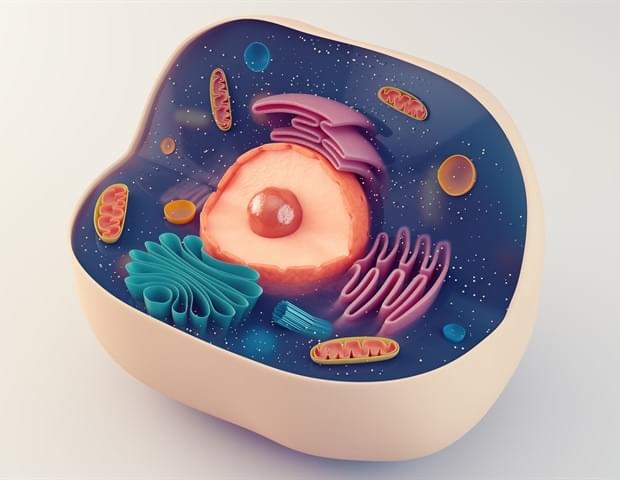
Researchers have created a system called CytoDiffusion that uses generative AI – the same type of technology behind image generators such as DALL-E – to study the shape and structure of blood cells.

Unlike many AI models, which are trained to simply recognize patterns, the researchers – led by the University of Cambridge, University College London and Queen Mary University of London – showed that CytoDiffusion could accurately identify a wide range of normal blood cell appearances and spot unusual or rare cells that may indicate disease. Their results are reported in the journal Nature Machine Intelligence.

Too Little and Too Much: Balanced Hippocampal, But Not Medial Prefrontal, Neural Activity Is Required for Intact Novel Object Recognition in Rats

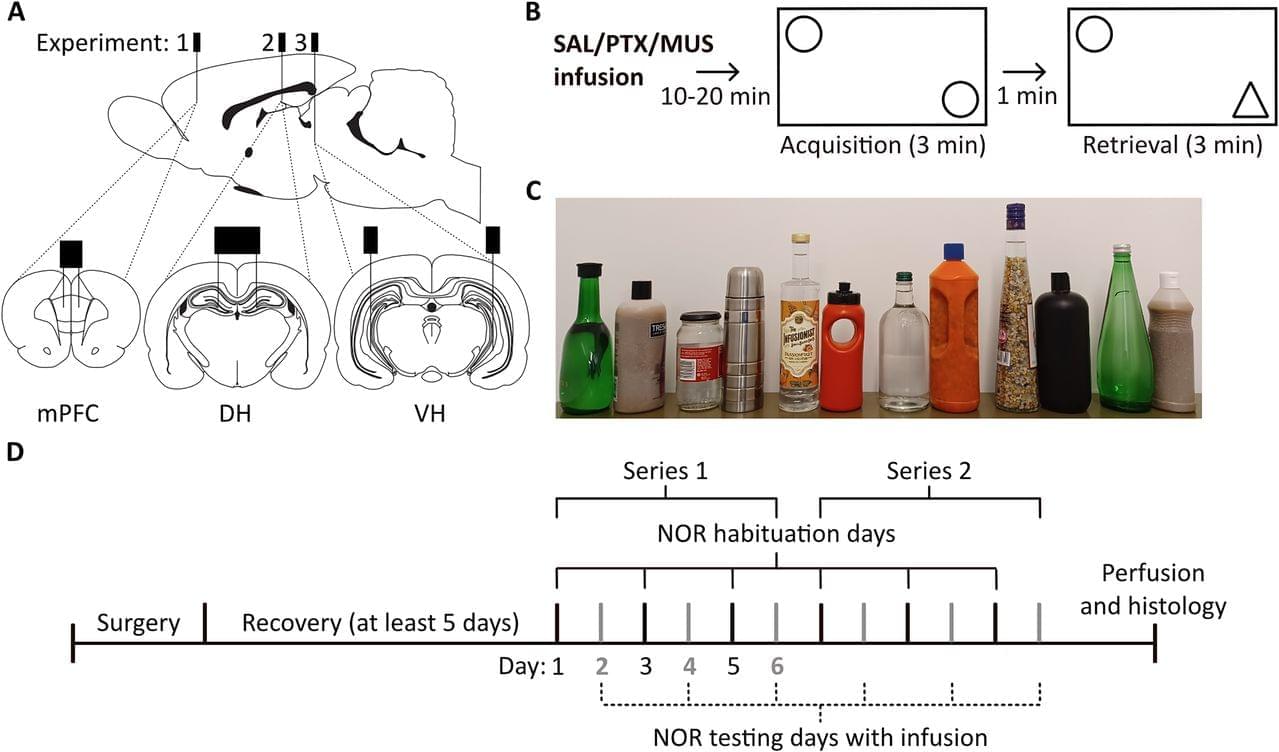
Impaired GABAergic inhibition, so-called neural disinhibition, in the prefrontal cortex and hippocampus has been linked to cognitive deficits. The novel object recognition (NOR) task has been used widely to study cognitive deficits in rodents. However, the contribution of prefrontal cortical and hippocampal GABAergic inhibition to NOR task performance has not been established. Here, we investigated NOR task performance in male Lister hooded rats following regional neural disinhibition or functional inhibition, using intracerebral microinfusion of the GABAA receptor antagonist picrotoxin or agonist muscimol, respectively. Our infusion targets were the medial prefrontal cortex (mPFC), dorsal hippocampus (DH), and ventral hippocampus (VH).

Molecular effects of indoor tanning

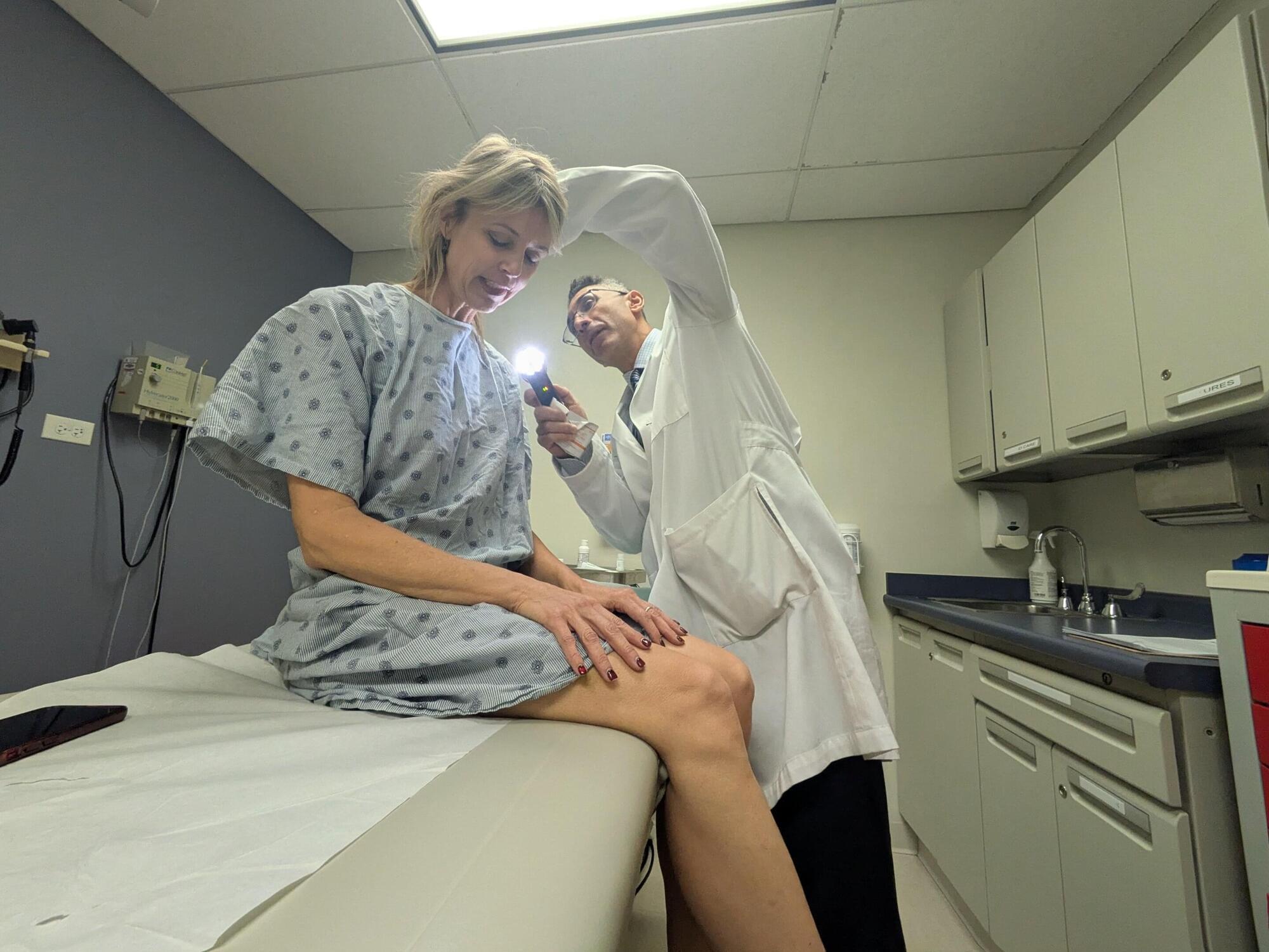
Tanning bed users have more melanomas in uncommonly diagnosed areas, according to new research.


The mutation burden of melanocytes in tanning bed users was nearly twofold that of melanocytes from control donors [median mutations per megabase (mut/Mb) of 5.69 versus 2.86] (Fig. 2B). This trend remained significant when we separately compared melanocytes by anatomic site (median mut/Mb of 8.82 versus 4.60 in upper back and 5.19 versus 2.05 in lower back) (Fig. 2C). The mutation burdens of cells from both control groups were less than the cells in the tanning cohort (fig. S2A).

We developed a linear mixed-effects (LME) model to determine whether tanning bed users had higher mutation burdens after adjusting for anatomic site and outliers (18). Specifically, we compared the tanning and control cohorts at the cell level while introducing a variable for anatomic site and including a random effect for different donors (fig. S3). In this analysis, the cells from tanning bed users had a significantly higher mutation burden (P = 1.3 × 10⁻²). However, we noted that cells from one donor (donor 59) had an extremely high mutation burden. To ensure that this donor was not entirely responsible for the differences observed, the analyses were repeated with a robust linear mixed-effects (RLME) model, which is less sensitive to outliers, heavy-tailed distributions, and model violations (19). In this analysis, the cells from tanning bed users continued to have a significantly higher mutation burden (P = 6.1 × 10⁻⁵).

We also compared mutation burdens at the biopsy level. We defined the mutation burden of a biopsy as the median mutation burden of its constituent melanocytes. Our statistical power was more limited in these comparisons because there were fewer independent biopsies than individual cells. On the lower back, tanning bed biopsies had significantly higher mutation burdens than control biopsies (Fig. 2D and fig. S2B). The difference was not statistically significant on the upper back (Fig. 2E and fig. S2C), although cell-level differences were significant at this site (Fig. 2C). The upper back is the most common site of sunburn (20) and melanoma (21), indicating that natural sunlight can induce high mutation burdens at this site, even without the additional influence of tanning beds. Since tanning bed–induced mutations would be expected to contribute to a smaller proportion of mutations in the underlying skin cells from the upper back, we would need a larger sample size to detect a statistically significant difference at the biopsy level.
Tanning beds mutate skin cells far beyond the reach of ordinary sunlight, study shows

Tanning bed use is tied to almost a three-fold increase in melanoma risk, and for the first time, scientists have shown how these devices cause melanoma-linked DNA damage across nearly the entire skin surface, reports a new study led by Northwestern Medicine and University of California, San Francisco.

The findings are published in Science Advances.

Melanoma, the deadliest skin cancer, kills about 11,000 in the U.S. each year. Despite decades of warnings, the precise biological mechanism behind tanning beds’ cancer risk remained unclear. The indoor tanning industry, which is making a comeback, has used that uncertainty to argue that tanning beds are no more harmful than sunlight.

RPG dev pushes back against Steam review AI accusations: ‘We poured years of our lives into this game and only worked with real human artists on everything’

The ubiquity of generative AI is a hard pill to swallow, but even harder is figuring out what’s AI and isn’t. It’s easier than ever now to reach for that low-hanging fruit of critique in saying that something looks like an AI spat it out, especially now that games are claiming they were, in fact, spat out entirely by AI. Positive Concept Games, the developer of SNES-esque RPG Shrine’s Legacy, found that out the hard way, as it shared in a post on X last Wednesday.

Please don’t do this. We poured years of our lives into this game and only worked with real human artists on everything: From the writing to the coding, all work was done by human hands. We do not endorse generative AI and will never use it. pic.twitter.com/3L7NKVX1L8 December 10, 2025

The dev shared a Steam review of the game that calls it “AI slop,” claims the “story is dogshit mixed with catshit,” and reiterates that the game was “made in CHAT GPT.” The developer caption reads: “Please don’t do this. We poured years of our lives into this game and only worked with real human artists on everything … We do not endorse generative AI and will never use it.”

Gray-Scale Median in Patients with Symptomatic and Asymptomatic Carotid Atherosclerosis—Risk Factors and Diagnostic Potential

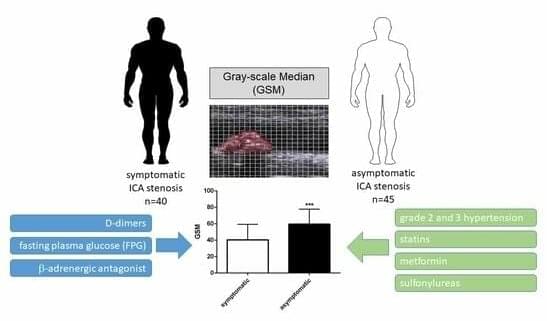
Background: The identification of clinical factors affecting the gray-scale median (GSM) and determination of GSM diagnostic utility for differentiating between symptomatic and asymptomatic internal carotid artery (ICA) stenosis. Methods: This study included 45 patients with asymptomatic and 40 patients with symptomatic ICA stenosis undergoing carotid endarterectomy (CEA). Echolucency of carotid plaque was determined using computerized techniques for the GSM analysis. Study groups were compared in terms of clinical risk factors, coexisting comorbidities, and used pharmacotherapy. Results: Mean GSM values in the symptomatic group were significantly lower than in the asymptomatic group (p < 0.001). Both in the univariate as well as in the multiple regression analysis, GSM was significantly correlated with D-dimers and fasting plasma glucose levels and tended to correlate with β-adrenoceptor antagonist use in the symptomatic group. In asymptomatic patients, GSM was associated with the presence of grade 2 and grade 3 hypertension, and tended to correlate with the use of metformin, sulfonylureas, and statin. Independent factors for GSM in this group remained as grade 3 hypertension and statin’s therapy. The receiver operating characteristic (ROC) analysis revealed that GSM differentiated symptomatic from asymptomatic ICA stenosis with sensitivity and specificity of 73% and 80%, respectively. Conclusion: The completely diverse clinical parameters may affect GSM in symptomatic and asymptomatic patients undergoing CEA, whose clinical characteristics were similar in terms of most of the compared parameters. GSM may be a clinically useful parameter for differentiating between symptomatic and asymptomatic ICA stenosis.

/* */