Toggle light / dark theme

Get the latest international news and world events from around the world.

Log in for authorized contributors

Ghostly solar neutrinos caught transforming carbon atoms deep underground

Neutrinos are one of the most mysterious particles in the universe, often called “ghost particles” because they rarely interact with anything else. Trillions stream through our bodies every second, yet leave no trace. They are produced during nuclear reactions, including those that take place in the core of our sun.

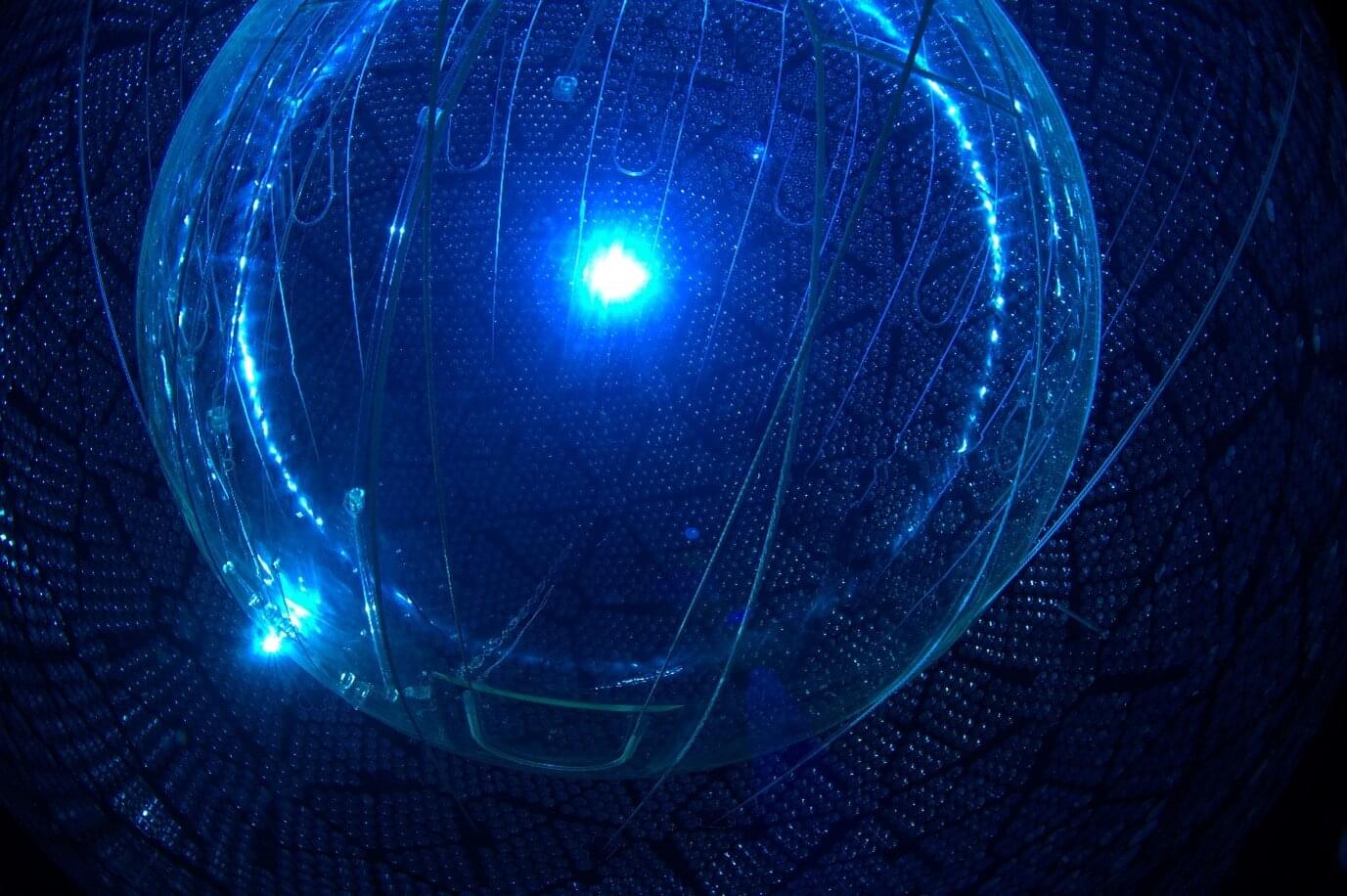
Their tendency to not interact often makes detecting neutrinos notoriously difficult. Neutrinos from the sun have only been seen to interact on a handful of different targets. Now, for the first time, scientists have succeeded in observing them transform carbon atoms into nitrogen inside a vast underground detector.

How the cerebellum builds its connections with the rest of the brain during early development

For the first time, a team of researchers at the Institute for Neurosciences (IN), a joint center of the Spanish National Research Council (CSIC) and Miguel Hernández University of Elche (UMH), has reconstructed how the cerebellum establishes its connections with the rest of the brain during the earliest stages of life.

The work, published in the journal Proceedings of the National Academy of Sciences, describes in detail the phases during which these neural connections emerge, expand, and are refined, offering the first comprehensive map of the development of cerebellar projections across the mouse brain.

Although the cerebellum has traditionally been associated with motor control, growing evidence shows that it also plays a role in processes such as emotional regulation, social behavior, and other cognitive functions. However, until now, it was not precisely known when it began interacting with other regions of the brain, communication that is fundamental for these cerebellar roles. This gap motivated the work of the group Development, Wiring and Function of Cerebellar Circuits, led by Juan Antonio Moreno Bravo at the IN.

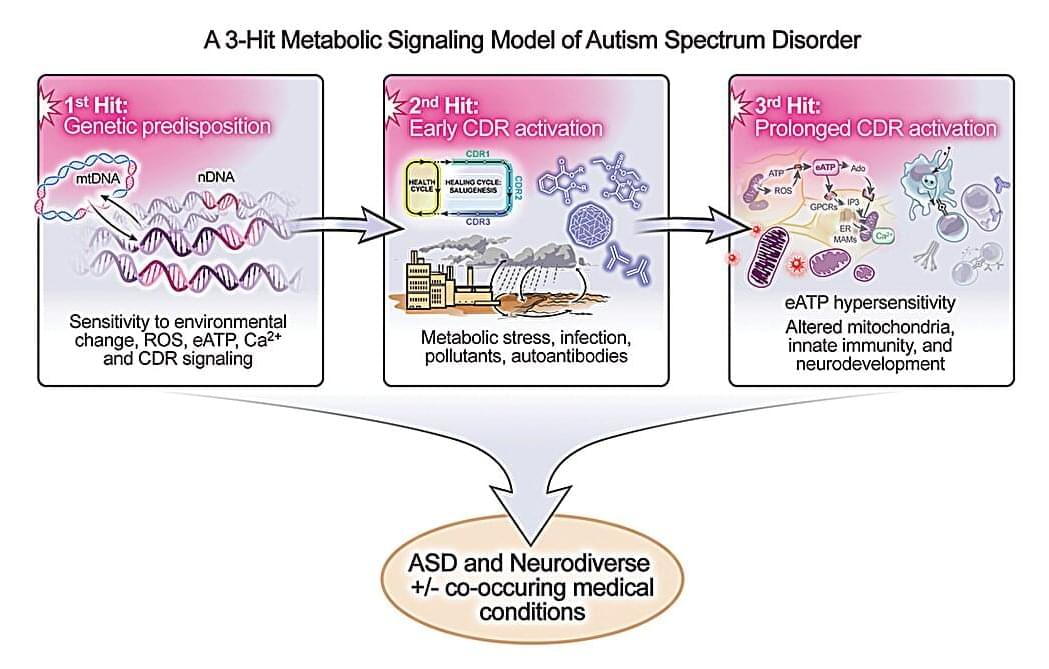
‘Three-hit model’ involving genes and environment describes possible causes of autism

A new University of California San Diego School of Medicine study offers a unified biological model to explain how genetic predispositions and environmental exposures converge to cause autism spectrum disorder (ASD).

The study, published in Mitochondrion, describes a “three-hit” metabolic signaling model that reframes autism as a treatable disorder of cellular communication and energy metabolism. The model also suggests that as many as half of all autism cases might be prevented or reduced with prenatal and early-life interventions.

“Our findings suggest that autism is not the inevitable result of any one gene or exposure, but the outcome of a series of biological interactions, many of which can be modified,” said study author Robert K. Naviaux, M.D., Ph.D., professor of medicine, pediatrics and pathology at UC San Diego School of Medicine.

Reddit field experiment examines what distinguishes lurkers from power users

Online discussions are often dominated by a small group of active users, while the majority remain silent. This imbalance can distort perceptions of public opinion and fuel polarization.

In a group-based field experiment on Reddit, researchers from the Max Planck Institute for Human Development, TU Dresden, and Stanford University have investigated why some people remain silent readers (“lurkers”) while others are particularly active (“power users”)—and which measures might encourage people to join the discussion.

Results from the experiment are published in the journal Science Advances.

Body image issues in adolescence are linked to depression in adulthood, twin study finds

Teenagers who are unhappy with their bodies are more likely to develop symptoms of eating disorders and depression in early adulthood, according to a new study led by University College London (UCL) researchers.

The research, believed to be the first of its kind, followed more than 2,000 twins born in England and Wales. It found that higher body dissatisfaction at age 16 predicted greater symptoms of eating disorders and depression well into the twenties, even after taking into account family background and genetics.

Researchers say the findings strengthen evidence that a negative body image is not just a reflection of poor mental health, but that it can also contribute to it.

Genetic overlap of 14 psychiatric disorders explains why patients often have multiple diagnoses

An international collective of researchers is delivering new insights into why having multiple psychiatric disorders is the norm rather than the exception. In a study published today in the journal Nature, the team provides the largest and most detailed analysis to date on the genetic roots shared among 14 conditions.

The study is the latest effort from the Psychiatric Genomics Consortium’s Cross-Disorder Working Group, co-chaired by Kenneth Kendler, M.D., a professor in the Department of Psychiatry at Virginia Commonwealth University’s School of Medicine, and Jordan Smoller, M.D., a professor in the Department of Psychiatry at Harvard Medical School.

The majority of people diagnosed with a psychiatric disorder will ultimately be diagnosed with a second or third disorder in their lifetime, creating challenges for defining and treating these conditions. While a person’s environment and lived experience influence their risk for developing multiple disorders, their genetic makeup can also play a significant role.

Stress hormones can alter brain networks and strengthen emotional memories

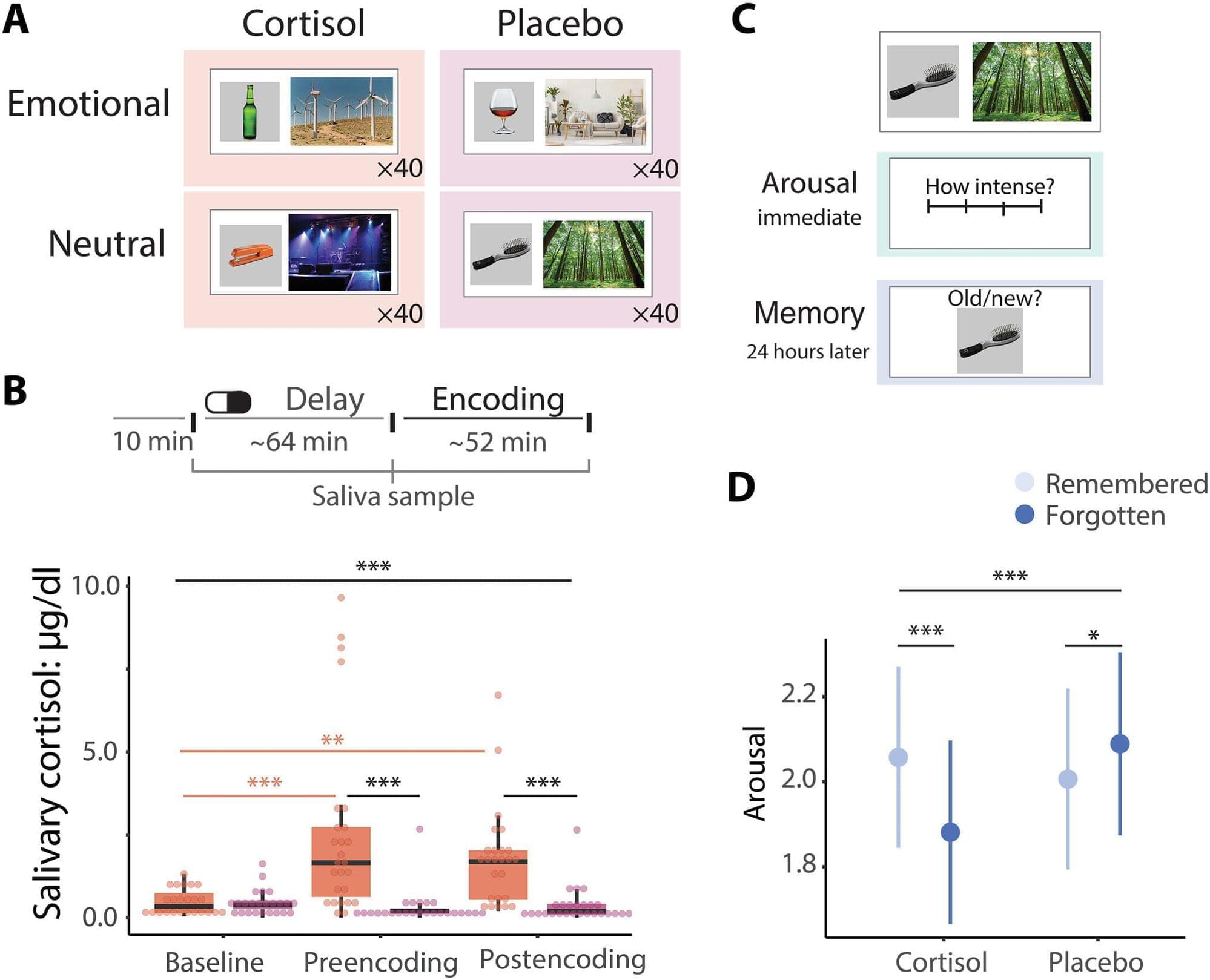
Stress influences what we learn and remember. The hormone cortisol, which is released during stressful situations, can make emotional memories in particular stronger. But how exactly does cortisol help the brain build emotional memories?

In a new study, Yale researchers investigated just that. Specifically, they wanted to know how cortisol acts separately on brain circuits that track emotion and those that track memory. They found that cortisol not only helped people remember emotional experiences but also enhanced emotional memory by changing the dynamic brain networks associated with both memory and emotion.

“We all experience stress, and my lab is interested in understanding how stress can be helpful,” said corresponding author Elizabeth Goldfarb, an assistant professor of psychiatry at Yale School of Medicine and of psychology in the Faculty of Arts and Sciences.

Study links vanishing of specific heats at absolute zero with principle of entropy increase

In a new publication, Professor José-María Martín-Olalla, from the Department of Condensed Matter Physics at the University of Seville, has described the direct link between the vanishing of specific heats at absolute zero—a general experimental observation established in the early 20th century—and the second law of thermodynamics.

The study, published in Physica Scripta, reinterprets a 100-year-old problem and completes the consequences of the principle of increasing entropy in the universe.

The new study follows another published in the European Physical Journal Plus in June 2025, in which Professor Martín-Olalla linked Nernst’s theorem (the other general property of matter at absolute zero) with the second law of thermodynamics, correcting an original idea of Einstein’s.

Slow changes in radio scintillation can nudge pulsar timing by billionths of a second

For 10 months, a SETI Institute-led team watched pulsar PSR J0332+5434 (also called B0329+54) to study how its radio signal “twinkles” as it passes through gas between the star and Earth. The team used the Allen Telescope Array (ATA) to take measurements between 900 and 1,956 MHz and observed slow, significant changes in the twinkling pattern (scintillation) over time.

The research is published in The Astrophysical Journal.

Pulsars are spinning remnants of massive stars that emit flashes of radio waves, a type of light, in very precise and regular rhythms, due to their high rotation speed and incredible density. Scientists can use sensitive radio telescopes to measure the exact times at which pulses arrive in the search for patterns that can indicate phenomena such as low-frequency gravitational waves.

New iron telluride thin film achieves superconductivity for quantum computer chips

If quantum computing is going to become an every-day reality, we need better superconducting thin films, the hardware that enables storage and processing of quantum information. Too often, these thin films have impurities or other defects that make them useless for real quantum computer chips.

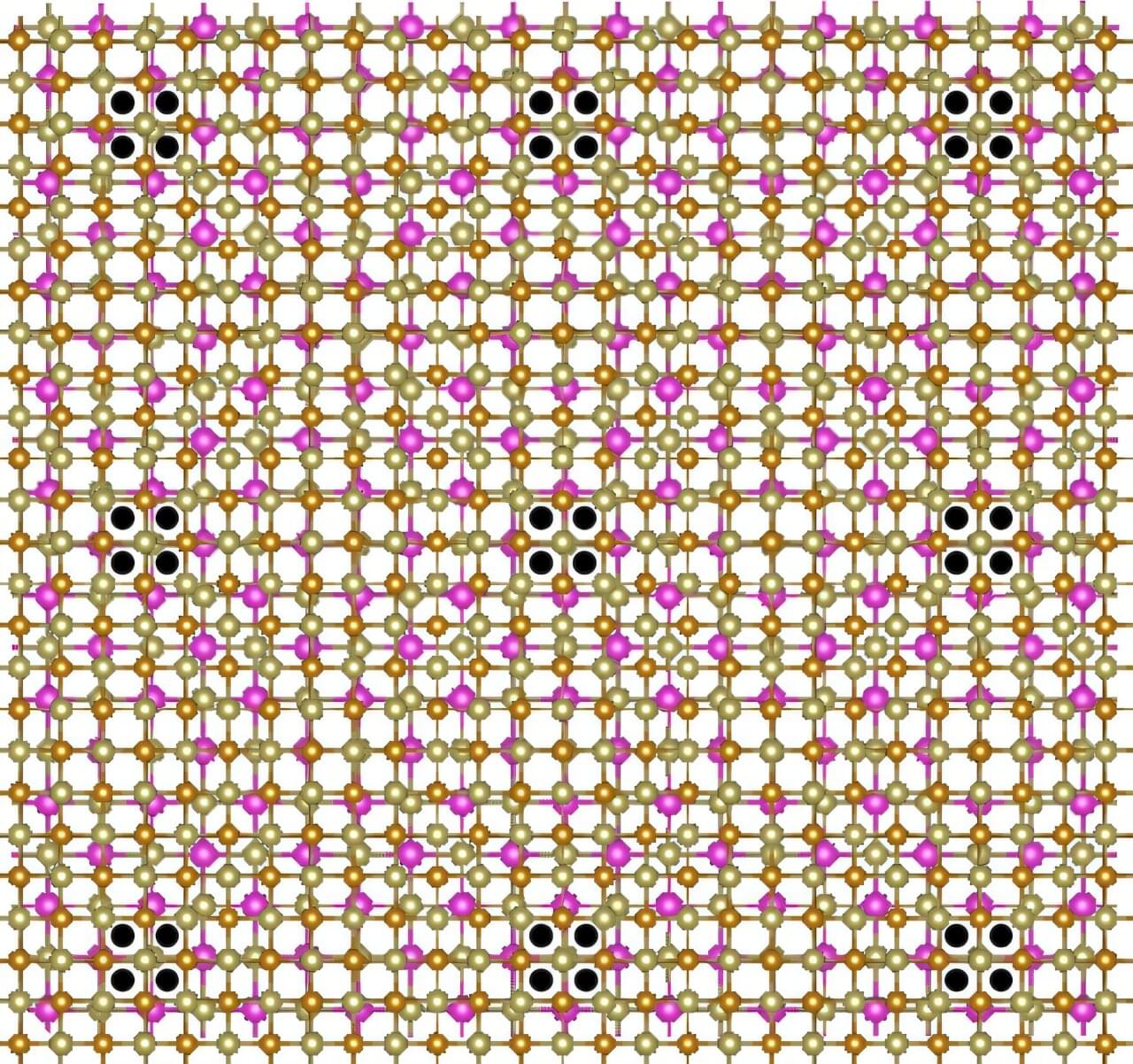
Now, Yuki Sato and colleagues at the RIKEN Center for Emergent Matter Science (CEMS) in Japan have discovered a way to make a superconducting thin film from iron telluride, which is surprising because it is not normally superconducting.

The fabrication process reduces distortion in the crystal structure, making it superconducting at very low temperatures, and thus suitable for use in quantum chips. This study was published in Nature Communications.

/* */