
The term resistant hypertension has been variably applied to patients with high blood pressure (BP) since at least the 1960s.1 Specific definitions have evolved over time to align with advances in treatment and BP goals. In 2018, the American Heart Association updated its definition of resistant…
Get the latest international news and world events from around the world.

Notes on Ultrasound Physics
PDF version: Notes on Ultrasound Physics – by Logan Thrasher Collins Fundamentals of ultrasound waves Sound waves such as those in ultrasound are longitudinal waves where particles oscillate …

Introducing Codex
Introducing Codex: a cloud-based software engineering agent that can work on many tasks in parallel, powered by codex-1. With Codex, developers can simultaneously deploy multiple agents to independently handle coding tasks such as writing features, answering questions about your codebase, fixing bugs, and proposing pull requests for review.
Artificial blood
Depending on the type of artificial blood that is made, various raw materials are used. Hemoglobin-based products can use either isolated hemoglobin or synthetically produced hemoglobin.
To produce hemoglobin synthetically, manufacturers use compounds known as amino acids. These are chemicals that plants and animals use to create the proteins that are essential for life. There are 20 naturally occurring amino acids that may be used to produce hemoglobin. All of the amino acid molecules share certain chemical characteristics. They are made up of an amino group, a carboxyl group, and a side chain. The nature of the side chain differentiates the various amino acids. Hemoglobin synthesis also requires a specific type of bacteria and all of the materials needed to incubate it. This includes warm water, molasses, glucose, acetic acid, alcohols, urea, and liquid ammonia.
For other types of hemoglobin-based artificial blood products, the hemoglobin is isolated from human blood. It is typically obtained from donated blood that has expired before it is used. Other sources of hemoglobin come from spent animal blood. This hemoglobin is slightly different from human hemoglobin and must be modified before being used.
The World’s First True Artificial Superintelligence | Asinoid by ASILAB
ASILAB is excited to introduce Asinoid – the world’s first true artificial superintelligence built on the architecture of the human brain. Designed to think, learn, and evolve autonomously like a living organism.
Learn more on our website: http://asilab.com.
Asinoid isn’t just another AI. Unlike today’s pre-trained, prompt-driven models and agents, Asinoid is a self-improving and proactive mind. It learns over time. It remembers. It sets its own goals. And it gets smarter by rewiring itself from within.
An Asinoid can power a fleet of autonomous drones. Act as the brain inside your security system. It can drive your R&D, run your meetings, become the cognitive layer behind your SaaS product or even co-found a company with you.
The possibilities are endless. And we want to explore them with you.
We’re opening access to pioneering companies, researchers, and developers who want to build with us. If you’re ready to create something groundbreaking, let’s get started.
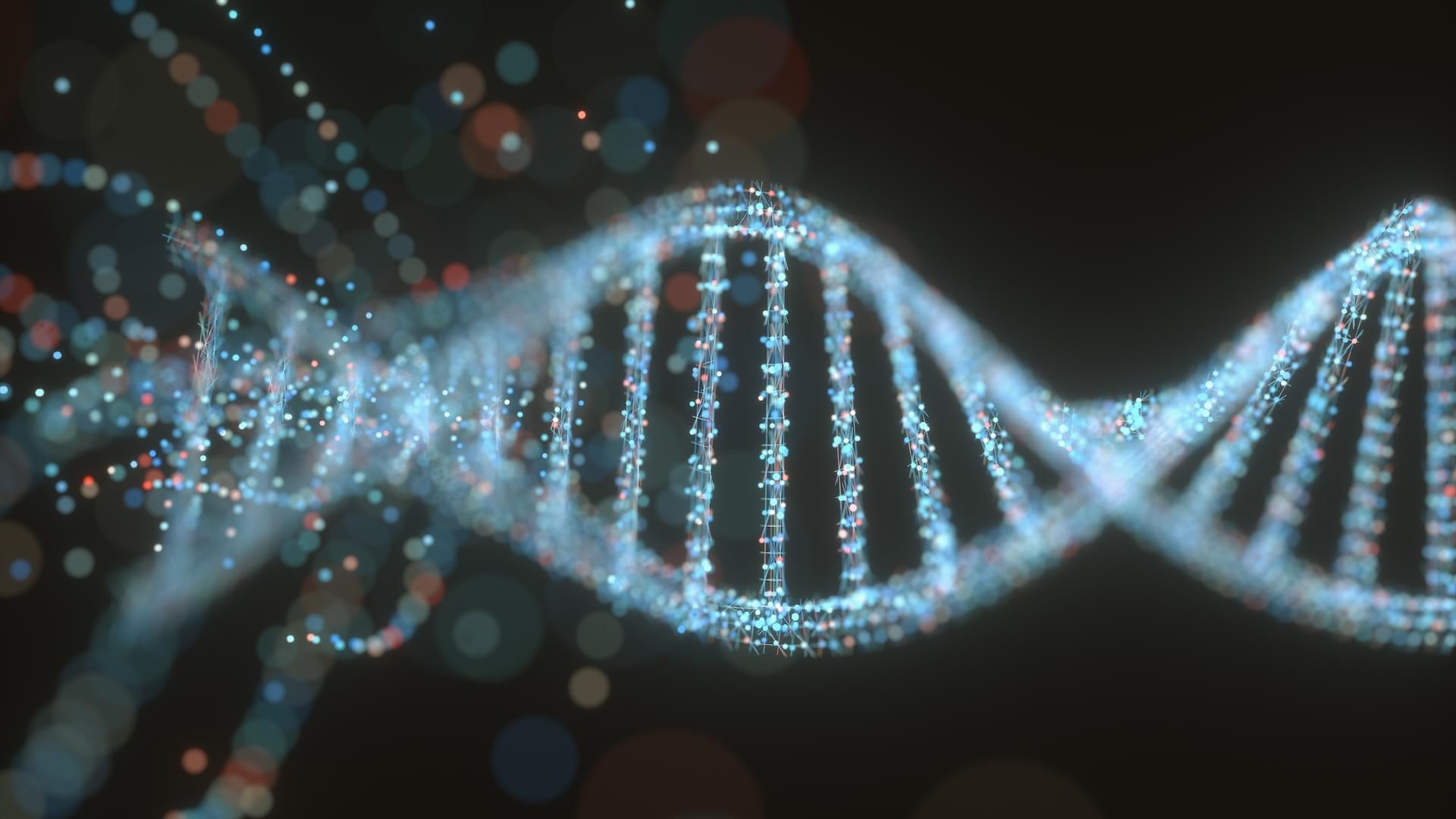
New CRISPR alternative can ‘install’ whole genes, paving the way to treatment for many genetic disorders
A new gene editor takes advantage of CRISPR-associated proteins to insert whole genes into the genome, scientists report.
The AI Expert: “Super AI Will Be Unstoppable!” — What’s Coming NEXT | Stephen Wolfram
🔔 Subscribe for new episodes: https://www.youtube.com/@seankim?sub_confirmation=1▶️ Recommended for you: https://www.youtube.com/watch?v=xGlVx_6_A3oStephen…
Ingredient in energy drinks may help fuel aggressive blood cancers
A new study published in Nature has identified taurine, a common ingredient in energy drinks, as a nutrient that supports the survival and growth of leukemia stem cells in aggressive blood cancers.
Though taurine is known for its antioxidant and neuroprotective properties, the findings suggest it may play a harmful role in certain cancers.
The study’s authors caution that taurine supplements, including those in energy drinks, could influence disease progression in leukemia patients and recommend further research.
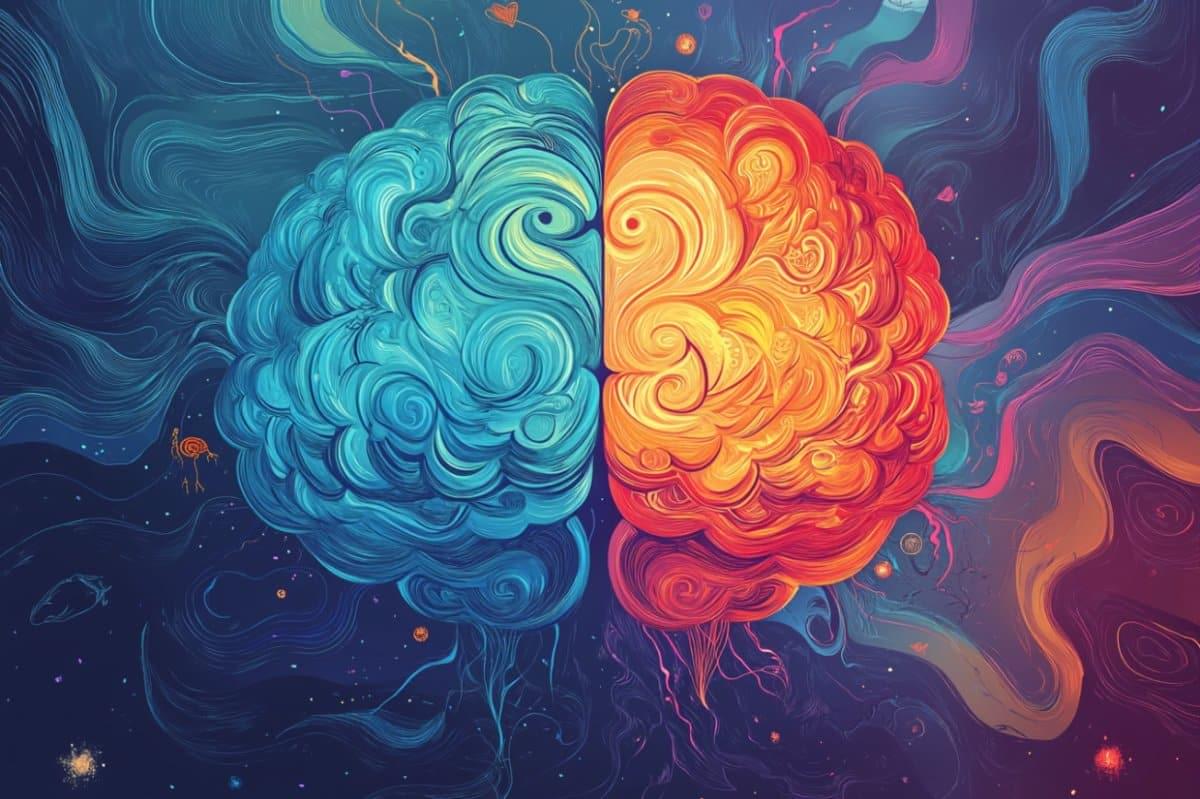
Psychedelics May Shift Brain Power to the Right Hemisphere
A new theory suggests that psychedelics promote empathy, insight, and psychological flexibility by making the brain’s right hemisphere temporarily dominant over the left.
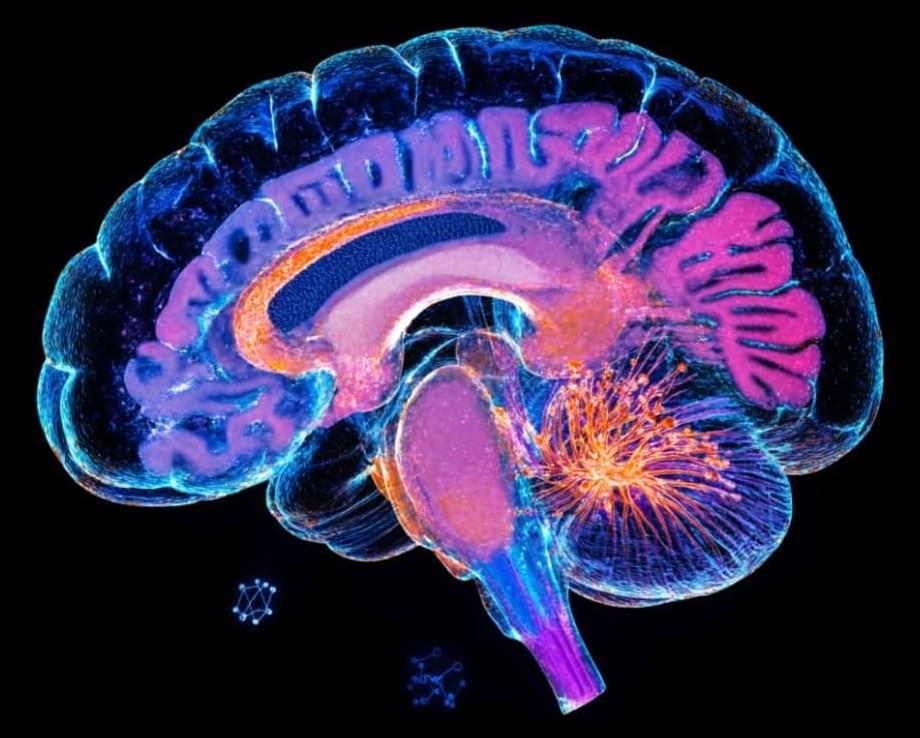
Clues in Spinal Fluid Could Unlock Early FTD Diagnosis
Frontotemporal dementia (FTD), a common form of early-onset dementia, is often misdiagnosed due to its overlapping symptoms with psychiatric and neurological disorders.