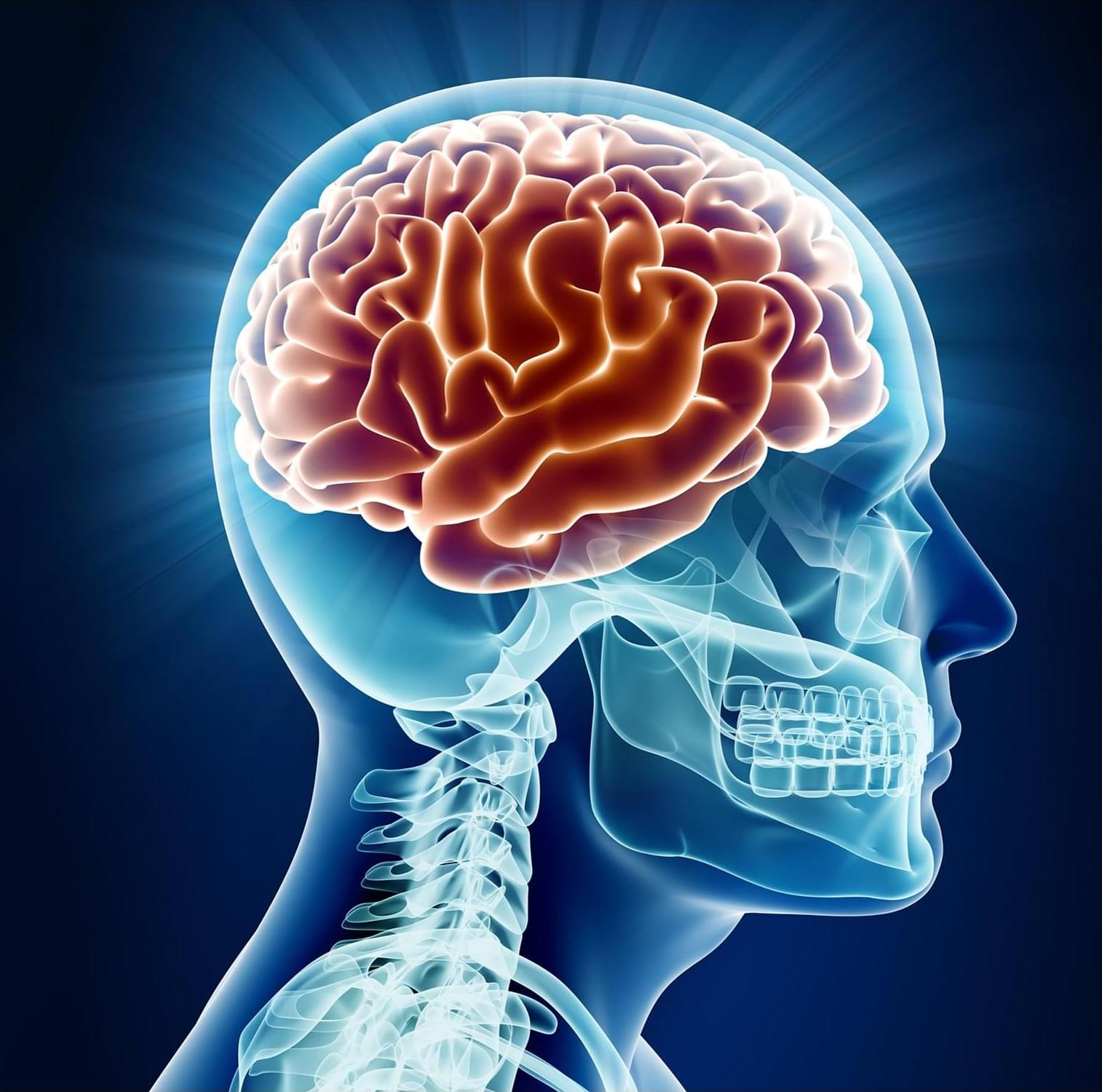
Between midlife and older age, brain cells undergo unexpected shifts in inflammation and gene regulation. The findings suggest that brain aging may be an active biological remodeling process rather than a simple, gradual decline.
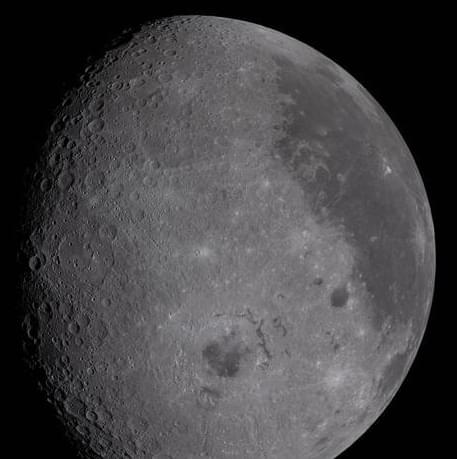
By simulating how moonquake vibrations travel faster through frozen soil, scientists developed a method using seismic waves to locate and measure buried water ice for future lunar missions. [ https://www.labroots.com/trending/space/30859/lunar-ice-foun…onquakes-2](https://www.labroots.com/trending/space/30859/lunar-ice-foun…onquakes-2)
What new methods can be developed to identify locations of water ice on the Moon? This is what a recent study published in Science Advances hopes to address as a team of researchers investigated a novel method for identifying water ice deposits on the Moon. This study has the potential to help scientists, engineers, mission planners, and future astronauts use new strategies for finding lunar water ice, which could substantially reduce the financial and logistical costs of sending it from Earth.
For the study, the researchers used seismic waves produced by moonquakes to ascertain if these could be used to identify lunar water ice deposits. The primary motivation behind the study was to improve methods for identifying lunar water ice deposits, which comes as NASA is planning on returning humans to the Moon in 2028, along with ambitious plans to build a Moon base near the south pole.
To accomplish this study, the researchers used a combination of X-ray analysis of frozen volcanic rocks, computer simulations, and map analysis of the lunar south pole craters. In the end, the researchers found that lunar water ice stood out among lunar seismic waves, indicating this method could prove beneficial for future missions. The primary reason is the researchers found that lunar seismic waves move through water ice differently than dry regolith (aka Moon dust).
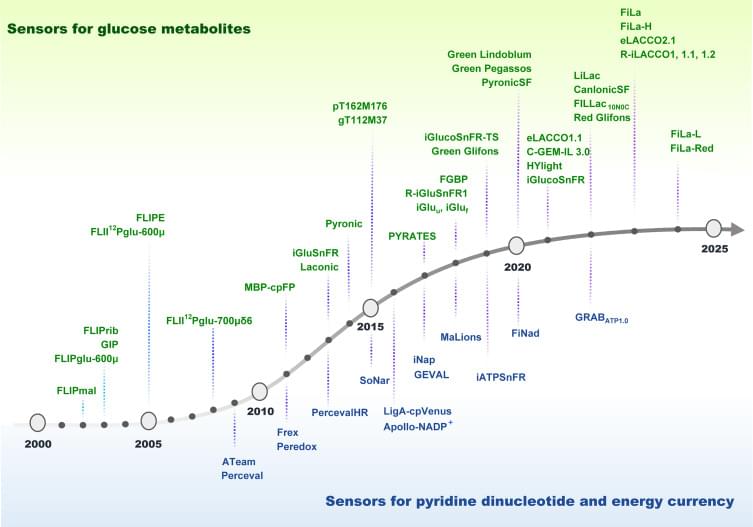
Recent years have seen the rapid development of genetically encoded fluorescent sensors that can achieve specific and sensitive monitoring of metabolites in glucose metabolism. In this perspective, Li et al. discuss the different biosensors and their applications in understanding glucose metabolism.
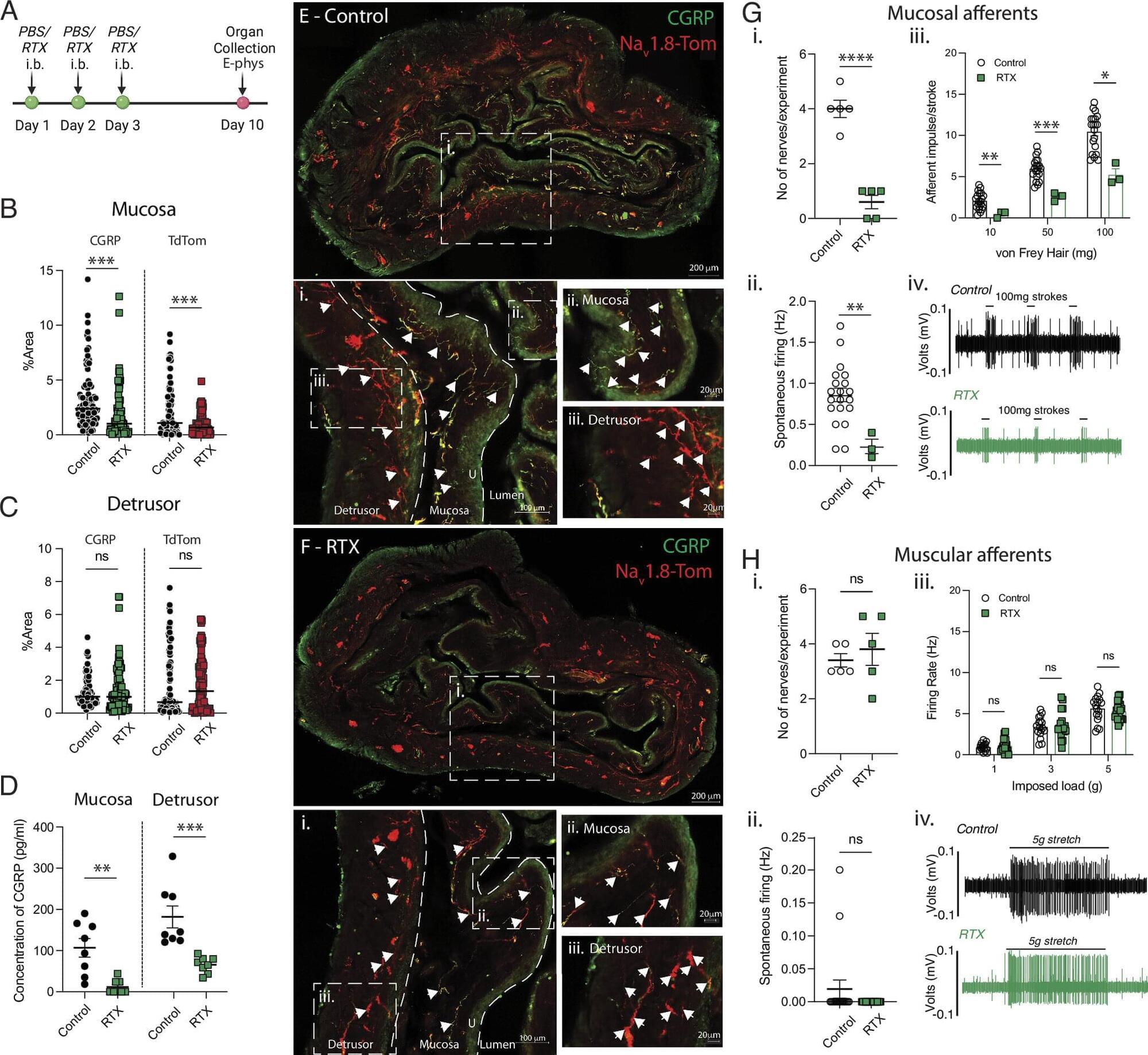
Australian researchers have discovered a previously overlooked group of bladder nerves that help detect urinary tract infections (UTIs) and trigger the body’s response to clear them, providing a potential new target for future bladder pain therapies.
The study shows that bladder nerves located close to the bladder lining act as frontline infection sensors, helping the body recognize UTIs and trigger responses that reduce the severity and spread of infection. The work is published in the journal Proceedings of the National Academy of Sciences.
UTIs are among the most common bacterial infections worldwide, with more than 400 million cases reported every year. Nearly one in three women will experience UTIs before the age of 24, and many older people and those with bladder issues from spinal cord injuries can experience multiple UTIs in a single year.
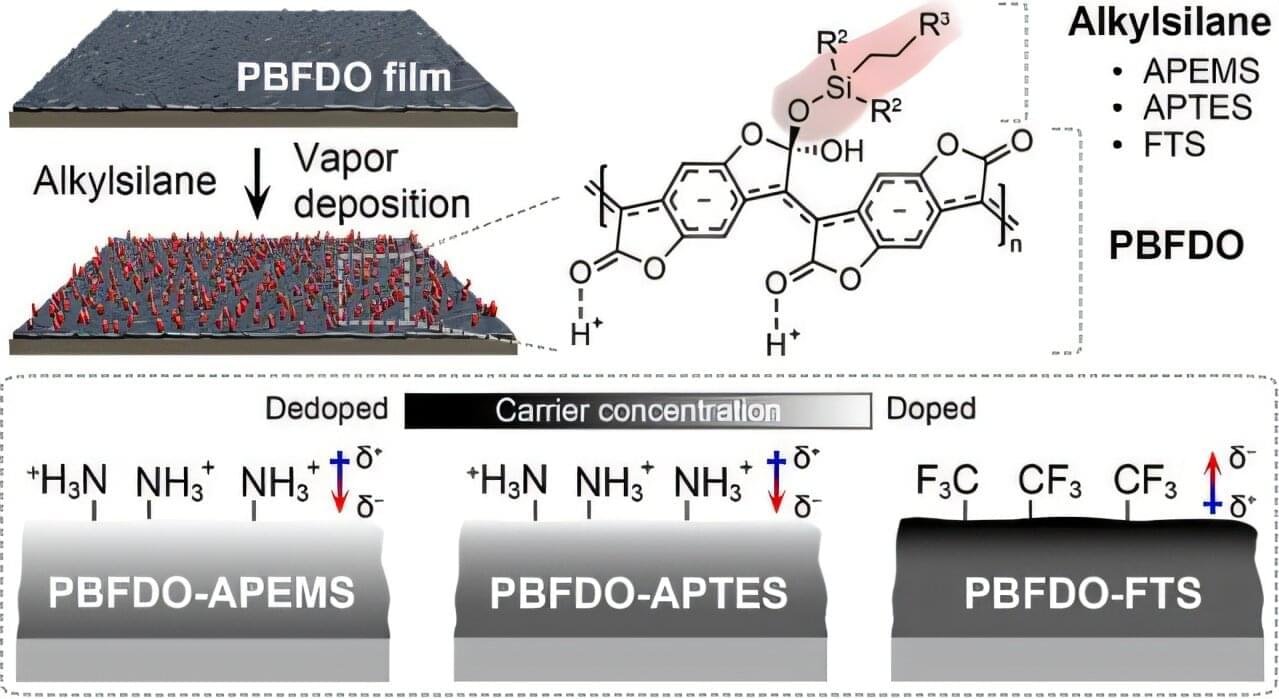
A research team led by Professor Kang Bosoek of the SKKU Advanced Institute of Nano Technology (SAINT), Department of Nano Engineering and Department of Semiconductor Convergence Engineering at Sungkyunkwan University has developed two new molecular design technologies to enhance the electrical conductivity of organic electronic materials. One technology generates a greater number of charge carriers within a polymer, while the other connects transport pathways so that charge can move without interruption.
The findings were published, respectively, in the Journal of the American Chemical Society and Nature Communications. The paper published in the Journal of the American Chemical Society was also selected as a cover article.
Organic semiconductors are lightweight and flexible materials expected to be used in next-generation displays, wearable electronics and sensors. However, for practical use in electronic devices, their electrical conductivity must be improved—which requires generating a sufficient amount of charge and ensuring that the charge, once generated, can move rapidly through the material. Through two separate studies, the research team addressed these two challenges in a complementary way.
What if the TARDIS isn’t just science fiction… but a glimpse into physics far beyond our understanding?
The TARDIS is one of the most iconic machines ever created. It’s bigger on the inside, travels through time, ignores the speed of light, and somehow arrives exactly where the Doctor is needed.
But could any of this have a scientific explanation?
In this video, we explore the real physics behind Doctor Who’s greatest invention, including:
• Why the TARDIS is bigger on the inside.
• Pocket universes and higher dimensions.
• The Time Vortex explained.
• Could wormholes or extra dimensions make it possible?
• The Eye of Harmony and limitless energy.
• Why the TARDIS appears to be alive.
• Time travel, causality and paradoxes.
• Fixed points in time.
• Could humanity ever build something remotely similar?
Using concepts from modern theoretical physics—including Einstein’s relativity, extra dimensions, wormholes, and causality—we compare real science with one of the greatest fictional technologies ever imagined.
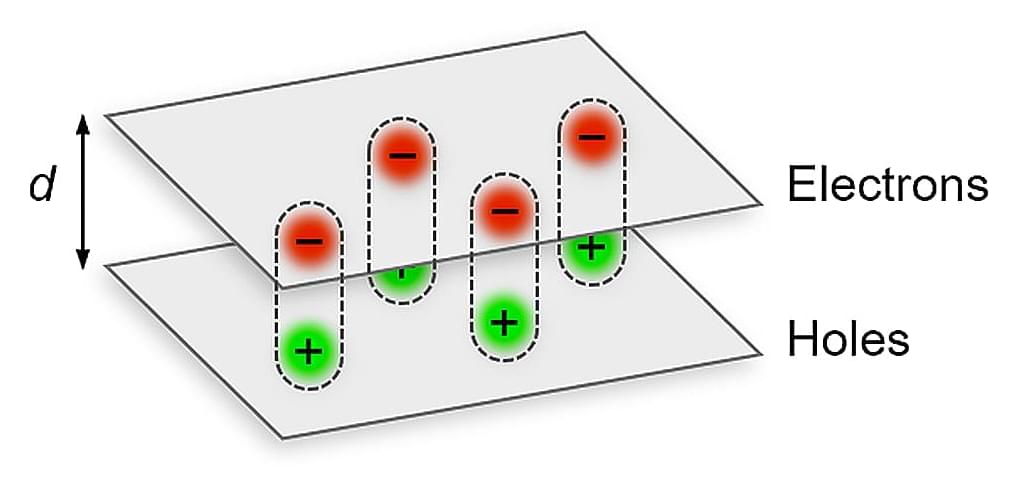
Bose-Einstein Condensates (BECs) are often described as a “fifth state of matter”: a quantum state in which many particles lose their individual identities and behave as one collective object. For more than 60 years, researchers have sought to create such condensates from excitons — electron-hole pairs — as a solid-state route to macroscopic quantum coherence, which is useful for quantum technologies. This has been difficult to realize in controllable semiconductor devices because optically generated excitons have very short lifespans of around a billionth of a second, and BECs are normally attained with supercold gasses in a vacuum.
But now, a team led by Lawrence Berkeley National Laboratory (Berkeley Lab) has observed a tunable BEC of excitons at high temperature in an atomically thin semiconductor. The findings, published in Nature, reveal not only that the excitons form a BEC, but also that the condensate has an internal structure that can be switched by a magnetic field.