
CISA warns of VMware zero-day exploited by China-linked hackers before Broadcom patch.
Get the latest international news and world events from around the world.

A New Security Layer for macOS Takes Aim at Admin Errors Before Hackers Do
ThreatLocker’s DAC for macOS Beta scans configurations up to four times daily to expose security gaps.

Google’s Built-In AI Defenses on Android Now Block 10 Billion Scam Messages a Month
Google’s Android defenses block 10B scam messages monthly, exposing new fraud tactics and shifting hotspots.
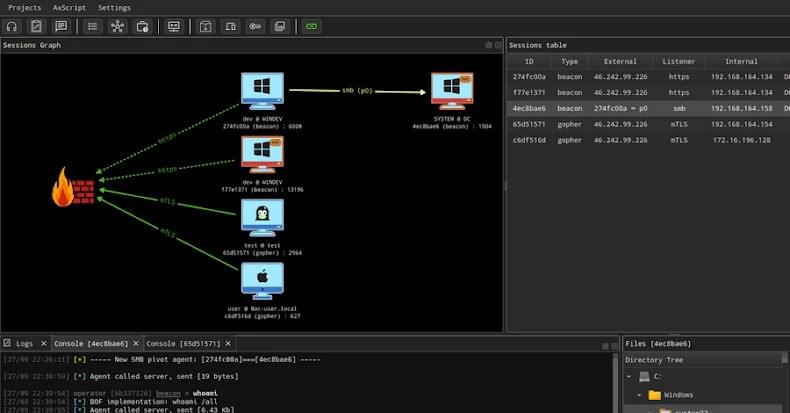
Russian Ransomware Gangs Weaponize Open-Source AdaptixC2 for Advanced Attacks
Open-source AdaptixC2, once for ethical hacking, is now used by Russian ransomware groups.
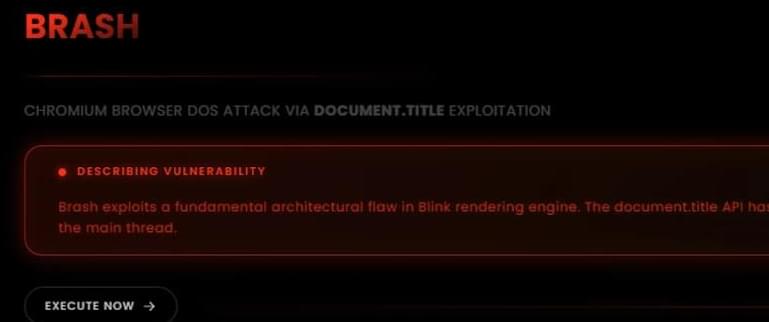
New “Brash” Exploit Crashes Chromium Browsers Instantly with a Single Malicious URL
New “Brash” flaw lets attackers crash Chromium browsers in under a minute using DOM overloads.

PhantomRaven Malware Found in 126 npm Packages Stealing GitHub Tokens From Devs
Researchers uncover PhantomRaven, a 126-package npm attack stealing GitHub tokens via remote dependencies.
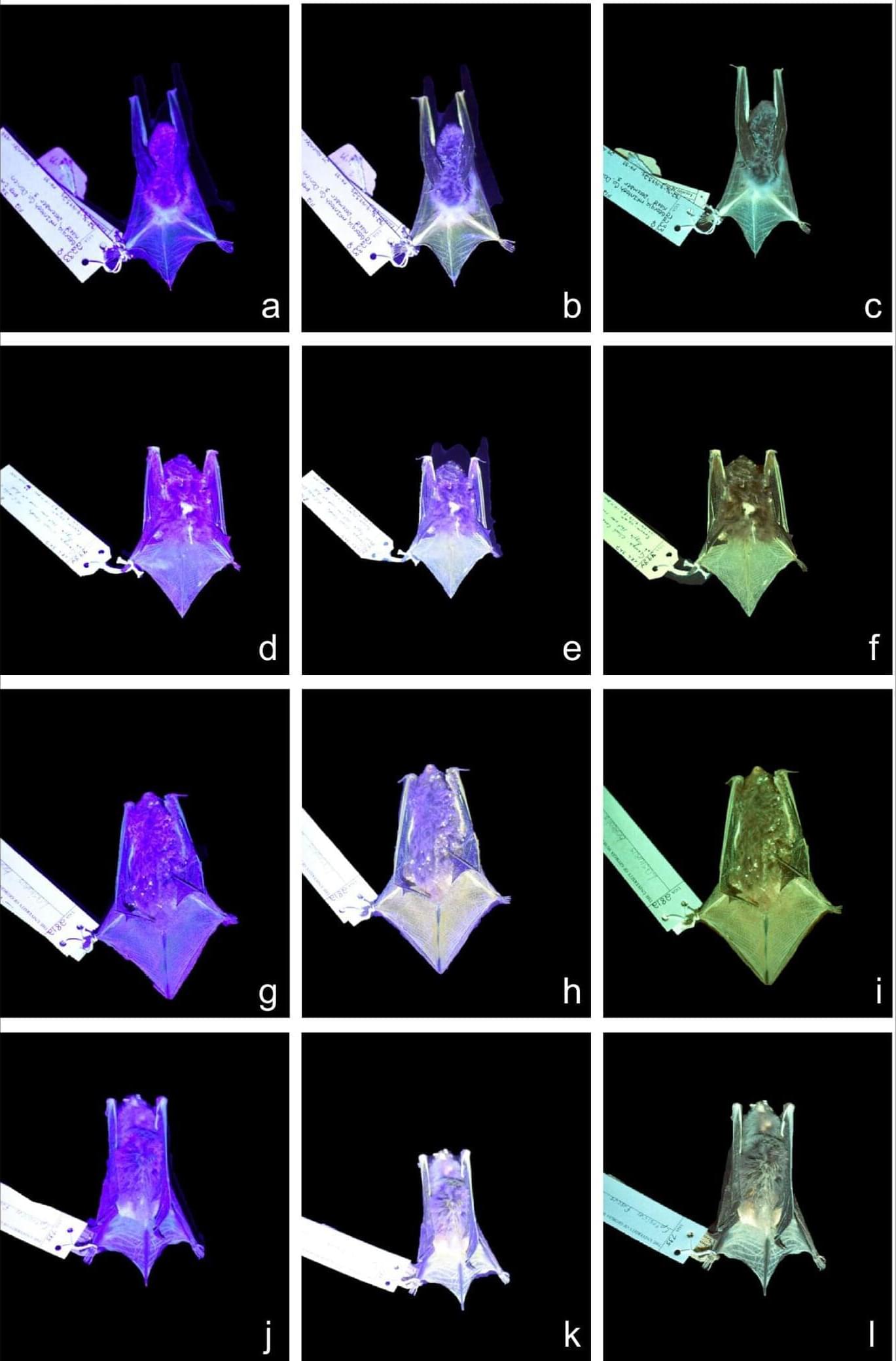
Glowing Green: A Quantitative Analysis of Photoluminescence in Six North American Bat Species
WhatsApp is rolling out passkey-encrypted backups for iOS and Android devices, enabling users to encrypt their chat history using their fingerprint, face, or a screen lock code.
Passkeys are a passwordless authentication method that allows users to sign in using biometrics (such as face recognition or fingerprint), PINs, or security patterns instead of traditional passwords. They enable logging into websites, online services, or apps without needing to remember complex passwords or use a password manager.
When creating a passkey, your device generates a unique cryptographic key pair consisting of a private key stored on the device and a public key sent to the website or app. Because of this, passkeys provide significantly improved security over regular credentials, seeing that they can’t be stolen in data breaches because the private key never leaves your device.

Massive surge of NFC relay malware steals Europeans’ credit cards
Near-Field Communication (NFC) relay malware has grown massively popular in Eastern Europe, with researchers discovering over 760 malicious Android apps using the technique to steal people’s payment card information in the past few months.
Contrary to the traditional banking trojans that use overlays to steal banking credentials or remote access tools to perform fraudulent transactions, NFC malware abuses Android’s Host Card Emulation (HCE) to emulate or steal contactless credit card and payment data.
They capture EMV fields, respond to APDU commands from a POS terminal with attacker-controlled replies, or forward terminal requests to a remote server, which crafts the proper APDU responses to enable payments at the terminal without the physical cardholder present.

Scientists discover a way simulate the Universe on a laptop
Scientists have developed a groundbreaking tool called Effort.jl that lets them simulate the structure of the universe using just a laptop. The team created a system that dramatically speeds up how researchers study cosmic data, turning what once took days of supercomputer time into just a few hours. This new approach helps scientists explore massive datasets, test models, and fine-tune their understanding of how galaxies form and evolve.

AI Is Making the Aircraft of the Future Possible
How Siemens is pushing industrial design forward.