How is it December already? What happened to 2025? And how did we suddenly jump from eating Easter eggs to putting up Christmas trees?

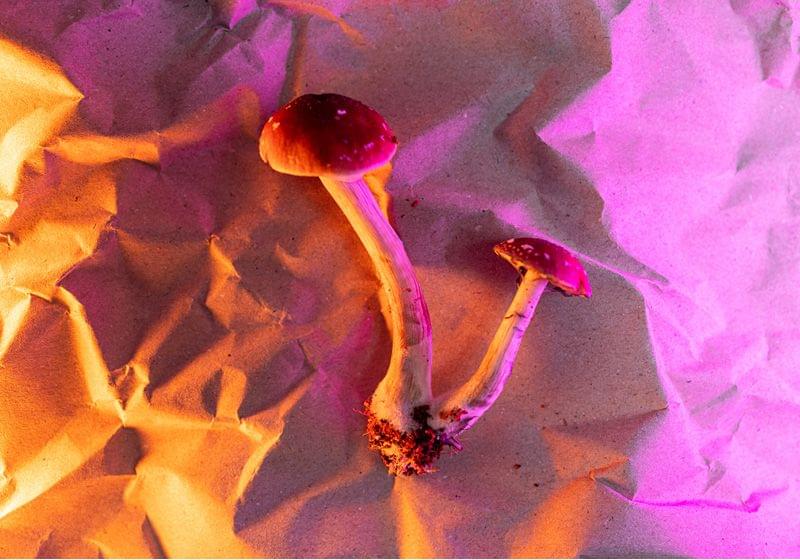
Psychedelic research is entering a new era, offering hope for chronic pain, anxiety, hearing loss, and more.
Check out the latest findings here.
New studies show that psychedelics could unlock safer treatments for chronic pain, mood disorders, and even neuroprotection. Explore the latest breakthroughs.
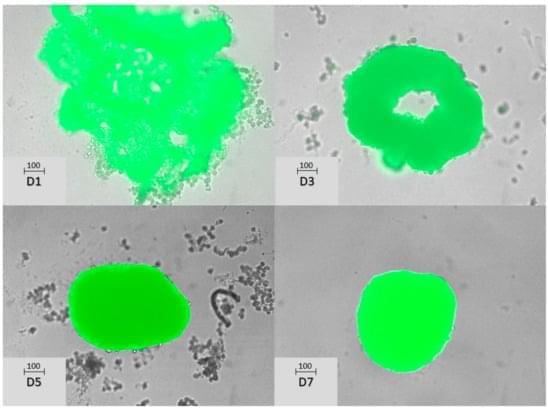
Background: Three-dimensional cellular models provide a more comprehensive representation of in vivo cell properties, encompassing physiological characteristics and drug susceptibility. Methods: Primary hepatocytes were seeded in ultra-low attachment plates to form spheroids, with or without tumoral cells. Spheroid structure, cell proliferation, and apoptosis were analyzed using histological staining techniques. In addition, extracellular vesicles were isolated from conditioned media by differential ultracentrifugation. Spheroids were exposed to cytotoxic drugs, and both spheroid growth and cell death were measured by microscopic imaging and flow cytometry with vital staining, respectively. Results: Concerning spheroid structure, an active outer layer forms a boundary with the media, while the inner core comprises a mass of cell debris.
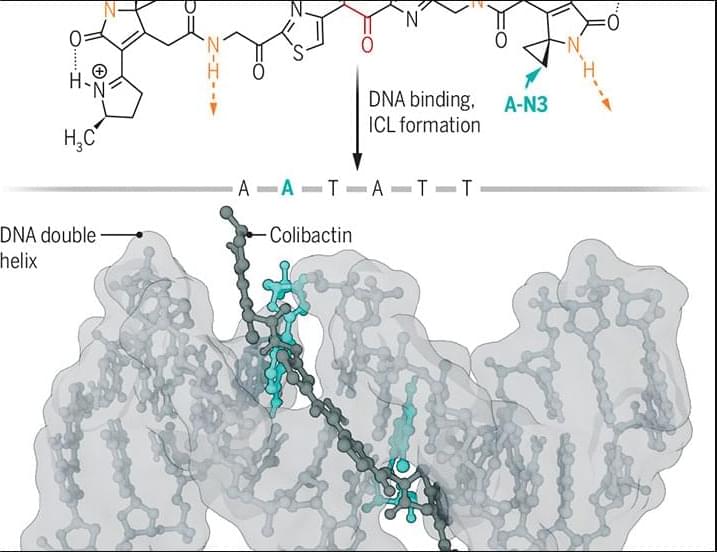
The relevance of the gut microbiome, the community of microorganisms living in the digestive tract, to human health is a topic of intense interest. However, among the numerous benevolent bacteria living in the gut, there are some species that are harmful to humans.
For example, certain strains of Escherichia coli produce the genotoxin colibactin, which causes DNA damage and is linked with colon cancer. However, the colibactin molecule is complex and unstable, which has made it challenging to elucidate its chemical structure and the mechanism by which it damages DNA. In the culmination of years of research from multiple laboratories, researchers in a new Science study reveal the structure of the active form of colibactin bound to DNA.
The findings go a long way toward explaining the mutation signatures associated with colibactin exposure and provide substantial insight into how colibactin contributes to colorectal carcinogenesis.
Learn more in a new Science Perspective.
The structure of the bacterial genotoxin colibactin bound to DNA shows how it might contribute to cancer risk.

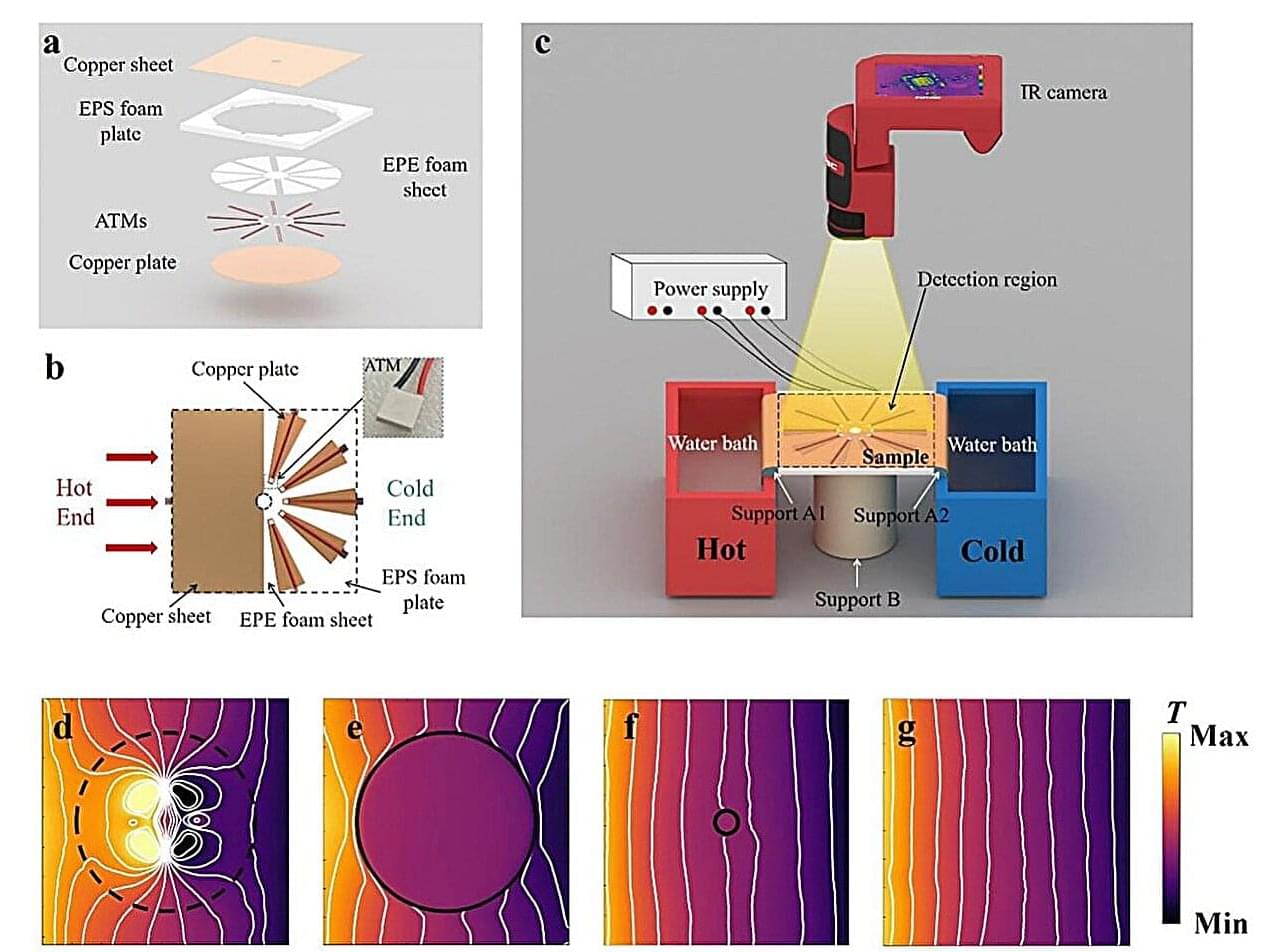
Light undergoes a unique phenomenon called superscattering, an optical illusion where a very small object scatters far more light than expected. This happens when multiple scattering modes overlap and interact, allowing tiny objects to scatter far more light than their size should allow.
Scientists have now found a way to expand the scope of superscattering beyond optics into the thermal world.
A team of researchers from Taiyuan University of Technology, China, has experimentally demonstrated thermal superscattering by surrounding an object with an active shell comprising arrays of controllable heating and cooling elements along its boundary. This shell allowed the tiny object to fake the thermal signatures of an object nine times larger than itself.