More than 1 million Americans live with tremors, slowed movement and speech changes caused by Parkinson’s disease—a degenerative and currently incurable condition, according to the Parkinson’s Foundation and the Mayo Clinic. Beyond the emotional toll on patients and families, the disease also exerts a heavy financial burden. In California alone, researchers estimate that Parkinson’s costs the state more than 6 billion dollars in health care expenses and lost productivity.
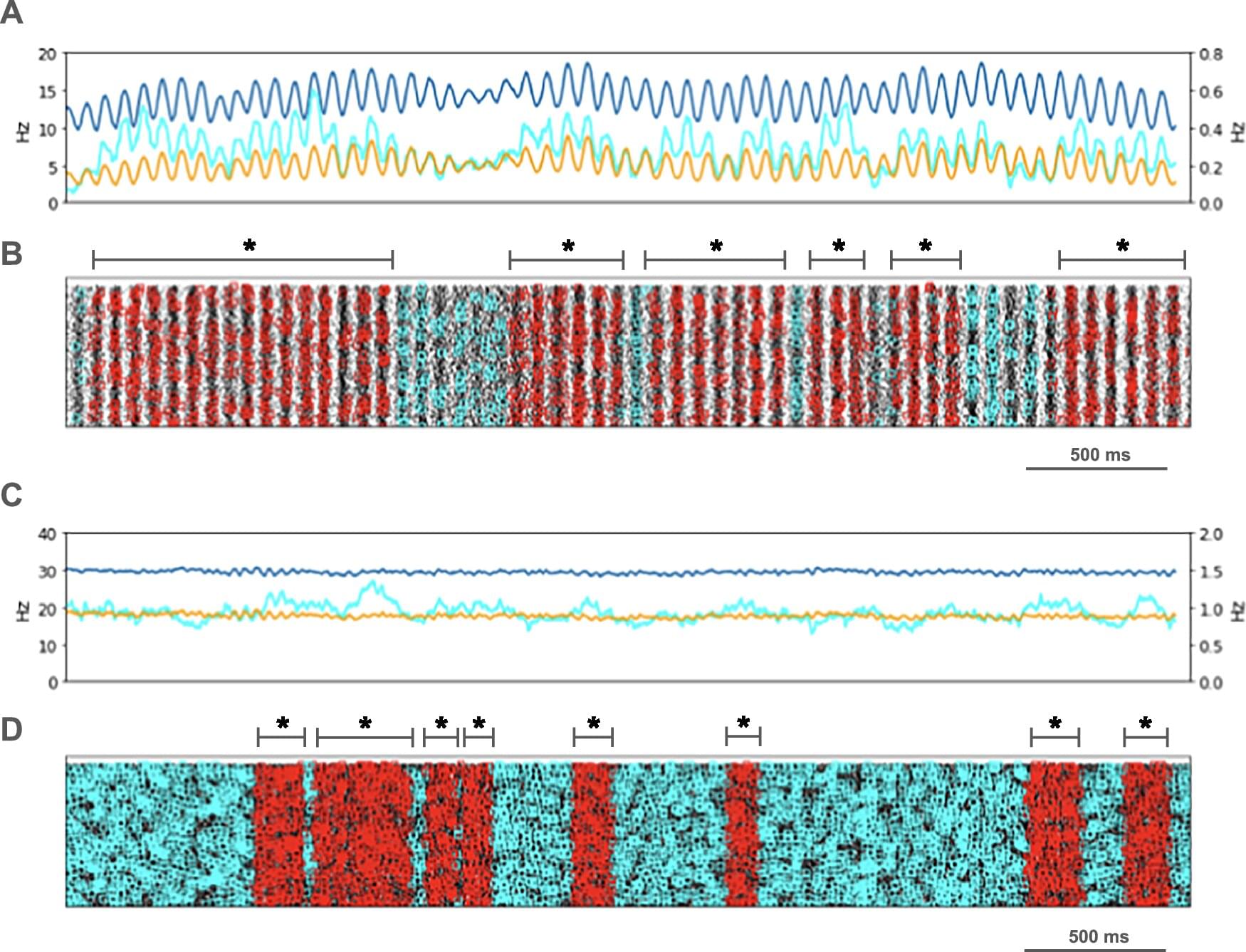
Scientists have long sought to understand the deeper brain mechanisms driving Parkinson’s symptoms. One long-standing puzzle involved an unusual surge of brain activity known as beta waves—electrical oscillations around 15 Hertz observed in patients’ motor control centers. Now, thanks to supercomputing resources provided by the U.S. National Science Foundation’s ACCESS program, researchers may have finally discovered what causes these waves to spike.
Using ACCESS allocations on the Expanse system at the San Diego Supercomputer Center—part of UC San Diego’s new School of Computing, Information, and Data Sciences—researchers with the Aligning Science Across Parkinson’s (ASAP) Collaborative Research Network modeled how specific brain cells malfunction in Parkinson’s disease. Their findings could pave the way for more targeted treatments.