Toggle light / dark theme

Get the latest international news and world events from around the world.

Log in for authorized contributors

Body-focused mind-wandering associated with better mental health outcomes, finds new study

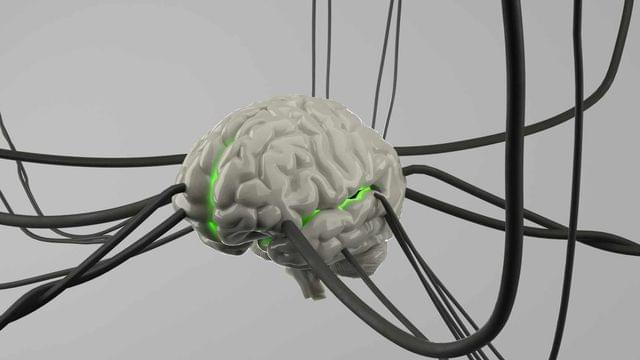
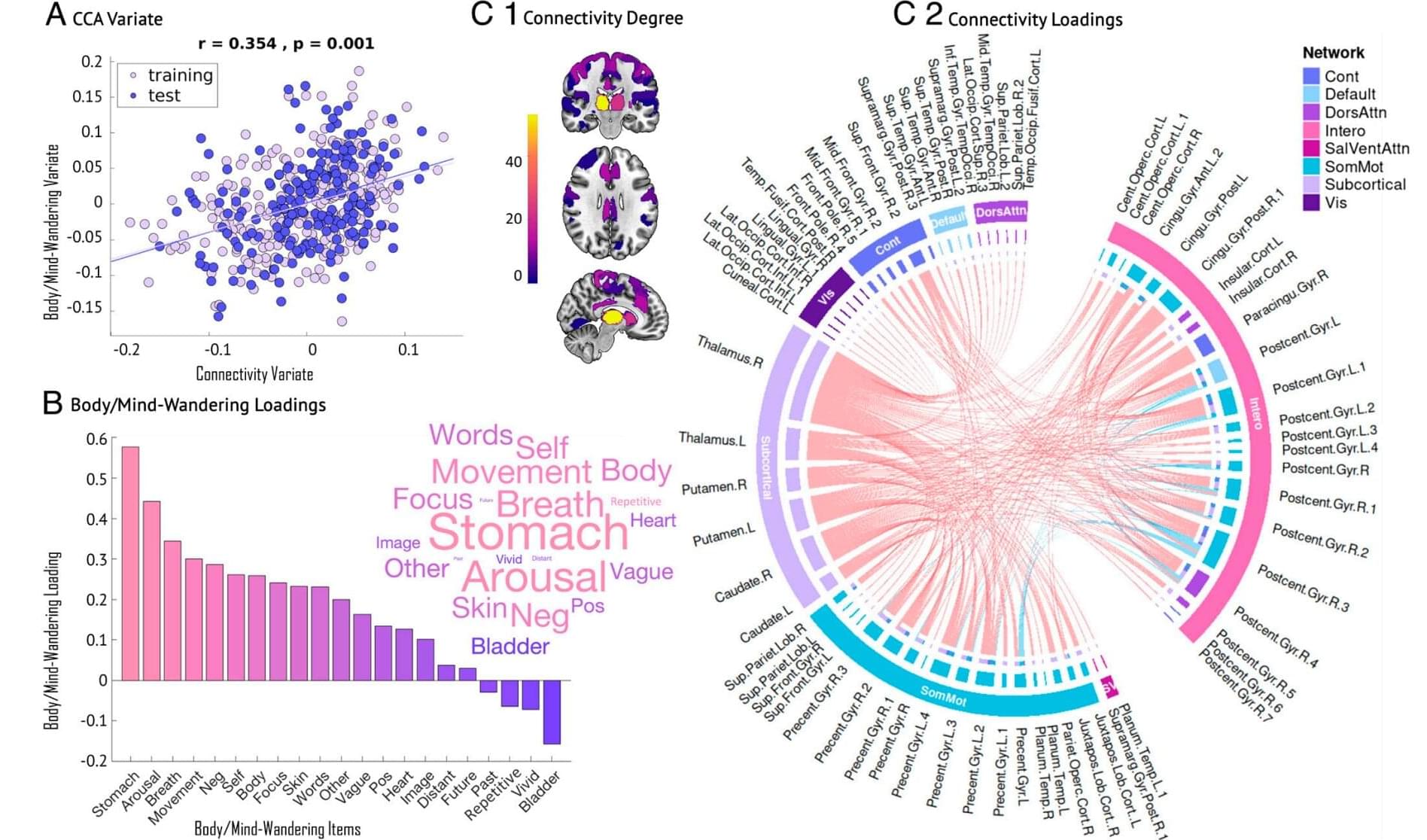
Most of us have experienced that when our body is still and resting, the mind doesn’t stop. Instead, it takes off on its own journey of generating thoughts about our past, our plans, and the people around us, a process known as mind-wandering. While researchers have learned a lot about these kinds of thoughts, there aren’t many studies that explore how often our attention turns inward, toward sensations in our bodies, such as our breathing, heartbeat, or physical feelings.

This lesser-known side of our inner experience, called body-wandering, is what a recent study by a brain research team with collaborators from Denmark, Canada and Germany set out to explore.

To understand how the mind focuses on the physical self, researchers conducted a large-scale study with 536 participants who were asked to stay still in the MRI machine during a brain scan while looking at a cross on the screen above them.
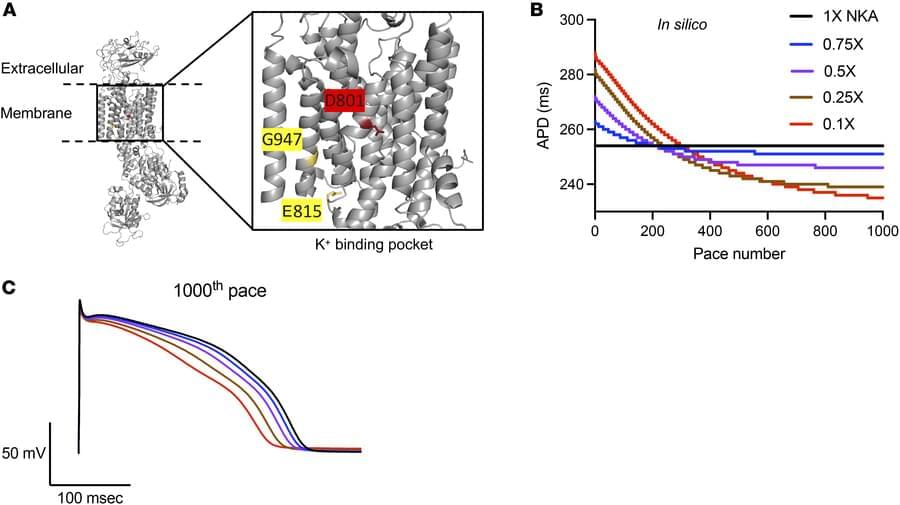
How does the most common cause of Alternating Hemiplegia of Childhood (AHC) lead to abnormal repolarization and arrhythmogenesis?

Andrew P. Landstrom & team propose a Ca2+-mediated mechanism in ATP1A3-D801N carriers & identify NCX1 as a possible therapeutic target.


1Department of Cell Biology and.

2Department of Pediatrics, Division of Cardiology, Duke University School of Medicine, Durham, North Carolina, USA.

3Department of Biomedical Engineering and.

4Division of Pediatric Neurology and Developmental Medicine, Department of Pediatrics, Duke University, Durham, North Carolina, USA.

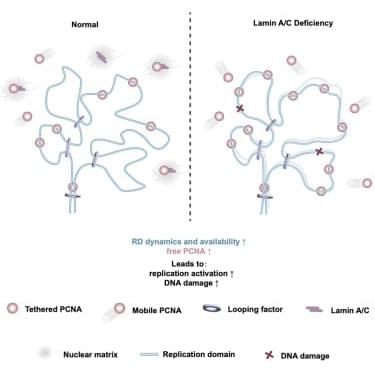
Lamin A/C safeguards replication initiation by orchestrating chromatin accessibility and PCNA recruitment

Zhang et al. reveal lamin A/C as a gatekeeper of replication initiation through effects on chromatin organization and PCNA availability in early S phase. Lamin A/C deficiency disrupts these controls, increasing initiation density and replication-dependent DNA damage.

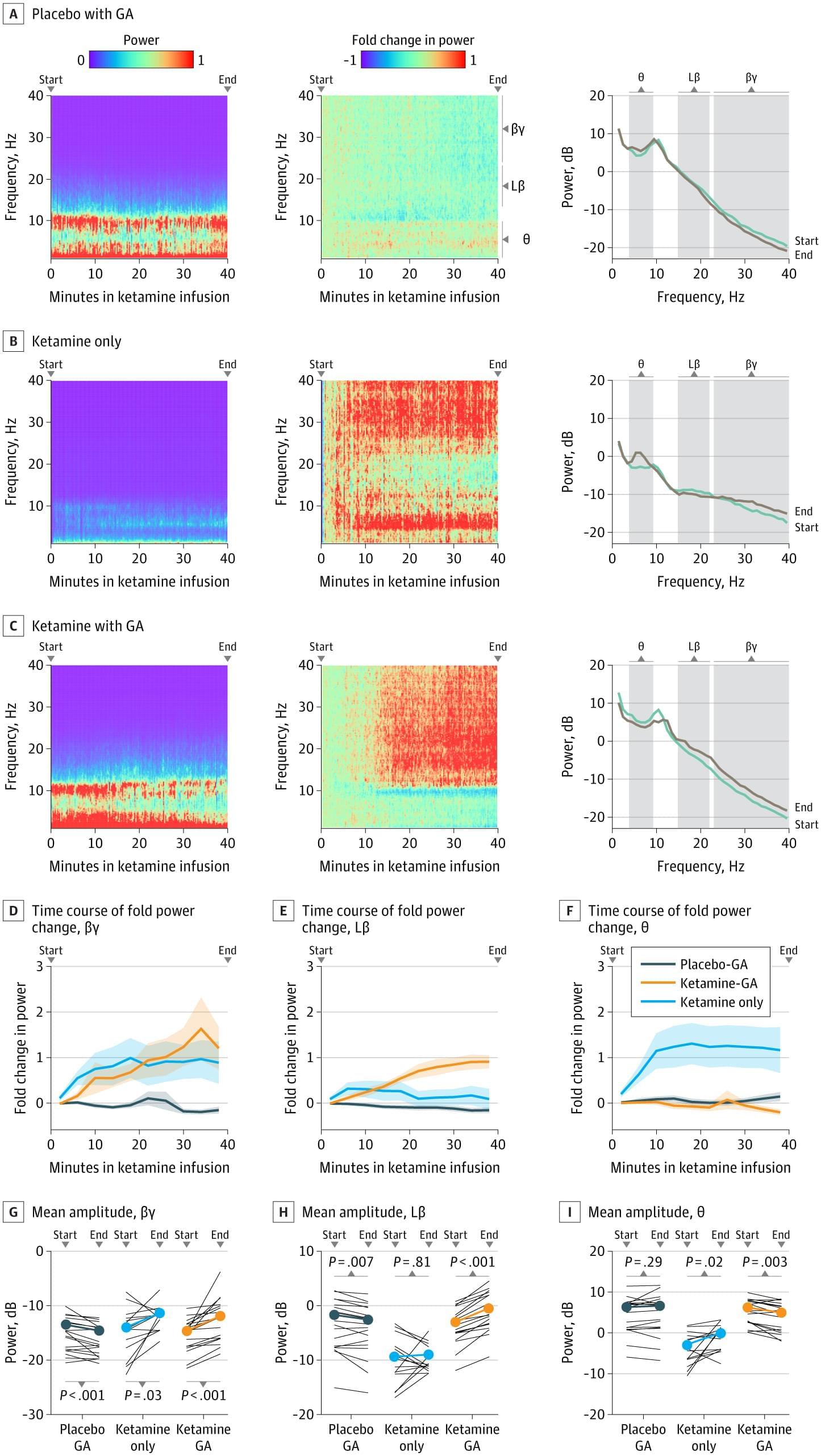
General Anesthesia and Discrete Components of Ketamine Neurophysiology

Administration of ketamine during general anesthesia preserved high-frequency EEG changes but lacked low-frequency modulation, suggesting neurophysiologic components of ketamine can be selectively altered.


Question Are the neurophysiologic signatures of ketamine altered by removal of conscious awareness under general anesthesia?

Findings This cohort study was a secondary analysis of participant-level data from 3 prospective studies in which subanesthetic ketamine was administered with or without general anesthesia. Unconsciousness was associated with preserved βγ power modulation but loss of θ augmentation.

Meaning These findings suggest that unconsciousness from general anesthesia was associated with separation of the neurophysiologic components of ketamine effects, providing a method to explore the contributions of distinct aspects of ketamine physiology to therapeutic effects.

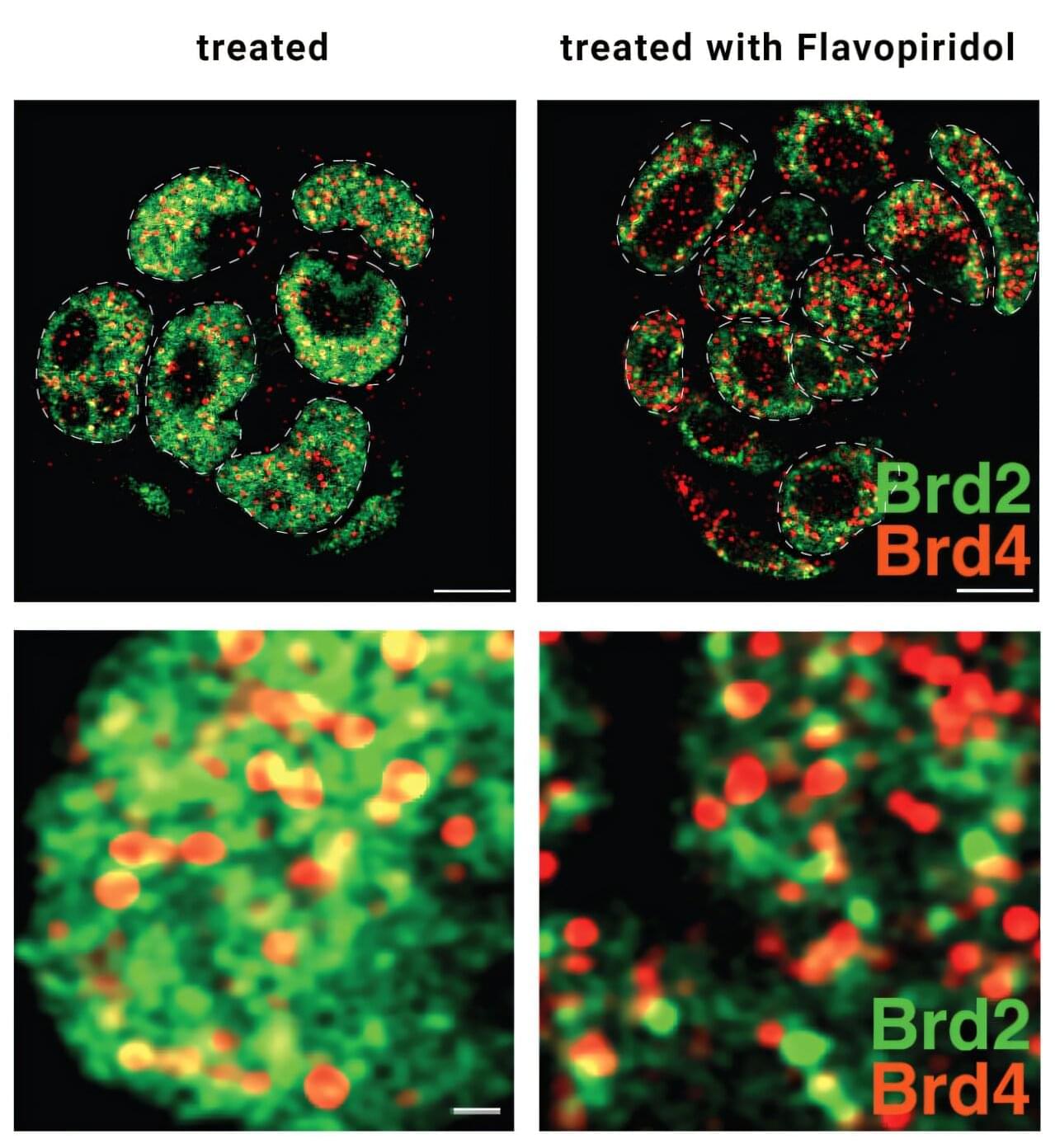
Why anti-cancer drugs do not always live up to expectations

For more than a decade, a class of drugs called BET inhibitors has been tested in cancer trials with high expectations. The biology looked promising. Many cancers depend on oncogenes that “Bromo- and Extra-Terminal domain” (BET) proteins help activate, so blocking BET proteins should slow tumor growth.

New AI method flags fluid flow tipping points before simulations break down

David J. Silvester, a mathematics professor at the University of Manchester, has developed a novel machine-learning method to detect sudden changes in fluid behavior, improving speed and the cost of identifying these instabilities and overcoming one of the major obstacles faced when using machine learning to simulate physical systems. The findings are published in the Journal of Computational Physics.

Computational simulations of mathematical models of fluid flow are essential for everyday applications ranging from predicting the weather to the assessment of nuclear reactor safety. The advent of this simulation capability over the past 50 years has revolutionized the development of fuel-efficient airplanes, and sail configurations on racing yachts can now be optimized in real time, providing the marginal gains needed to win races in the America’s Cup.

Optimized aerodynamics means that modern day cyclists can ride faster, golf balls fly further and Olympic swimmers consistently set world records. Computational fluid dynamics also enables the modeling of the flow of blood in the human heart, making the provision of patient-specific surgery possible.

Plant-inspired water membrane filters CO₂ with constant selectivity and adjustable permeance

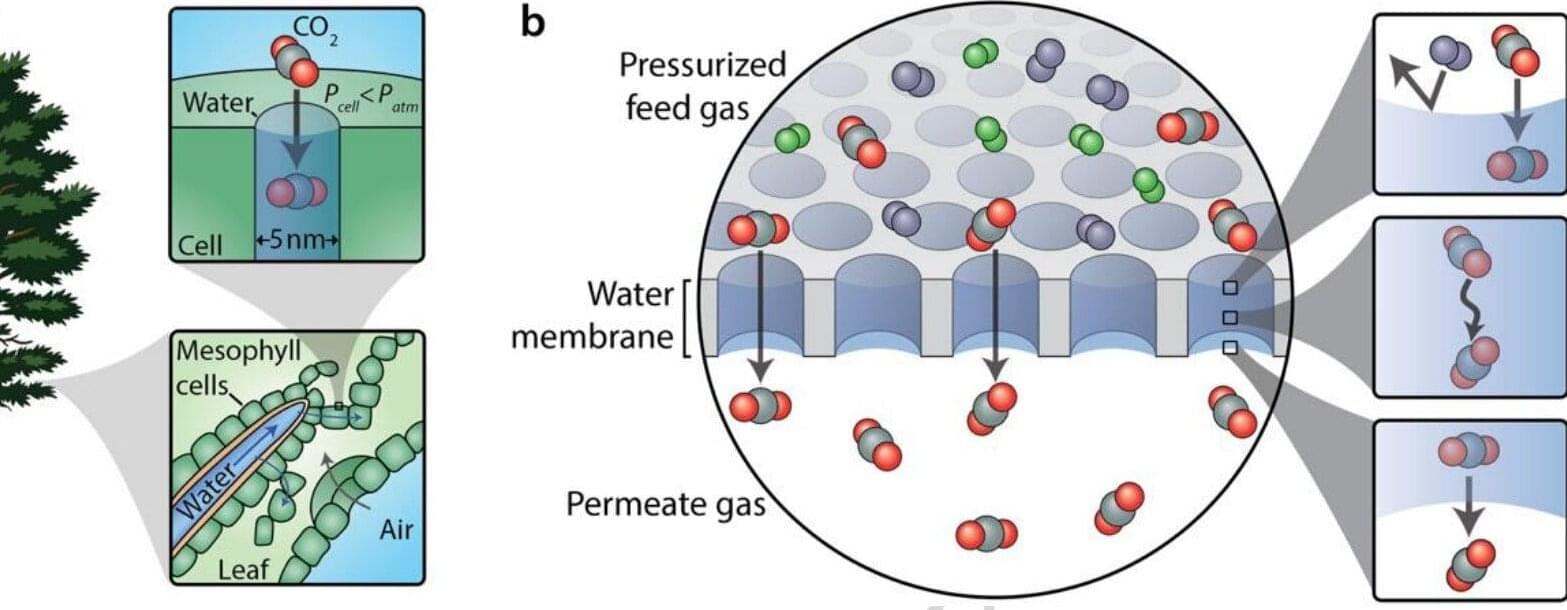
Gas separation membranes are vital for carbon capture, biogas upgrading, and hydrogen purification, all of which require the separation of carbon dioxide from gases like nitrogen, methane and hydrogen. However, the membranes currently in use for these applications suffer from limitations like low throughput or performance under high pressure and humidity, low gas flow, instability, and reaction rate limits.

Plants may have inspired a solution to many of these issues with the way their leaves absorb CO2. In a new study, published in Nature Communications, a team of researchers tests out a plant-inspired, water-based membrane that offers highly selective and permeable gas separation that outperforms many other materials, while also providing a greener, safer, and potentially cheaper way to capture CO2 and purify gases.

/* */