Toggle light / dark theme

Get the latest international news and world events from around the world.

Log in for authorized contributors

Longevity Isn’t Equal: Why Life-Extending Treatments May Be a “Biological Lottery”

Extending life is only part of the goal in aging research. Scientists also want more people to reach old age in good health, with fewer differences in when individuals die. This ideal outcome is often described as “squaring the survival curve,” where most deaths are pushed into a narrow window late in life rather than spread out across many years.

To test how close current science comes to that goal, University of Sydney researchers revisited a large meta-analysis of studies in vertebrates. They focused on three widely studied interventions: dietary restriction, rapamycin, and metformin. While all are linked to longevity, they work in different ways.

Dietary restriction involves reducing calorie intake without causing malnutrition. It has been known for more than a century to extend lifespan in animals and is thought to act in part by dialing down a key cellular growth pathway called mTORC1, which helps regulate metabolism and aging. Because strict diets are difficult to maintain, scientists have searched for drugs that mimic these effects. Rapamycin directly blocks mTORC1 activity, while metformin, a common diabetes medication, influences the same pathway indirectly by altering how cells sense energy levels.


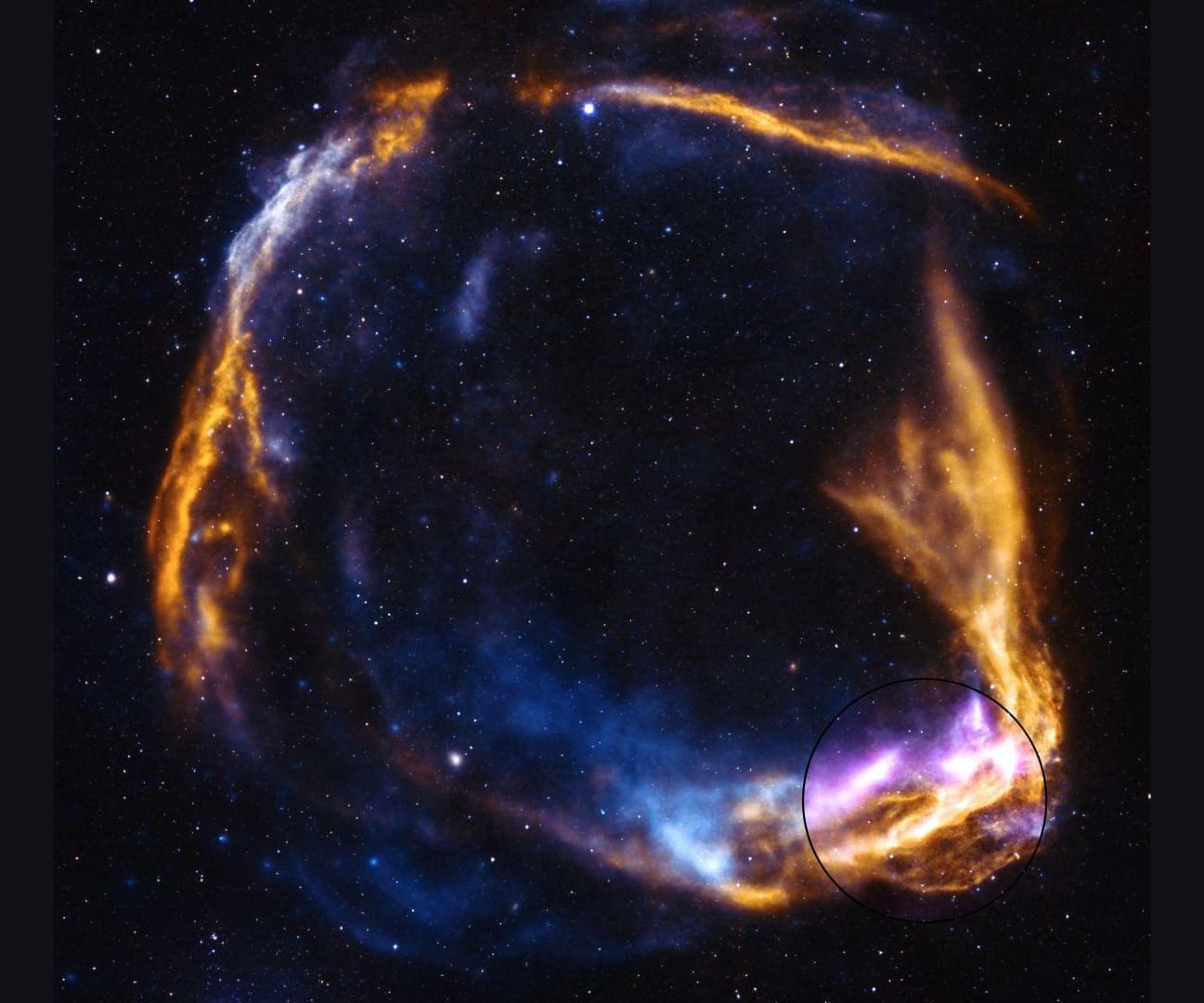
NASA telescope uncovers new mystery in supernova first spotted by Chinese astronomers 2,000 years ago —‬ Space photo of the week

NASA’s Imaging X-ray Polarimetry Explorer reveals the expansion and shock patterns within RCW 86, a supernova observed by early astronomers in A.D. 185.

Google DeepMind’s Research Lets an LLM Rewrite Its Own Game Theory Algorithms — And It Outperformed the Experts

Michal Sutter is a data science professional with a Master of Science in Data Science from the University of Padova. With a solid foundation in statistical analysis, machine learning, and data engineering, Michal excels at transforming complex datasets into actionable insights.

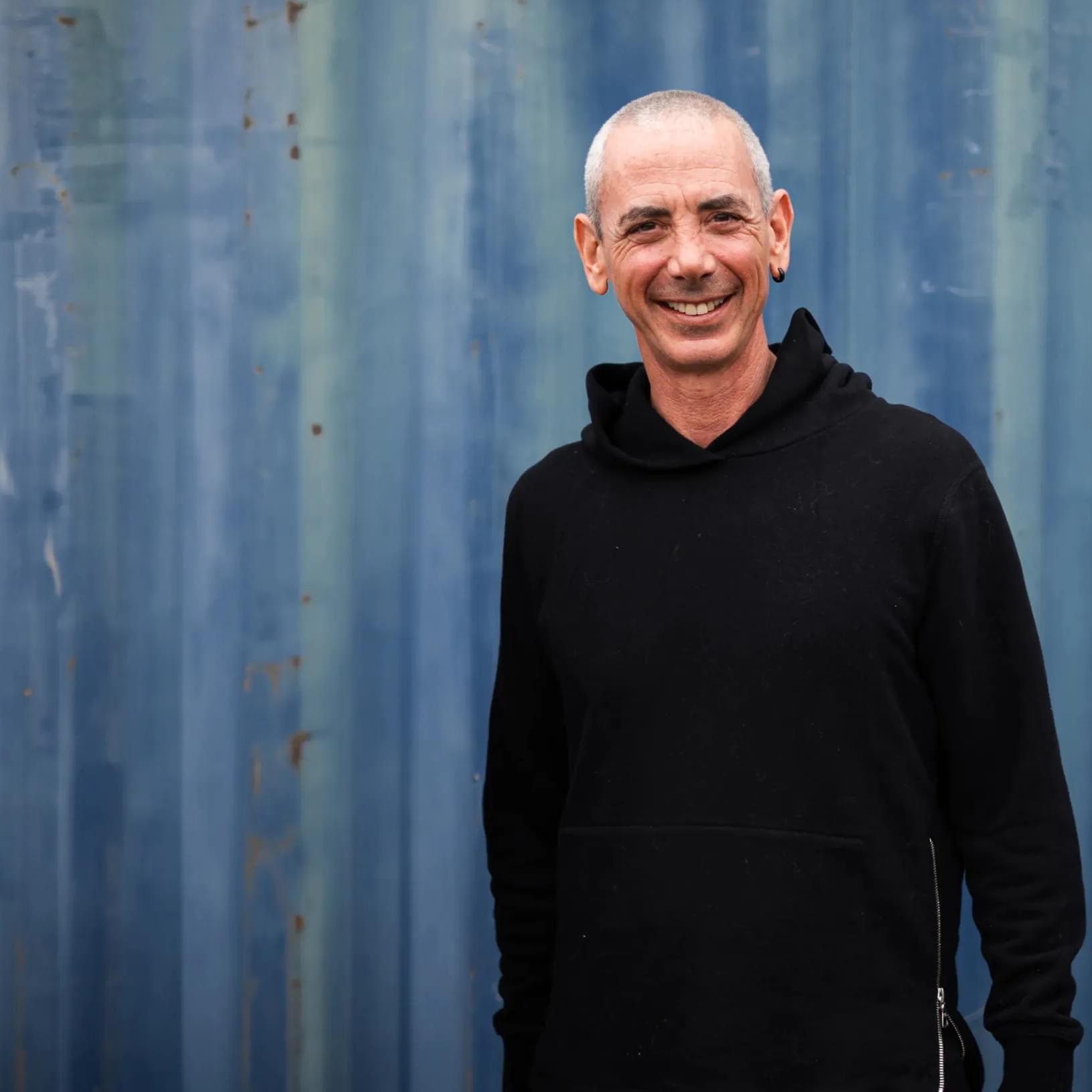
We Are As Gods: Steven Kotler on Our Godlike Power, Stone Age Minds

Do we have godlike responsibility to match?

In this third conversation with Steven Kotler — our first in 14 years — we dig into his latest book, We Are As Gods: A Survival Guide for the Age of Abundance, co-written with Peter Diamandis. And while the book makes a powerful case for abundance, I came prepared to challenge it.

Because abundance without purpose, as Kotler himself argues, is not salvation. It is a different kind of crisis.

Some black holes are ‘forbidden,’ ripples in spacetime reveal

How do you prove that in the unimaginably vast universe, certain objects don’t exist?

That’s a question that has plagued scientists studying gravitational waves—ripples in spacetime set off when two massive objects such as black holes swirl together and merge.

For decades, theorists have thought that, ironically, stars in a certain very heavy mass range simply cannot collapse to form black holes.

But gravitational wave astronomers had spotted no evidence of such a “mass gap”—until now.


Analysis of gravitational waves supports theory that some stars explode without leaving behind black holes.

Mesothelioma: a systemic therapy clinical trials snapshot

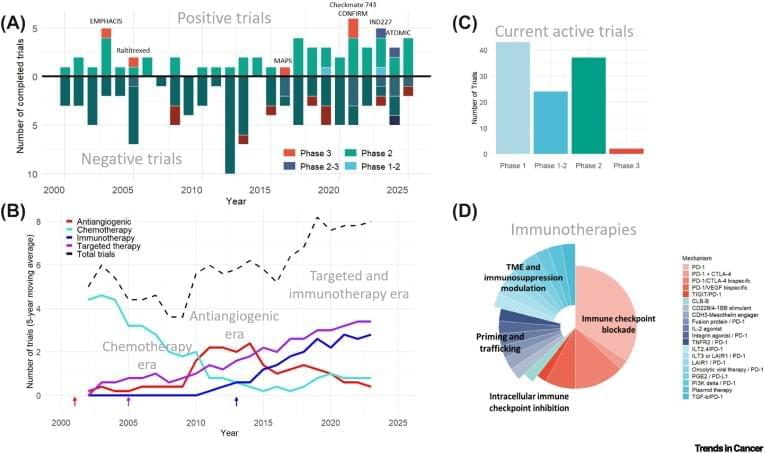
Systemic therapy targets in mesothelioma.

Recent changes to clinical practice have made modest improvements in 1– 2-year survival, but longer-term survival remains unchanged, and durable benefit is very rare.

Combining immunotherapy with chemotherapy, particularly with novel bispecific agents, may result in more therapeutic modalities being administered together in the first-line setting. The current evidence for second-line treatments is sparse.

New targeted-therapy strategies are promising. Early-phase clinical trials are showing signals of efficacy in mesotheliomas harboring MTAP loss or inactivation of the Hippo pathway.

Further studies will be needed to robustly confirm clinical benefit. sciencenewshighlights ScienceMission https://sciencemission.com/Mesothelioma


Mesothelioma is a rare cancer that has seen few incremental improvements in survival over the past two decades. However, a significantly improved understanding of the underlying biology has led to new therapeutic advances with the potential to improve clinical outcomes. In this review, we take a snapshot of the current systemic therapy research landscape, with our goal to forecast the trajectory of drug development for mesothelioma over the next half-decade. In our current census, we identify 106 active trials including systemic therapies: 20 (19%) are molecularly targeted, 26 (25%) include immunomodulation, and 12 (11%) combining immunotherapy with antiangiogenic therapies. Collectively, the landscape of therapeutic innovation for mesothelioma is expanding, bringing hope that improvements in life expectancy may follow.

/* */