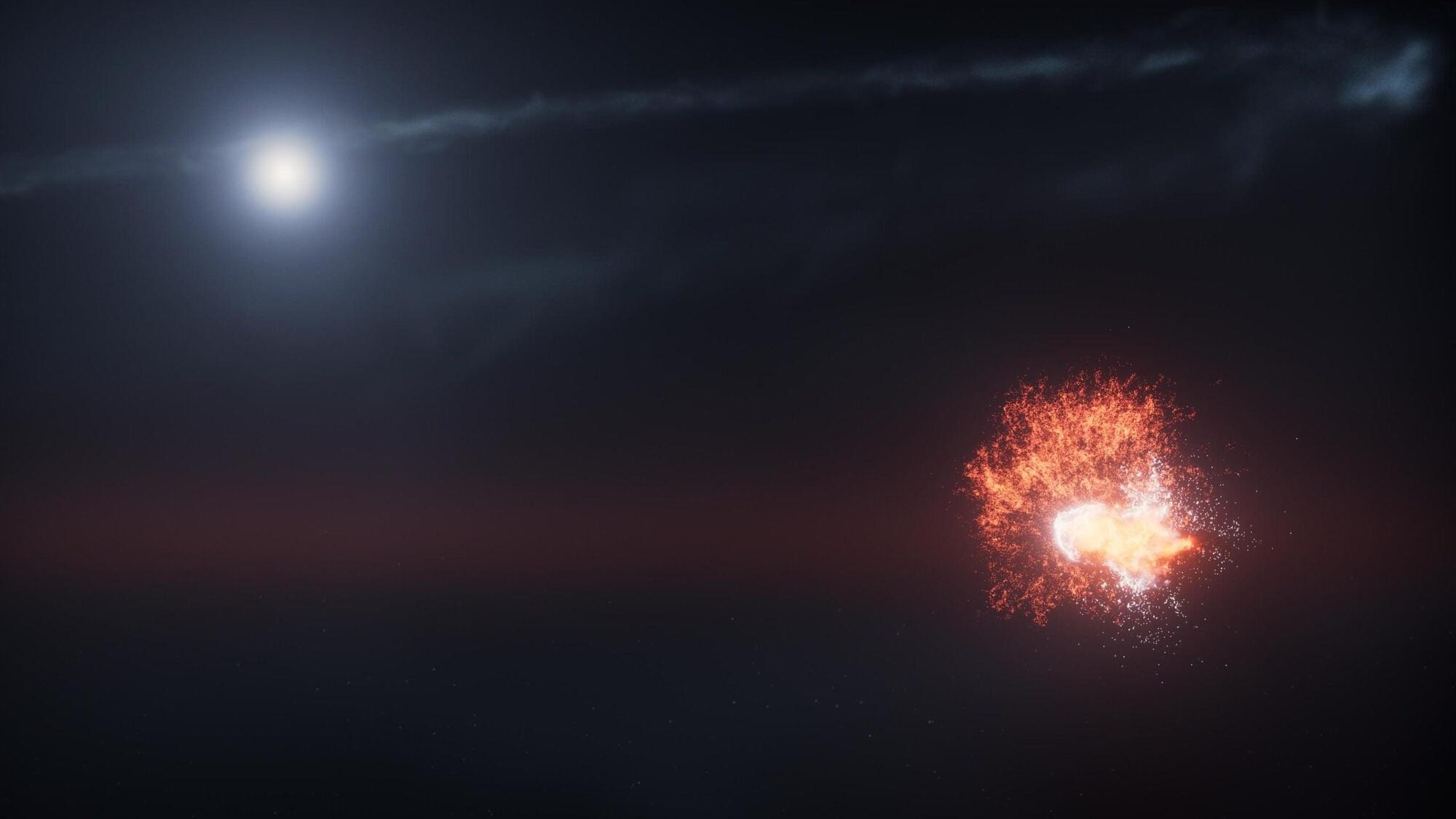
What looked like a mysterious exoplanet was actually the sparkling debris from a violent collision between massive space rocks.
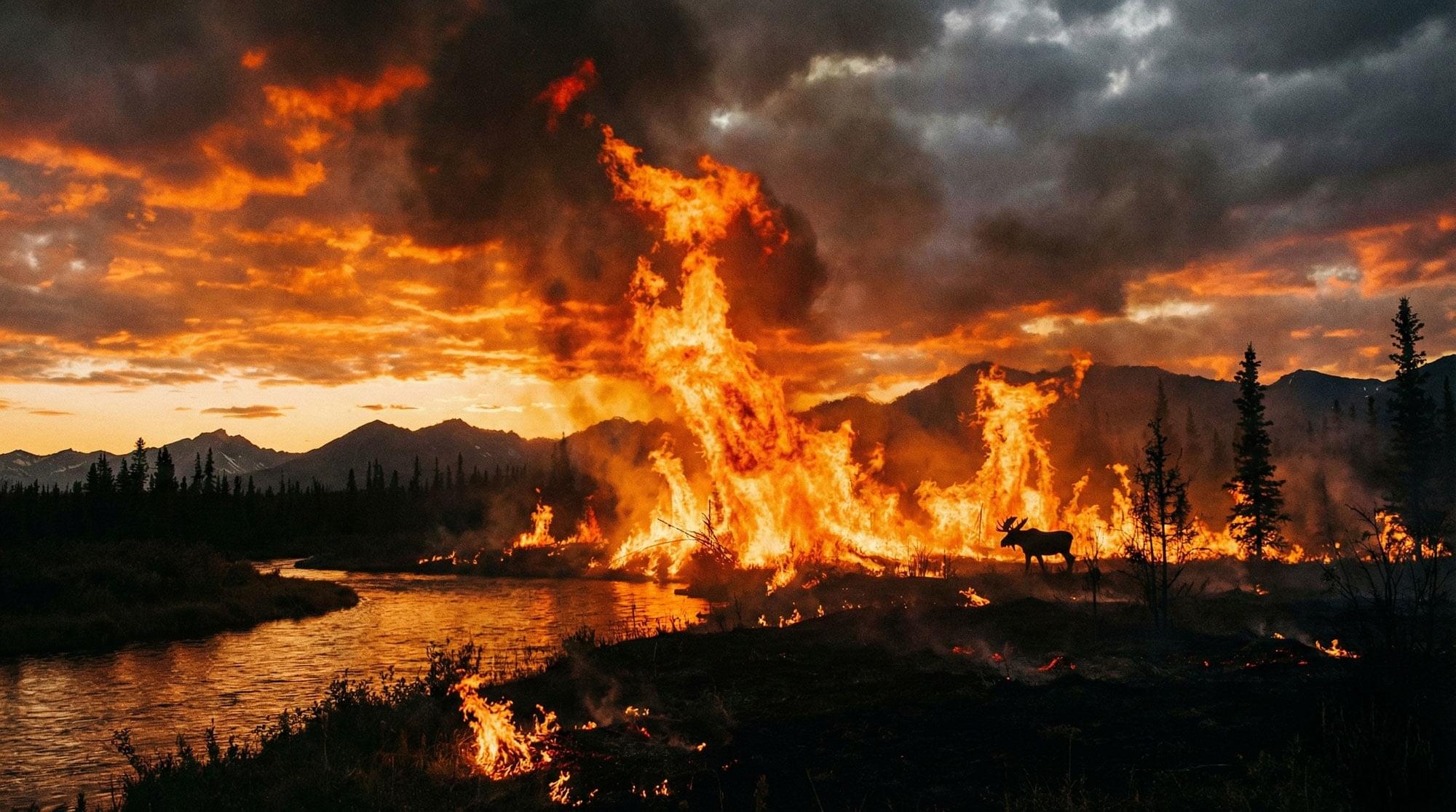
Wildfires across Alaska’s North Slope have been more frequent over the last century than at any point in the previous 3,000 years, according to new research published in the journal Biogeosciences.
The work was carried out in Arctic Alaska by an international group of scientists representing institutions in Germany, Poland, the United Kingdom, Romania, and the University of Alaska Fairbanks’ Toolik Field Station.
Angelica Feurdean, the study’s lead author and a senior researcher at Goethe University in Germany, explained that the team combined multiple scientific methods to piece together a long-term record of fire activity. The results suggest that the recent surge in wildfires is linked to expanding woody vegetation and increasingly dry soils, both of which are associated with rising temperatures.


This week’s ThreatsDay Bulletin tracks how attackers keep reshaping old tools and finding new angles in familiar systems. Small changes in tactics are stacking up fast, and each one hints at where the next big breach could come from.
From shifting infrastructures to clever social hooks, the week’s activity shows just how fluid the threat landscape has become.
Here’s the full rundown of what moved in the cyber world this week.

This month’s extended security update for Windows 10 broke Message Queuing (MSMQ), which is typically used by enterprises to manage background tasks.
Microsoft says it identified a fix and is now rolling out an out-of-band update (KB5074976) via Update Catalog to address it.
You won’t find the OOB on Windows Update or WSUS, as it’s only offered via Update Catalog, but if you are affected, you should download the out-of-band release.

The Clop ransomware gang (also known as Cl0p) is targeting Internet-exposed Gladinet CentreStack file servers in a new data theft extortion campaign.
Gladinet CentreStack enables businesses to securely share files hosted on on-premises file servers through web browsers, mobile apps, and mapped drives without requiring a VPN. According to Gladinet, CentreStack “is used by thousands of businesses from over 49 countries.”
Since April, Gladinet has released security updates to address several other security flaws that were exploited in attacks, some of them as zero-days.