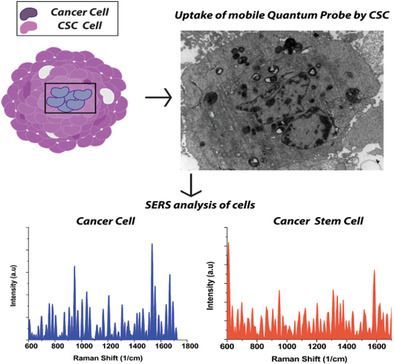
Cancer stem cells (CSC) are believed to be the driving force of cancer metastases and are a rare population of self‐renewing cells that contribute majorly to the poor outcomes of cancer therapy. The detection of CSC is of utmost importance to shed light on the indestructible nature of certain solid tumors and their metastatic ability. However, tumors tend to harbor CSCs in a specialized niche, making the detection process difficult. Currently, there is no method available to detect CSCs. The significance of this work is twofold. First, to the best of the knowledge, it is the first time that the detection of CSC is demonstrated. This approach simultaneously detects both the phenotypic and the metabolic state of the cell, thus enabling universal detection of CSC with high accuracy. Second, to the best of the knowledge, for the first time, light is shed on cell chemistry of CSC in their dedicated niche to facilitate a better understanding of the key players involved in the metabolic rewiring of CSC. This work will enable a better understanding of the fundamentals of CSCs, which are critical for the early diagnosis of cancer and the development of therapies for the cure of cancer.
Get the latest international news and world events from around the world.
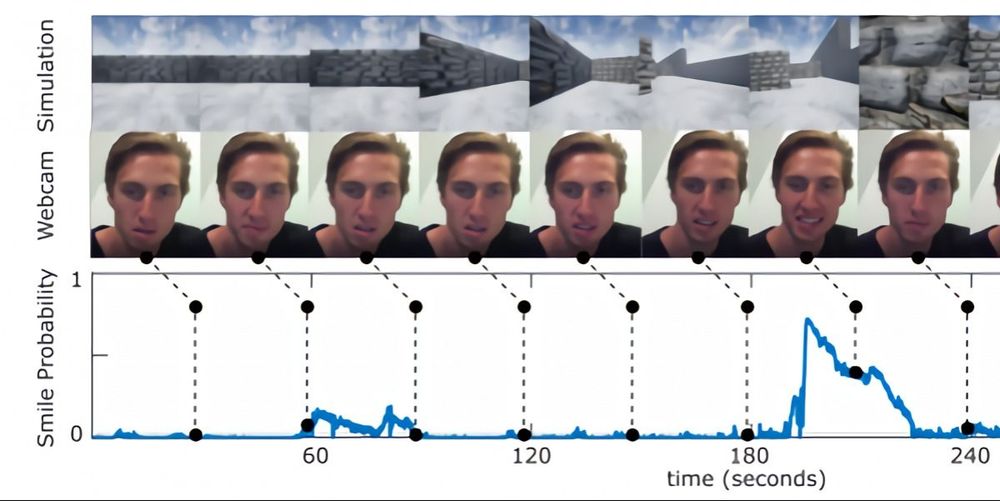
Microsoft proposes AI that improves when you smile
Microsoft researchers propose an approach to training AI that uses smiles as a reward signal. They say it achieves superior efficiency.
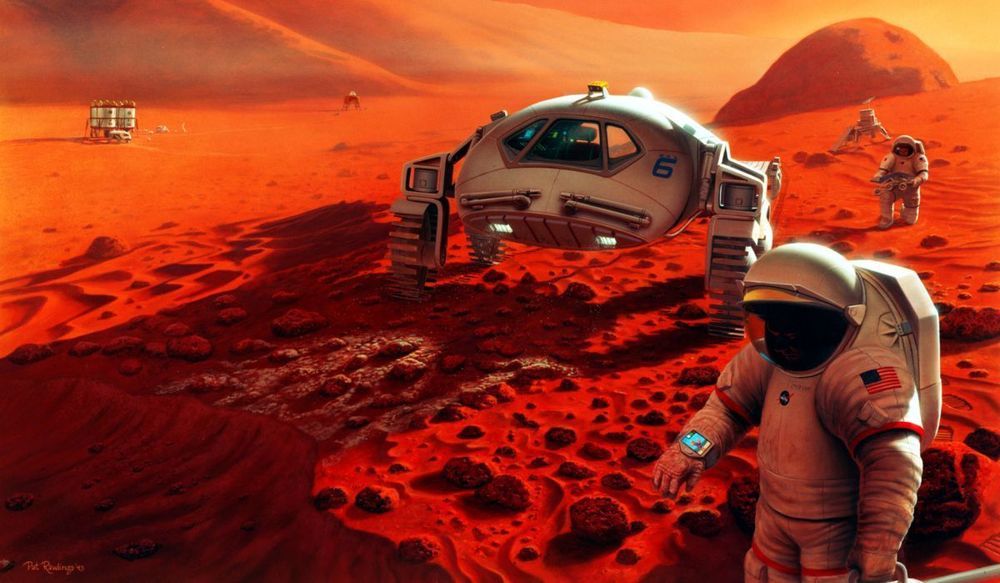
Can We Genetically Engineer Humans to Survive Missions to Mars?
We might one day combine tardigrade DNA into our own cells.
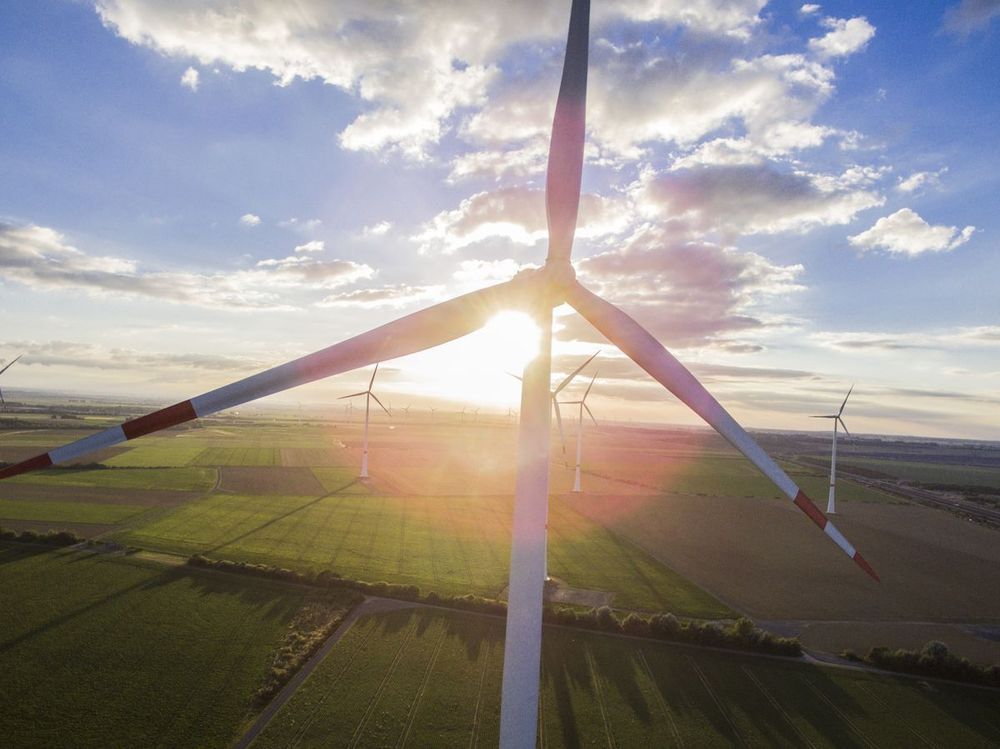
Going 100% Green Will Pay For Itself in Seven Years, Study Finds
A Stanford University professor whose research helped underpin the U.S. Democrats’ Green New Deal says phasing out fossil fuels and running the entire world on clean energy would pay for itself in under seven years.

JFC: The Most WTF Science and Tech Moments of 2019
Victor Tangermann December 26th 2019News.
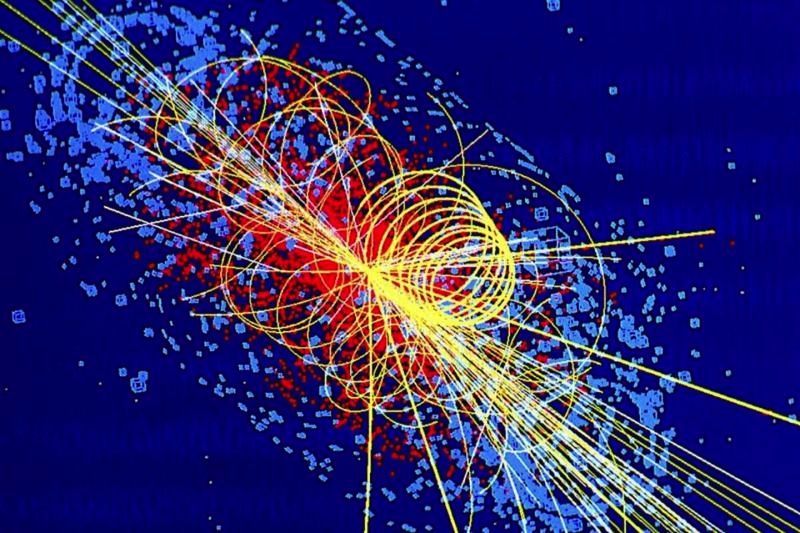
The 10 Biggest Science Stories of the Decade
As the decade closes, we look at the science stories that made the biggest splash over the past 10 years.
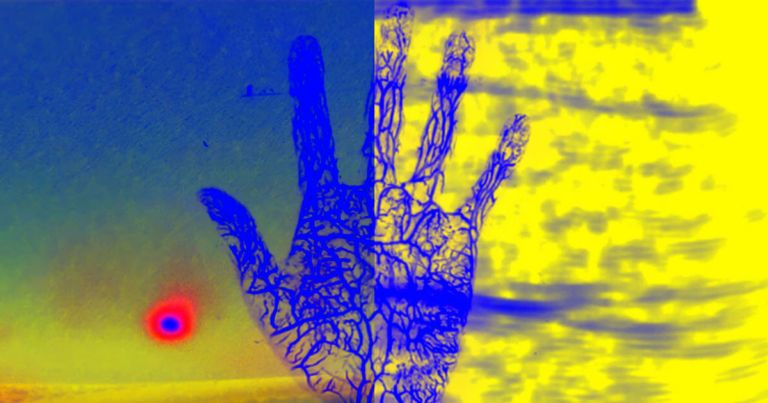
MIT Scientists Can Look at Your Insides From a Distance
Scientists have developed a system of lasers that can probe inside the human body, much like an ultrasound, but from a distance.
The system can accurately image what’s going on inside a person’s body up to a depth of about six centimeters, according to an MIT press release. While that may not seem like much, it’s still an important first step in removing physical contact from ultrasound scans, as that can sometimes introduce variability in a doctor’s readings.
The system, described in research published in the journal Light: Science & Applications on Friday, uses two lasers: one to generate sound waves that bounce around inside the patient’s body, and the second to detect them as they reflect back.

Emerging technologies securing the cloud
So, what can businesses do to address this? A big part of the answer lies in emerging technologies such as artificial intelligence (AI) and automation, which will drive new ways of securing the cloud in 2020 and beyond.
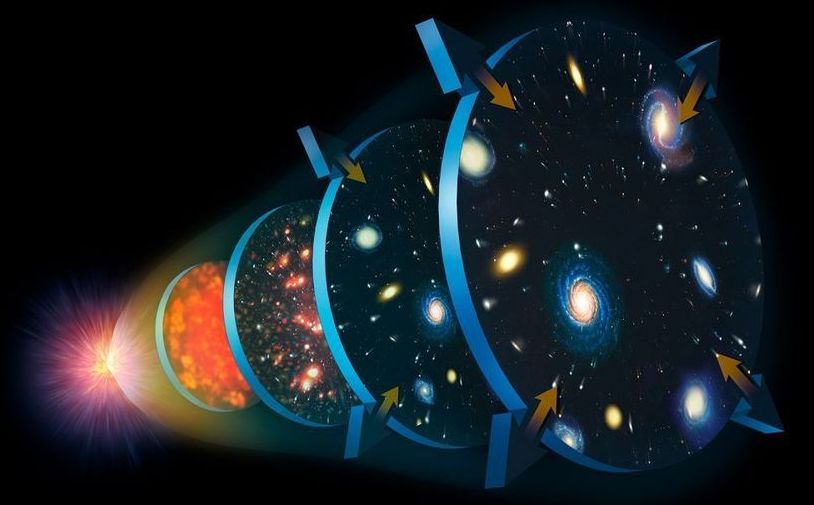
From Big Bang to Present: Snapshots of Our Universe Through Time
A timeline of important events in our universe’s history.
Scientists race to use zero gravity to kill the worst cancers
The device has allowed Chou’s team to investigate how microgravity affects different diseases. The scientists report it has been tremendously effective so far in eliminating cancer cells.
“When placed in a microgravity environment, 80 to 90 per cent of the cells in the four different cancer types we tested – ovarian, breast, nose and lung – were disabled,” said Chou.
Normally, these are the hardest cancers to fight. Chou’s experiments, without using any drugs, managed to either kill such cells or make them “float off because they can no longer hold on.”