Toggle light / dark theme

AR & VR Smartglasses and Functional Contact Lenses 2016–2026

Cannot wait for the new AR contacts.


NEW YORK, Jan. 21, 2016 /PRNewswire/ — This new IDTechEx report is focused on how the market for smart glasses and contact lenses is going to evolve in the next decade, based on the exciting research and developments efforts of recent years along with the high visibility some projects and collaborations have enjoyed. The amount of visibility this space is experiencing is exciting developers of a range of allied technologies into fast-tracking/focusing their efforts, as well as creating devices and components designed specifically to serve this emerging industry.

Some of the newest devices that have ignited significant interest in smart eyewear are going above and beyond the conventional definition of a smart object; they are in effect, portable, wearable computers with a host of functionalities, specially designed apps etc. that add new ways for the wearer to interact with the world along with smartphone capabilities, health tracking options and many other features. The features of some of the more advanced devices have been based on and have sparked worldwide innovation efforts aiming to create an ecosystem of components that will enable what is bound to be a revolution in form factor for wearables.

User interface is probably one of the most significant features in this revolution. As interfacing with computers undergoes a constant evolution, allowing for wider adoption as interaction becomes more “natural”, smartglasses are bringing about the next big step in this ever-changing space. From keyboards to touchscreens to cameras & positioning/location/infrared sensors, a new wave of innovation is making interfacing with computers gesture-based, and nowhere else is that more obvious than in eye-worn computing.

Read more

Jack Confirms Departures Of Several Twitter Execs

Maybe an opportunity to hire some pretty talented women in the mix this time. If you think about it, women are very strong in communications & multitasking which is perfect to lead Twitter’s product innovation; and not to mention what women could do for wearables innovation. Some amazing female execs in wireless (ISPs & Devices), online communications and marketing firms, Google and Microsoft has some amazing female leaders, etc. Tons of capable women that could really make some magic happen for Twitter.


Twitter CEO Jack Dorsey has confirmed the departures of Twitter execs, who oversaw the product, engineering, media and HR teams.

Was really hoping to talk to Twitter employees about this later this week, but want to set the record straight now: pic.twitter.com/PcpRyTzOlW

Read more

Type with your BRAIN: Mind monitor may lead to breakthrough in human-computer interaction

Wow — luv what the Univ. CA San Diego is doing & its portable too. 1 step forward for BMI possibilities.


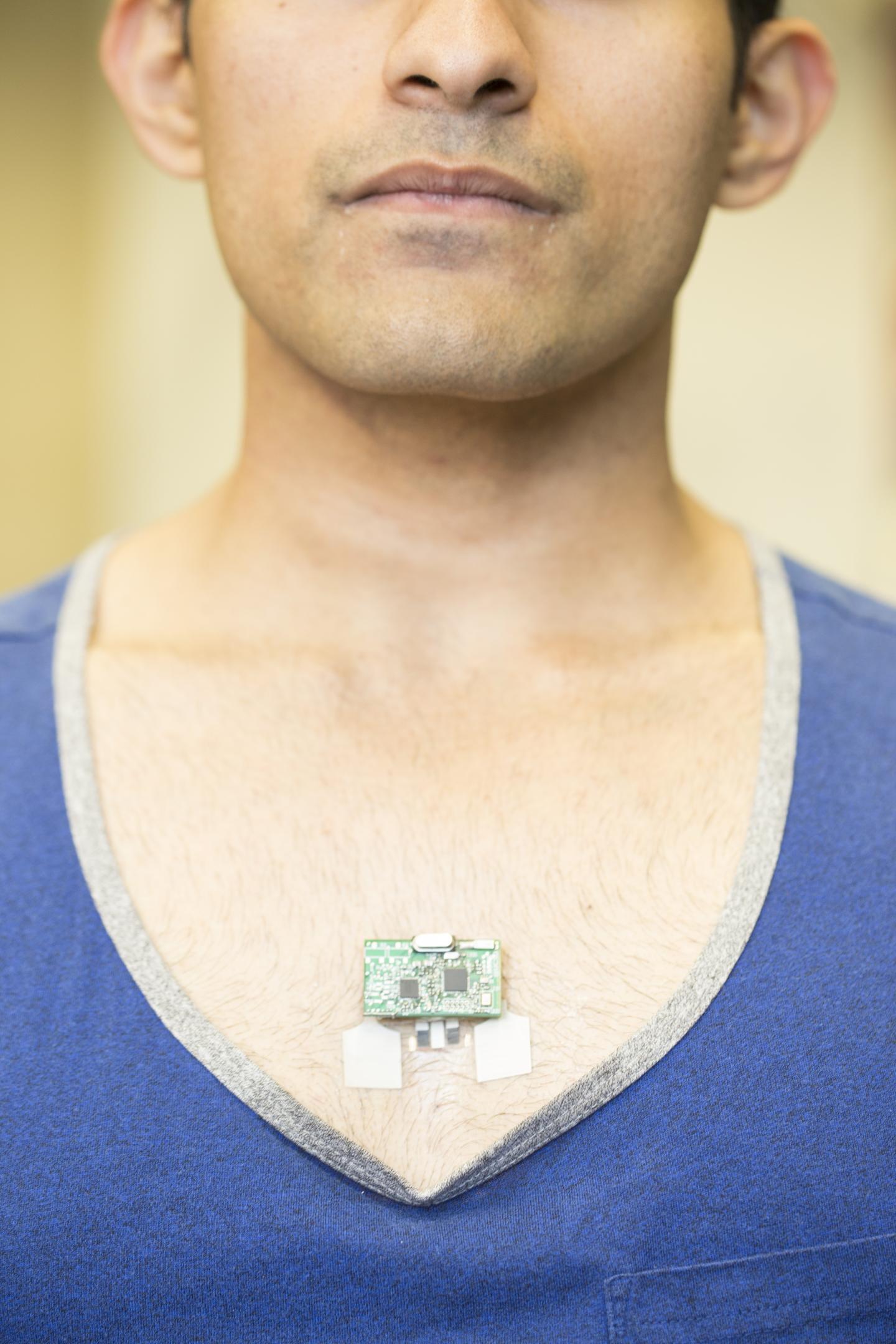
Researchers claim they have developed the world’s first portable brain monitoring system that works as well as laboratory equipment. The feat was achieved by researchers at the University of California San Diego who created a 64-channel wearable brain monitor.

Read more

Apple hires virtual and augmented reality tech expert: Report

Virginia Tech’s Professor Doug Bowman comes to Apple to make VR. This should be very interesting since he won the research grant to work on the “Hololens” — could be interesting.


According to a report in the Financial Times, Apple has hired one of the leading experts on virtual and augmented reality — Virginia Tech computer science professor Doug Bowman. He was recently listed among grant winners for HoloLens research projects and is skilled in creating 3D user interfaces, reports Endgadget. He has also co-authored a book called 3D User Interfaces Theory and Practice.

He’s been working on technologies such as wearable displays and full surround display prototypes at Virginia Tech.

Apple has been building up on its VR arsenal in the recent past with a string of acquisitions in the domain, along with reports of patents and other significant hires. While much has been happening behind closed doors, analysts predict that in 2016, that is going to change. Apple will become “very aggressive on the virtual/augmented reality front through organic as well as acquisitive means in 2016 as this represents a natural next generation consumer technology that plays well into its unrivaled iPhone ecosystem,” FBR & Co analyst Daniel Ives said in an earlier report.

Read more

The disruptive technologies that will shape business in the years ahead

Good article. I need to highlight that Quantum will most definitely take all of these technologies to a new level of performance and sophistication that we have never seen before. AI (including robotics) will be able to be the independent thinkers and humanoids that we all read about in SciFi or the AI Warning articles and blogs that we read about today. VR will be to interact and predict movements that are at least 20+ steps ahead of the average person; etc. This is why Quantum is the true game changer among all of these.

2 technologies missing that should also be included to this list is nanbots and CRISPR. Just like wearable’s and AI; CRISPR and nanobots are not new; however, they will change our healthcare industry.


It won’t happen overnight but it will happen.

Read more

7 Mind-Blowing Digital Health Tools That Could Disrupt Health Care in 2016

Wow!!! Chewing gum wearable technology, Cyborg Chips, Ingestible sensors to let doctors know if you’re taking your meds, etc. 2016 is going to be interesting


The phrase “Brave New World” has become one of the most often used clichés in medical technology in recent years. Google the title of Aldous Huxley’s 1932 dystopian, and anticipatory, novel with the word medicine and 2,940,000 results appear.

But could there be better shorthand to describe some of the recent developments in medical, health and bio-tech? Consider these possibilities coming to fruition, or close to, in 2016:

1. Back from Extinction

Gene-editing startup Editas Medicine of Cambridge, Mass., filed to go public this month. The company’s founder, Harvard professor George Church, hopes to, among other things, revive the extinct woolly mammoth or create a facsimile. Investors include Google and Bill Gates.

Read more

Lessons from CES: How VR Can Avoid the Fate of 3D TV — By Stephen Cass | IEEE Spectrum

““Your quest stands upon the edge of a knife. Stray but a little and it will fail, to the ruin of all.” So says Galadrial to the fellowship sent to destroy the One Ring in The Lord of the Rings. But that advice might as well be directed to the burgeoning virtual reality industry. Early optimism that the second coming of VR, after a false start in the 1990s, will blossom into a new mainstream medium could collapse into despair, with the technology joining 3D television as another misfire.”

Read more

/* */